EasyManua.ls Logo

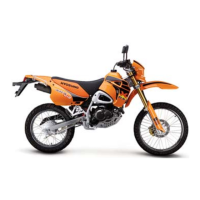
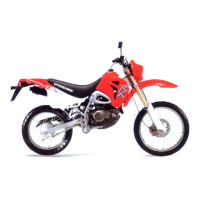
HYOSUNG RX 125 - User Manual

HYOSUNG RX 125
175 pages
Print Icon
To Next Page IconTo Next Page
Loading...
SERVICE MANUAL
99000-97100
SERVICE MANUAL
HYOSUNG MOTORS & MACHINERY INC.
RX 125
RX 125

Table of Contents

Other manuals for HYOSUNG RX 125

Questions and Answers

  • D
    Donna OlsonJul 31, 2025
    How to fix poor braking on my HYOSUNG Motorcycle?
    • R
      Richard ThompsonJul 31, 2025
      If your HYOSUNG Motorcycle's front and rear brakes are not performing well, several factors could be the cause. It might be due to not enough brake fluid in the reservoir, in which case you should refill it to the level mark. Another reason could be air trapped in the brake fluid circuit, requiring you to bleed the air out. The brake pads or shoes might be worn down and need replacement. Finally, there might be too much play on the brake lever or pedal, which needs adjustment.
  • T
    Timothy JonesAug 6, 2025
    What to do if my HYOSUNG Motorcycle has insufficient brake power?
    • F
      fordmarieAug 7, 2025
      If your HYOSUNG Motorcycle lacks sufficient brake power, several potential issues could be responsible. Check for brake fluid leakage from the hydraulic system, which would require repair or replacement. Worn pads, worn disk or oil adhesion on the engaging surface of pads can also cause this problem, so consider replacing the pads or disk, or cleaning the disk and pads. Additionally, air in the hydraulic system can reduce braking power, so bleed the air out.
  • A
    Annette TaylorAug 12, 2025
    Why are the brakes on my HYOSUNG RX 125 squeaking?
    • T
      Tiffany ParkAug 13, 2025
      Brake squeaking on your HYOSUNG Motorcycle can be caused by several factors. These include carbon adhesion on the pad surface, which can be repaired with sandpaper, or a tilted pad, requiring modification of the pad fitting. Other potential causes are a damaged wheel bearing (requiring replacement), loose front or rear wheel axles (needing tightening to the specified torque), worn pads (which should be replaced), foreign material in the brake fluid (necessitating a brake fluid replacement), or a clogged return port of the master cylinder (requiring disassembly and cleaning of the master cylinder).
  • J
    james98Aug 19, 2025
    What causes excessive brake lever stroke on a HYOSUNG RX 125 Motorcycle?
    • K
      kmartinAug 19, 2025
      Excessive brake lever stroke on your HYOSUNG Motorcycle can stem from a few issues. Air in the hydraulic system is a common cause, and bleeding the air out may resolve it. Other potential causes include a worn brake lever cam, which would require replacing the brake lever, insufficient brake fluid, requiring you to replenish the fluid to the specified level and bleed air, or using improper quality of brake fluid, so replace it with the correct fluid.
  • B
    Barbara PotterAug 25, 2025
    How to stop brake fluid leakage on my HYOSUNG RX 125 Motorcycle?
    • H
      Heather EverettAug 26, 2025
      If you notice brake fluid leaking from your HYOSUNG Motorcycle, the issue might be due to insufficient tightening of connection joints, which should be tightened to the specified torque. Alternatively, the hose could be cracked, necessitating replacement. Another possibility is worn piston and/or cup, in which case you should replace the piston and/or cup.

Summary

General Information

General Information, Warnings, and Precautions

Details on warnings, cautions, notes, and general safety precautions for vehicle servicing.

Serial Number Location and Fluid Recommendations

Information on vehicle identification numbers and recommended fuels and oils.

Break-in Procedures and Specifications

Specifications for brake fluid, front fork oil, and guidelines for engine break-in.

Vehicle Specifications

Detailed specifications for dimensions, engine, transmission, and chassis components.

Periodic Maintenance

Periodic Maintenance Schedule and Chart

Recommended intervals and procedures for regular maintenance of engine and chassis.

Lubrication Chart

Schedule for lubricating various parts of the motorcycle.

Maintenance Procedures: Battery and Fasteners

Steps for inspecting and servicing the battery and tightening cylinder head nuts.

Air Cleaner Element and Fastener Tightening

Procedures for cleaning the air cleaner element and tightening specific nuts and bolts.

Valve Clearance Inspection and Adjustment

Procedure for checking and adjusting valve clearance.

Compression Pressure and Spark Plug Service

Instructions for checking engine compression and servicing the spark plug.

Fuel Line and Engine Oil Maintenance

Inspection of fuel lines and procedures for changing engine oil.

Carburetor, Throttle, and Clutch Adjustments

Adjusting carburetor idle speed, throttle cable play, and clutch.

Front Brake System Service

Procedures for checking front brake fluid level, pads, and light switch.

Brake Fluid Circuit Air Bleeding

Procedure for bleeding air from the hydraulic brake fluid circuit.

Rear Brake, Tire Wear, and Pressure

Inspection of rear brake lining, tire wear, and tire pressure.

Steering System and Front Fork Oil

Adjusting steering stem bearings and changing front fork oil.

Engine

Engine Compression and Oil Pressure Testing

Procedures for measuring engine compression and oil pressure.

Engine Removal Procedures

Step-by-step guide for removing the engine from the motorcycle frame.

Upper End Components Reassembly

Instructions for installing oil rings, top rings, and second rings onto the piston.

Camshaft Installation

Procedure for aligning and installing the camshaft and related components.

Left Engine Disassembly

Steps for removing the magneto rotor and key from the left side of the engine.

Right Engine Disassembly: Sprocket and Clutch

Procedures for removing the engine sprocket and disassembling the clutch.

Low End Components Disassembly: Crank Case

Procedure for removing the crankcase securing bolts and separating the crankcase.

Transmission Component Removal

Steps for removing the gear shifting cam stopper spring and transmission components.

Lower End Components Inspection

Inspection of connecting rod deflection and big end side clearance.

Crankshaft Runout and Clutch Drive Plate

Checking crankshaft runout and measuring clutch drive plate thickness and width.

Fuel System

Fuel Cock Cleaning and Disassembly

Procedure for cleaning and disassembling the fuel cock assembly.

Carburetor Specifications

Detailed specifications for the PD 18 F carburetor type.

Throttle Valve Disassembly

Steps for disconnecting and removing the throttle valve from the carburetor.

Carburetor Disassembly

Procedure for removing the carburetor from the motorcycle.

Accelerator Pump Disassembly

Steps for disconnecting and disassembling the accelerator pump.

Float and Needle Valve Inspection

Procedure for removing and inspecting the float and needle valve.

Carburetor Jet Servicing

Instructions for disconnecting, cleaning, and installing carburetor jets.

Float and Accelerator Pump Adjustments

Adjusting float height and accelerator pump rod clearance.

Pilot Screw Adjustment

Procedure for adjusting the pilot screw for proper engine idling.

Electrical System

Ignition System Overview

Explanation of the battery discharged ignition system components and operation.

Magneto and CDI Unit Inspection

Procedures for checking resistance of magneto coils and CDI unit.

Ignition Coil Inspection (Electro Tester)

Testing ignition coil sparking performance using an electro tester.

Ignition Coil and Spark Plug Checks

Checking ignition coil resistance with a pocket tester and servicing the spark plug.

Charging System Overview

Explanation of the charging system circuit: AC generator, regulator/rectifier, and battery.

Charging Output and AC Generator Performance

Checking charging output voltage and AC generator no-load performance.

Regulator;Rectifier Resistance Check

Measuring resistance of the regulator/rectifier unit.

Starter Motor Removal and Disassembly

Steps for removing and disassembling the starter motor.

Starter Motor Inspection: Brushes, Commutator, and Armature

Inspecting starter motor brushes, commutator, and armature coil for wear and damage.

Battery Treatment and Maintenance Precautions

Precautions for handling, electrolyte treatment, and maintenance of the battery.

Chassis

Front Wheel Removal

Steps for removing the front wheel, including supporting the motorcycle.

Front Wheel Disassembly and Bearing Inspection

Disassembling the front wheel and inspecting wheel bearings for play and condition.

Axle Shaft, Wheel Rim, Tire, and Bearing Reassembly

Checking axle shaft runout, wheel rim runout, tire wear, and reassembling wheel bearings.

Front Brake System Overview

Exploded view of the front brake caliper and master cylinder components.

Brake Pad Replacement Procedure

Steps for removing and replacing front brake pads.

Brake Caliper Removal and Disassembly

Procedure for removing and disassembling the front brake caliper.

Caliper and Master Cylinder Service

Reassembling caliper, tightening torque, and removing/disassembling master cylinder.

Front Fork Removal and Disassembly

Steps for removing and disassembling the front fork.

Fork Inspection and Damper Rod Bolt Assembly

Inspecting damper rod ring, tubes, fork spring, and assembling damper rod bolt.

Rear Wheel and Brake Removal

Steps for removing the rear wheel, including supporting the motorcycle.

Rear Brake and Wheel Bearing Inspection

Servicing brake shoes and inspecting rear wheel bearings for play.

Rear Shock Absorber Spring Pre-load Adjustment

Procedure for adjusting the spring pre-load on the rear shock absorber.

Rear Swing Arm Removal and Disassembly

Steps for removing the rear swing arm assembly.

Servicing Information

Engine Troubleshooting Guide

Common engine complaints, possible causes, and recommended remedies.

Carburetor Troubleshooting

Troubleshooting common carburetor issues like starting, idling, and fuel level fluctuations.

Electrical System Troubleshooting

Troubleshooting common electrical complaints like no spark, fouled plugs, and charging issues.

Battery Troubleshooting Guide

Diagnosing battery issues such as sulfation, rapid discharge, and reversed polarity.

Chassis Troubleshooting Guide

Troubleshooting chassis issues like stiff steering, wheel wobble, and suspension problems.

Brake System Troubleshooting

Diagnosing and resolving common brake problems like poor braking and squeaking.

Special Tools Listing

List of special tools with part numbers for motorcycle servicing.

Engine Tightening Torque Specifications

Table of specified torque values for various engine bolts and nuts.

Chassis Tightening Torque Specifications

Table of specified torque values for various chassis bolts and nuts.

Valve and Guide Service Data

Standard and limit measurements for valve and guide components.

Camshaft, Cylinder Head, Piston, and Ring Specifications

Service data for camshaft, cylinder head, piston, and piston rings.

Conrod, Crankshaft, Oil Pump, and Clutch Specifications

Service data for conrod, crankshaft, oil pump, and clutch components.

Transmission and Drive Chain Specifications

Standard and limit measurements for transmission gears and drive chain.

Carburetor and Fuel;Oil Specifications

Specifications for carburetor settings and fuel/oil types and capacities.

Brake, Wheel, and Tire Specifications

Specifications for brakes, wheels, tires, and tire pressure.

Suspension, Electrical, and Wattage Specifications

Specifications for suspension, electrical components, and bulb wattages.

Wiring Harness and Cable Routing

Diagrams showing the routing of wires and cables on the motorcycle.

Motorcycle Wiring Diagram

Complete wiring diagram of the motorcycle, including wire color codes.

HYOSUNG RX 125 Specifications

General IconGeneral
Fuel SystemCarburetor
Front SuspensionTelescopic fork
Rear BrakeDrum
Displacement124 cc
Transmission5-speed
Front BrakeDisc
Engine TypeSingle-cylinder, 4-stroke

Related product manuals