EasyManua.ls Logo

Idex GAST AM Series - User Manual

Idex GAST AM Series
8 pages
Print Icon
To Next Page IconTo Next Page
Loading...
® Registered Trademark/™ Trademark of Gast Manufacturing Inc. ©Copyright 2019 Gast Manufacturing Inc. All Rights Reserved.
www
.gastmfg.com
ISO 9001 CERTIFIED
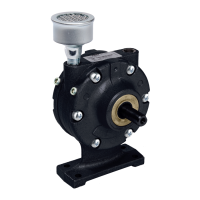
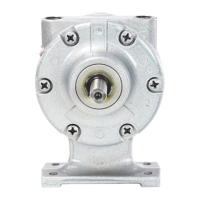
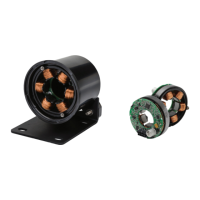
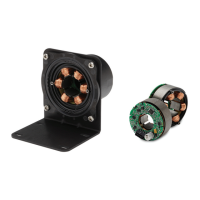
Model 2AM Shown Model 4AM Shown Model 6AM Shown Model 16AM Shown
AM SERIES AIR MOTORS
Operation and Maintenance Manual
Part No. 45-200 D170 (Rev. T)
Thank you for purchasing this Gast product. It is manufactured to the highest standards
using quality materials. This manual includes general safety instructions for operation under normal conditions
and for operation in hazardous conditions. Please follow all recommended maintenance, operational and safety
instructions and you will receive years of trouble-free service.
WARNING
PLEASE READ THIS MANUAL COMPLETELY BEFORE INSTALLING AND USING
THIS PRODUCT. SAVE THIS MANUAL FOR FUTURE REFERENCE AND
KEEP IN THE VICINITY OF THE PRODUCT.
General Information:
Operating Pressure Limits
Lubricated Models Pressure
1AM 100 psi / 7 bar
1UP 80 psi / 5.6 bar
2AM 100 psi / 7 bar
4AM 100 psi / 7 bar
6AM 100 psi / 7 bar
8AM 100 psi / 7 bar
16AM 100 psi / 7 bar
LL and NLP Models Pressure
1AM 80 psi / 5.5 bar
1UP 65 psi / 4.9 bar
2AM 80 psi / 5.5 bar
4AM 80 psi / 5.5 bar
6AM 80 psi / 5.5 bar
8AM 80 psi / 5.5 bar
16AM 80 psi / 5.5 bar
Product Use Criteria:
Non-hazardous conditions: Operate at ambient temperatures up
to 250ºF (121ºC).
Hazardous conditions: Operate at ambient temperatures up to
104ºF (40ºC).
Protect unit from dirt and moisture.
Use ONLY compressed air to drive motor.
Air lines connected to motor should be the same size or the next
size larger than the inlet port for efcient output and speed con-
trol.
Protect all surrounding items from exhaust air.
Bearings are grease packed.
Use Gast #AD220 or a detergent SAE#10 automotive engine oil
for lubricating.
Motors are to be used in commercial installations only.
This symbol appears on labels of air motors that
are designed for use in hazardous atmospheres. These
air motors comply with the applicable standards and
specifications and meet the requirements of the guidelines
of the Directive 2014/34/EU. They are intended to be used
in zones 1 and 2 where explosive atmospheres are likely to
occur.
Air supply, directional control valve and pressure regulator should
be selected based upon the air consumption of the motor.
Question and Answer IconNeed help?

Do you have a question about the Idex GAST AM Series and is the answer not in the manual?

Summary

General Information

Operating Pressure Limits

Lists operating pressure limits for lubricated and LL/NLP models.

Product Use Criteria

Non-hazardous conditions

Ambient temperature limits for non-hazardous operation up to 250°F (121°C).

Hazardous conditions

Ambient temperature limits for hazardous operation up to 104°F (40°C).

Operational Guidelines

Covers protection, air supply, line size, exhaust, and bearing lubrication.

Safety Symbols and Warnings

Code Symbols Explained

Explanation of symbols for hazard, hazardous situation, and dangerous situation.

Explosion Protection Symbol

Indicates important instructions on protection against explosion.

Hazardous Area Installation Checklist

Motor ATEX Compliance Check

Verify zone, category, group, temp class, and surface temp on motor label.

Site and Ambient Conditions

Check site environment for explosives, ventilation, and ambient temperature.

Installation Safety Precautions

Injury Hazard Warning

Warning about injury hazards from rotating parts and air stream during installation.

Installation Best Practices

Ensure proper guards, wear eye protection, and follow all instructions.

Mounting

Mounting Requirements

Mount to stable base plate, use shock mounts, and install pressure regulator/shut-off valve.

Connection

Air Motor System Connections

Diagram and guidelines for connecting air lines, filter, regulator, and muffler.

Single Rotation Motor Operation

Proper airflow direction and sound absorber for single rotation motors.

Lubricated Operation Setup

Install lubricator, use correct oil, and set feed rate for optimal performance.

Air Line Sizing and Connection

Use proper fasteners and line size for efficient output and speed control.

Reversible Motor Connections

Connect 4-way valve for reversing, use sound absorber on exhaust.

OPERATION

Injury Hazard Warning

Warning about injury from product air stream and high sound levels.

Operational Safety and Best Practices

Check connections, avoid no-load high speeds, use pressure regulator, and set lubricator.

Surface Temperature Monitoring

Maximum Temperature Limits

Monitor motor surface temperature during operation, do not exceed 275°F/135°C.

MAINTENANCE

Injury Hazard Warning

Warning about injury hazards from air stream during flushing and maintenance.

Flushing Procedure

Steps for flushing the motor with approved solvent to remove contaminants.

Sound Absorber Cleaning

Instructions for cleaning muffler and felt filter, with lubrication for lubricated models.

Lubrication Procedures

Details for lubricated operation, manual, and automatic lubrication methods.

Shutdown Procedures

Steps for safely shutting down the motor and preparing for storage.

Disposal Guidelines

Information on recycling motor parts as scrap metal according to regulations.

Estimated Ball Bearing Life

Ball Bearing Life Table

Table showing estimated L10 bearing life for different air motor models.

SPUR AND WORM REDUCERS - OPERATING AND MAINTENANCE INSTRUCTIONS

General Reducer Information

Information on nameplates, lubricant types, and general maintenance for reducers.

Product Use Criteria for Reducers

Guidelines for mounting, self-locking, and shipping plugs for worm gear reducers.

Spur Gear Reducer Specifications

Details on speed range, gear reduction, end thrust, and overhung load for spur gear reducers.

Spur Gear Reducer Lubrication

Lubrication requirements and procedures for spur gear reducers based on orientation.

Worm Gear Reducer Specifications

Worm Gear Reducer Models and Ratios

Table listing worm gear reducer models, corresponding air motors, and ratios.

Output Shaft Direction Change

Procedure for Worm Gear Reducers

Step-by-step instructions for changing the output shaft direction of worm gear reducers.

TROUBLESHOOTING GUIDE

Common Problems and Remedies

Table listing common issues like low torque, low speed, and remedies.

WARRANTY

Warranty Terms and Conditions

Details Gast's 12-month warranty, exclusions, and limitations of liability.

Customer Responsibilities

Outlines customer's role in determining product suitability and warranty modifications.

Contact Information

Gast Sales and Repair Offices

Contact details for Gast Manufacturing, Gast Group Limited, and Gast Group Ltd.

Overview

This document is an Operation and Maintenance Manual for AM Series Air Motors, identified by Part No. 45-200 D170 (Rev. T). It provides comprehensive instructions for the safe and efficient use, installation, and maintenance of these industrial air motors, which are designed for various applications, including those in hazardous atmospheres.

Function Description

AM Series Air Motors are robust industrial devices powered by compressed air, converting pneumatic energy into mechanical rotational motion. They are designed for continuous operation and are suitable for a wide range of applications requiring reliable power output. The motors are available in several models, including 1AM, 1UP, 2AM, 4AM, 6AM, 8AM, and 16AM, each offering different performance characteristics. These motors can be used in both non-hazardous and hazardous environments, with specific models complying with Directive 2014/34/EU for use in zones 1 and 2 where explosive atmospheres are likely to occur.

The core function of these air motors involves the expansion of compressed air within the motor's internal mechanism, which drives a rotor to produce torque and rotational speed. This mechanical output can then be used to power various machinery and equipment. The manual emphasizes that only compressed air should be used to drive the motor, and specific lubrication requirements are outlined for optimal performance and longevity.

The motors can be integrated with spur and worm gear reducers to modify output speed and torque, expanding their versatility for applications requiring different mechanical characteristics. The manual provides detailed information on selecting and installing these reducers, ensuring proper alignment and lubrication for efficient power transmission.

Usage Features

The AM Series Air Motors are designed for versatile usage, with features that enhance their adaptability and control:

  • Orientation Flexibility: The motors can be installed in any orientation, allowing for greater flexibility in system design and integration.
  • Speed and Torque Control: Motor speed and torque can be regulated using a pressure regulator and/or a simple shut-off valve in the air supply line. This allows users to precisely match the motor's output to the application's requirements, conserving air and preventing damage.
  • Lubrication Options: The motors support both lubricated and non-lubricated operation, depending on the model. For optimal service and life, lubrication is recommended, with specific instructions for installing automatic air line lubricators and selecting appropriate lubricants (e.g., Gast #AD220 or SAE 10W automotive engine oil, or FDA-approved food-grade lubricant for specific applications).
  • Reversible Operation: Some models are designed for reversible operation, allowing the motor to rotate in both directions. This feature requires a 4-way valve with piping to both air ports for effective control.
  • Hazardous Atmosphere Compatibility: Specific models are engineered for hazardous atmospheres, complying with ATEX directives. These motors are marked with an "Ex" symbol and are suitable for use in environments where explosive gases or dusts may be present. The manual provides a detailed checklist for installation in such areas, ensuring compliance with safety standards.
  • Accessory Integration: The motors are designed to integrate with various accessories, including mufflers (shipped with most models), moisture traps, and 5-micron filters, to enhance performance, reduce noise, and protect the motor from contaminants.
  • Mounting Recommendations: The manual advises mounting the motor to a solid metal base plate, which should be stable and rigid, and suggests using shock mounts to reduce noise and vibration.

Maintenance Features

Effective maintenance is crucial for the longevity and reliable operation of AM Series Air Motors, and the manual provides comprehensive guidelines:

  • Regular Inspection: Users are instructed to regularly inspect the motor and its accessories, including relief valves and gauges, for damage or wear.
  • Lubrication Management: For lubricated models, daily checks of the oil level in the lubricator are recommended. The lubricator should be adjusted to feed a specific number of oil drops per CFM of air or per continuous minute of run time. Overfeeding oil should be avoided to prevent exhaust air contamination.
  • Flushing Procedure: A detailed flushing procedure is provided to remove dirt, foreign particles, moisture, or oil buildup that can impair performance. This involves disconnecting air lines, adding a specific flushing solvent (Gast #AH255B), rotating the shaft, and restarting the motor at low pressure until no solvent trace remains.
  • Filter Maintenance: Air line filters should be checked after initial operating hours and then periodically to ensure they are clean and effective in preventing contaminants from reaching the motor.
  • Sound Absorber Cleaning: Instructions are given for cleaning the sound absorber (muffler), which is important for maintaining noise reduction and preventing clogging, especially in non-lubricated operations.
  • Shutdown Procedures: Proper shutdown procedures are outlined to prevent product damage, including turning off the air supply, disconnecting air lines, removing the muffler, cleaning the inlet port, adding oil for lubricated operations, and plugging/capping ports for storage.
  • Storage Recommendations: When not in use, motors should be stored in a dry environment, with output shafts coated in oil or grease to prevent corrosion.
  • Troubleshooting Guide: A troubleshooting guide is included to help identify and resolve common issues such as low torque, low speed, motor not running, running hot, or slowing down after initial operation. This guide links symptoms to potential causes and remedies, such as inspecting for dirt, checking air pressure, or servicing the motor.
  • Service Kits: The manual indicates that if troubleshooting steps do not resolve performance issues, installing a service kit may be required, suggesting that internal components are replaceable.
  • Disposal Guidelines: Information on proper disposal of motor parts is provided, noting that components like shafts, castings, gear wheels, and bearings can often be recycled as scrap metal, aligning with environmental regulations.

Idex GAST AM Series Specifications

General IconGeneral
SeriesAM Series
ConstructionCast Iron
BearingsBall bearings
CoolingAir-cooled
DriveDirect drive
Inlet/OutletNPT threads

Related product manuals