9
Pairing the Transmitter and Receiver
The process of allowing communication to occur between a 2.4GHz
transmitter and receiver is called “pairing” (sometimes referred to as
“matching” or “binding”). The radio system comes pre-congured and
paired from the factory. In the event your system loses pairing, or one of
the components has been replaced, you will need to pair the transmitter
and receiver. Follow the below steps for pairing your radio system. Always
ensure both transmitter and receiver batteries are fully charged or new when
performing this process for best results.
WARNING: AS A SAFETY PRECAUTION, PERFORM THE PAIRING PROCESS WITH ALL
PARTS OF YOUR VEHICLE OFF THE GROUND.
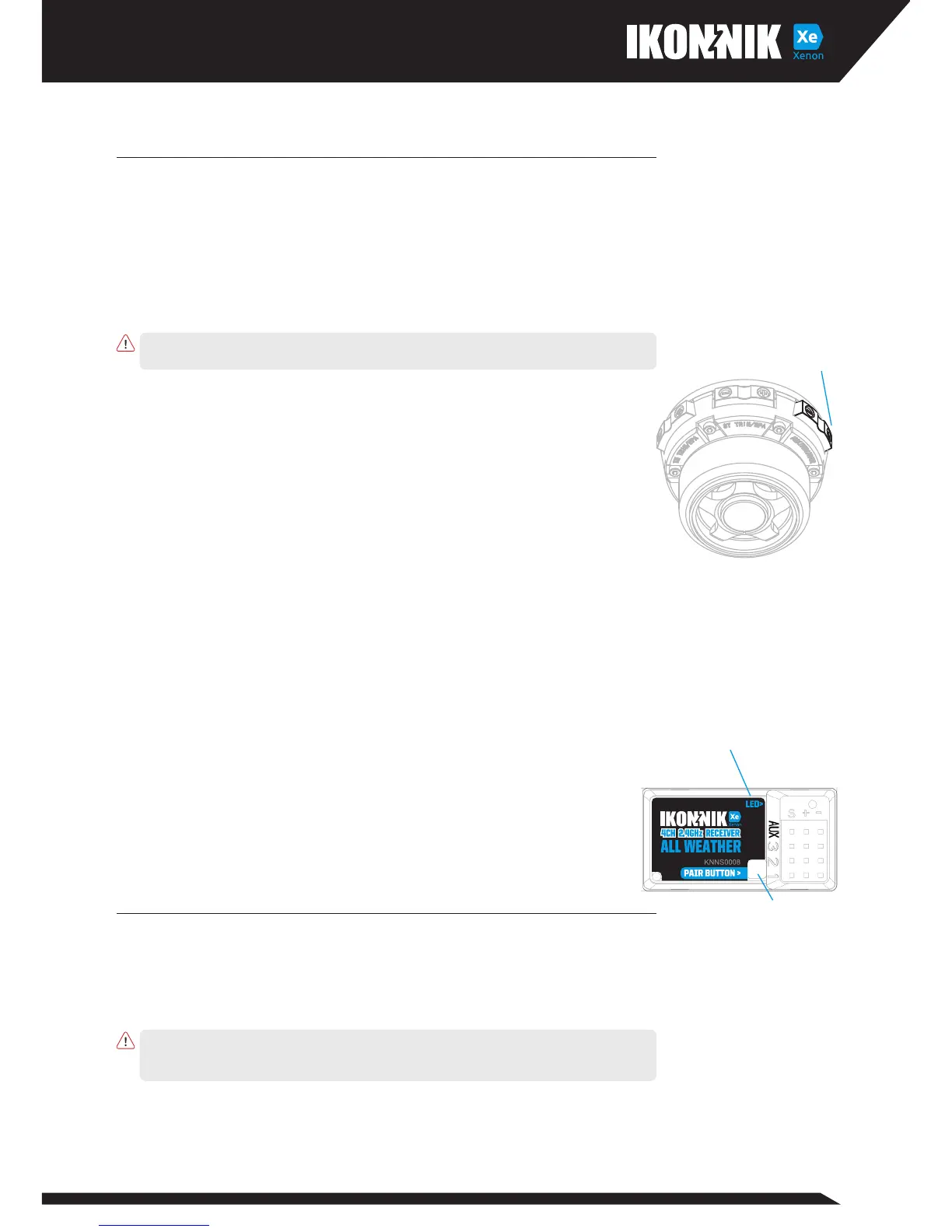
1. With the transmitter in close proximity but not closer than 1ft to the
receiver, turn ON the transmitter rst, then the vehicle. The LED on
the receiver will blink, indicating that the receiver is not paired to a
transmitter that is on.
2. Ensure you are using the correct or desired model for your vehicle,
re-check then continue if necessary.
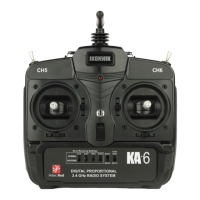
3. Turn the transmitter OFF, hold the REV/Pair button and turn the power
back ON to put the transmitter into pairing mode.
4. Push the button on the receiver once, the LED will start to blink faster
indicating it is searching for a transmitter to pair with. This may take up to
10 seconds.
5. Once the transmitter and receiver are paired, the receiver’s LED will turn
solid red. If the receiver’s LED does not turn solid red, turn off both the
transmitter and receiver and repeat steps 3-4.
6. Once pairing is complete, ensure normal operation of throttle and
steering before placing the vehicle back on the ground.
7. When using the transmitter with multiple vehicles, it may be necessary to
reverse Channel 1 (Steering) to have proper steering operation.
8. If you experience anything other than normal operation, repeat the
process or consult the troubleshooting guide.
Channel Reverse (REV)
The channel reverse function sets the direction of operation for the servo
or ESC relative to the transmitter steering and throttle inputs. This function
would be used to correct, for example, if turning the transmitter steering
wheel right resulted in the model turning left and vice versa. Some ESCs
require channel 2 be reversed in order to program them properly.
WARNING: AS A SAFETY PRECAUTION, PERFORM THE CHANNEL REVERSE
ADJUSTMENTS WITH THE MOTOR UNPLUGGED FROM THE ESC AND WITH ALL
PARTS OF YOUR VEHICLE OFF THE GROUND.
REV/Pair
button
Receiver LED
Pair button



 To Next Page