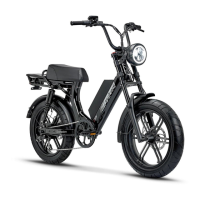
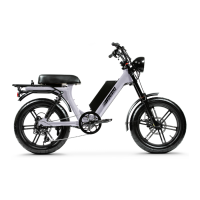
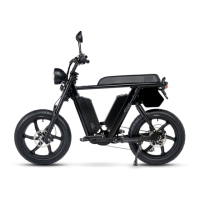
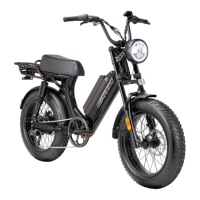
The device described in this manual is an e-bike, specifically the 2021 CampScrambler and CityScrambler models. An e-bike is an electric bicycle that combines traditional pedal power with an electric motor to provide assistance, offering a boost when desired. It is designed for both pedal power and battery pack power to be used simultaneously.
Function Description
The e-bike's core function is to provide an enhanced cycling experience through electric assistance. This assistance is managed by several key electronic modules:
- Electric Motor: Built into the hub of the rear wheel, it propels the bike forward when power is supplied.
- Battery Pack: This rechargeable lithium battery stores electrical energy, similar to a mobile phone battery, and powers the motor.
- Controller: Located under the seat, the controller regulates the amount of power sent from the battery pack to the motor based on rider input.
- Throttle: Situated on the right handlebar, the throttle allows the rider to control the bike's speed and ride without pedaling by sending a signal to the controller.
- Pedal Assist Control System (Pedelec): This system uses cadence sensors to measure pedaling input, which the controller then uses to generate the necessary power. It helps maintain a constant level of pedal assist.
- Brakes: The e-bike is equipped with front and rear disc brakes, controlled by levers on the handlebars. An electrical switch in the brakes cuts power to the motor when applied, preventing unintentional acceleration during braking.
- Gear Shifter: Located on the left handlebar, the gear shifter changes the ratio between the pedals and the rear wheel, allowing riders to find a comfortable pedaling cadence for various riding conditions (e.g., low gear for starts/uphills, higher gears for faster riding). The gear shifting system and pedal assist control system operate independently.
- LCD Display: This display acts as the e-bike's dashboard, showing the battery pack's voltage (an estimate of charge state) and other functions. It also provides an "advanced mode" with additional information.
Usage Features
The e-bike offers several features to enhance the riding experience:
- Initial Ride: Users can ride the e-bike like a normal bicycle with the power on or off. Pedal assist and throttle activate only when the power is on. It's recommended to start with pedal assist off to get familiar with braking and gear shifting, then gradually test assist levels.
- Turning On/Off: The e-bike is turned on by pressing the battery power button and then holding the LCD power button for 3 seconds. It turns off by holding the LCD power button for 3 seconds. An automatic shutoff feature conserves power after a preset period of inactivity.
- Adjusting Assist Levels: Riders can increase or decrease pedal assist levels using "+" or "-" buttons on the LCD display, cycling through modes like ECO, 1, 2, 3, and SPORT. The default setting is assist level 1.
- Throttle Operation: The throttle can be used independently or in conjunction with pedal assist to control speed.
- Headlight and Display Backlight: The LED headlight and display backlight can be turned on or off by holding the "assist up" button for 2 seconds.
- Walk Mode: This feature assists in pushing the bike uphill. By holding the "assist down" button for 2 seconds, the motor turns at walking speed. Releasing the button or using the brakes stops walk mode.
- Cruise Control Function: To maintain a desired speed without continuous throttle or pedal input, riders can use cruise control. After reaching the desired speed with throttle or pedal assist, holding the "assist down" button for 2 seconds activates it. Using brakes, throttle, or assist buttons discontinues cruise control. The maximum controllable speed in cruise mode is 20 mph.
- Advanced Display Screen: The LCD display offers an advanced mode showing real-time data such as voltage, power (watts), amps, assist level, speed, watt-hours, amp-hours, controller temperature, and trip distance. This mode is accessed by pressing the power button and "assist up" button simultaneously for 1 second.
- Resetting Trip Counter: The trip distance, amp-hours, and watt-hours can be reset to zero by holding both the power button and "assist down" button for 3 seconds.
- Setup Menu: Riders can adjust parameters like unit (mph/kmh), speed limit, backlight brightness, wheel size, "power off" delay, NDW (pedal assist level limiter), torque sensor activation, and low voltage settings to customize e-bike behavior.
Maintenance Features
The manual emphasizes preventive maintenance and care for proper performance:
- Pre-Ride Safety Check: Before each ride, users should check that hardware is fastened, tires are inflated, brakes operate, handlebars are secured, and the front wheel is locked. The battery pack must be charged and properly installed, and lights must work.
- Brake Bedding-In: New brakes require a "bedding-in" period (40-50 full stops) to reach full grip capacity. Brake levers should be adjusted after this period.
- Battery Charging: The battery pack should be fully charged before first use and after every ride, even if lightly used, to maximize battery life. The charger automatically stops charging when full. Charging can be done with the battery connected to or removed from the e-bike.
- Battery Handling: Users are warned against short-circuiting terminals, charging above 140°F (60°C), disassembling, submerging in liquid, exposing to fire/heat or freezing temperatures, or using non-approved chargers.
- Hydraulic Brakes Maintenance: Hydraulic brake components require inspection for wear and tear. Replacement is needed if worn. Trained mechanics should service mineral oil cups on the handlebars.
- Troubleshooting: The manual includes a troubleshooting section with common symptoms (e.g., throttle/pedal assist not working, reduced speed, reduced battery range, battery not charging, strange noises), possible causes, and solutions. Error codes displayed on the LCD are also explained.
- Warranty: Juiced Bikes offers a limited warranty against manufacturing defects. Battery packs are covered for 1 year, other electronic components for 1 year, bicycle frames for 1 year, and mechanical components for 1 year. The warranty requires product registration within 60 days of purchase and specific procedures for claims, including providing photos or videos of damaged parts. It excludes damage from improper use, maintenance, alterations, accidents, and normal wear and tear.

 Need help?
 General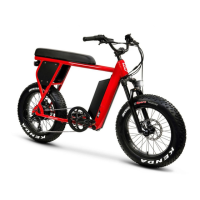

 To Next Page