EasyManua.ls Logo

Kubota GL6000 - User Manual

Kubota GL6000
154 pages
Print Icon
To Next Page IconTo Next Page
Loading...
WORKSHOP MANUAL
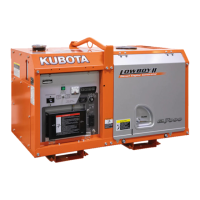
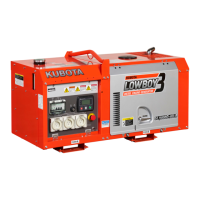
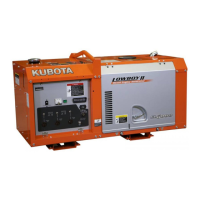
DIESEL GENERATOR
GL6000,GL7000,
GL9000,GL11000
KiSC issued 05, 2015 A

Table of Contents

Questions and Answers

  • D
    Donald ClaytonAug 20, 2025
    Why is my Kubota Portable Generator emitting black exhaust?
    • V
      Victoria CampbellAug 20, 2025
      If your Kubota Portable Generator is emitting black or dark gray exhaust gas, it could be due to several reasons. The generator might be overloaded, so reduce the load. Using low-grade or unsuitable fuel can also cause this issue, so switch to the specified fuel. A clogged fuel filter or air cleaner could be the culprit; replace or clean them, respectively. Finally, deficient nozzle injection can lead to this problem, requiring you to repair or replace the nozzle.
  • B
    Bryce HernandezAug 23, 2025
    How to fix a Kubota Portable Generator with unsmooth engine revolution?
    • A
      Alan LewisAug 23, 2025
      If your Kubota Portable Generator's engine revolution isn't smooth, several factors could be responsible. A clogged or dirty fuel filter is a common cause, so replace it. Similarly, a clogged air cleaner can lead to this issue; clean or replace it. A fuel leak due to a loose injection pipe retaining nut can also cause this, so tighten the nut. Other potential causes include a malfunctioning injection pump or governor, incorrect nozzle injection pressure, or a stuck/clogged injection nozzle, all of which may require repair or replacement.
  • K
    Krista MendezAug 26, 2025
    What to do if my Kubota Portable Generator engine overheated?
    • K
      Kristopher HudsonAug 26, 2025
      If your Kubota Portable Generator is overheating, several issues could be the cause. Check if the engine oil or coolant levels are insufficient and fill them as needed. A broken or improperly tensioned fan belt can also lead to overheating, so replace or adjust it. The radiator net and fins might be clogged with dust, requiring cleaning. Corrosion inside the radiator or coolant flow route, a defective radiator cap, or a damaged radiator hose can also cause overheating, necessitating cleaning or replacement. Overload running should be avoided by reducing the load. Other potential causes include a defective head gasket, incorrect injection timing (adjust it), or using unsuitable fuel (use specified fuel).
  • A
    anthony44Aug 28, 2025
    Why does my Kubota Portable Generator emit white or blue exhaust gas?
    • I
      Isaiah BrownAug 28, 2025
      If your Kubota Portable Generator is producing white or blue exhaust gas, several factors could be the cause. Excessive engine oil is a common reason, so reduce it to the specified level. Worn or stuck piston rings and cylinders can also lead to this issue, requiring repair or replacement. Incorrect injection timing may be the culprit, so adjust it. Deficient compression can also contribute, so adjust the top clearance.
  • K
    Kimberly GomezAug 30, 2025
    What causes deficient output in a Kubota Portable Generator?
    • C
      Crystal CastilloAug 30, 2025
      If your Kubota Portable Generator has deficient output, several issues could be responsible. Incorrect injection timing is a possible cause, so adjust it. The engine’s moving parts might be seizing, necessitating repair or replacement. Uneven fuel injection can also lead to this problem, so replace the injection pump. Other potential causes include deficient nozzle injection (repair or replace the nozzle) and compression leaks (replace the head gasket and tighten the cylinder head screw, glow plug, and nozzle holder).
  • T
    Timothy StevensonSep 4, 2025
    What to do if the starter of my Kubota Portable Generator does not run?
    • D
      Dr. Amanda Harrison MDSep 4, 2025
      If the starter of your Kubota Portable Generator does not run, it could be due to a discharged battery, which needs to be charged. Alternatively, the starter itself might be malfunctioning, requiring repair or replacement. A disconnected wiring could also be the cause; ensure that it is properly connected.
  • C
    Christopher LewisSep 7, 2025
    Why is fuel mixing into the lubricant oil in my Kubota Portable Generator?
    • K
      knightmarkSep 7, 2025
      If you notice fuel mixed into the lubricant oil of your Kubota Portable Generator, it could be due to a worn injection pump plunger, requiring replacement of the injection pump. Deficient nozzle injection can also cause this issue, so repair or replace the nozzle. In some cases, the injection pump might be broken and need replacement.
  • A
    Aaron CameronSep 9, 2025
    What causes high oil pressure in a Kubota Portable Generator?
    • L
      Lindsay McclureSep 9, 2025
      If you observe high oil pressure in your Kubota Portable Generator, it could be due to using a different type of oil than specified, so switch to the correct type. Alternatively, the relief valve might be defective and needs replacement.
  • D
    debrabatesSep 12, 2025
    What causes excessive lubricant oil consumption in my Kubota Portable Generator?
    • S
      Scott KellerSep 12, 2025
      If you notice excessive lubricant oil consumption in your Kubota Portable Generator, it could be due to several reasons. The piston ring gaps might be facing the same direction, so shift the ring gap direction. An oil ring could be worn or stuck, necessitating replacement. A worn piston ring groove might require replacing the piston. Worn valve stems and valve guides should be replaced. Oil leaks due to defective seals or packing should be addressed by replacing the faulty components.
  • K
    karenmcculloughSep 14, 2025
    Why is water mixing into the lubricant oil in my Kubota Portable Generator?
    • L
      Laurie MaySep 14, 2025
      If water has mixed into the lubricant oil of your Kubota Portable Generator, it could be due to a defective head gasket, which needs replacement. Another possibility is a flawed cylinder block or cylinder head, also requiring replacement.

Summary

To the Reader

General

Information on general precautions, check and maintenance, and special tools.

Mechanism

Information on construction and function of the generator.

Servicing

Troubleshooting, servicing specifications, checking, adjusting, and assembly.

Record of Revisions

Safety Instructions

Safety First

Warning symbol explanation and essential safety reading instructions.

Before Servicing and Repairing

Pre-service checks including reading instructions, cleaning, and cooling.

Safety Starting

Precautions for starting the engine safely, avoiding modifications.

Safety Working

Guidelines for safe operation while working on the generator.

Avoid Fires

Precautions to prevent fires, related to fuel and battery.

Ventilate Work Area

Importance of ventilation to avoid carbon monoxide poisoning.

Dispose of Fluids Properly

Guidelines for environmentally safe disposal of fluids.

Prevent Acid Burns

Precautions against battery acid burns and immediate actions.

Prepare for Emergencies

Recommendations for having emergency equipment and numbers ready.

Safety Decals

Specifications

Generator Specifications

Specifications for the generator component.

Engine Specifications

Specifications for the engine component.

Dimensions

General Section Contents

General Information

Table of contents for the General section.

General Information

1. Identification

Information for identifying the generator and engine models and serial numbers.

Model Name and Engine Serial Number

Details on finding model and serial numbers for identification.

2. E4 B Engine

Information about E4B engines and emission control standards.

3. Cylinder Number

Designation of cylinder numbers for KUBOTA diesel engines.

2. Precaution

General precautions for disassembly, servicing, and reassembly.

3. Handling Precautions for Electrical Parts and Wiring

Precautions for handling electrical components and wiring safely.

1. Wiring

Guidelines for secure wiring and preventing contact with dangerous parts.

2. Battery

Precautions for handling battery cables, capacity, and cleaning.

3. Fuse

Guidelines for using fuses with specified capacity and avoiding improper use.

4. Connector

Procedures for separating and handling electrical connectors.

5. Handling of Circuit Tester

Instructions for correct usage and checks when using a circuit tester.

4. Lubricants, Fuel and Coolant

Table detailing recommended lubricants, fuel, and coolant capacities.

Engine Oil Notes

Table for suitable API classification of engine oil based on fuel type.

Fuel Notes

Recommendations for fuel cetane rating and sulfur content compliance.

5. Tightening Torques

Table for tightening torques of general use screws, bolts, and nuts.

1. General Use Screws, Bolt and Nuts

Specification table for tightening general screws, bolts, and nuts.

2. Stud Bolts

Torque specifications for stud bolts based on material and size.

6. Maintenance Check List

Comprehensive checklist of maintenance items and their required intervals.

7. Check and Maintenance

Procedures for checking and maintaining the generator.

1. Daily Check

Daily checks for engine oil and coolant levels.

2. Check Points of Initial 50 Hours

Checks and replacements required at the initial 50 hours of operation.

3. Check Point of Every 50 Hours

Checks for fuel hose and clamp bands every 50 hours.

4. Check Point of Every 100 Hours

Engine oil change procedure required every 100 hours.

5. Check Point of Every 200 Hours

Checks for radiator hose and clamp bands, and engine oil filter cartridge.

6. Check Point of Every 300 Hours

Checks for generator brush wear and slip-ring condition.

7. Check Point of Every 400 Hours

Fuel filter element replacement procedure.

8. Check Points of Every 500 Hours

Procedure for cleaning the water jacket and radiator interior.

9. Check Point of Every 800 Hours

Procedure for checking and adjusting valve clearance.

10. Check Point of Every 1000 Hours

Procedure for checking generator ball bearings.

11. Check Point of Every 1500 Hours

Procedures for checking fuel injection pressure and nozzle spray.

12. Check Point of Every 1 Year

Air cleaner element replacement and wiring checks.

13. Check Point of Every 2 Years

Coolant replacement procedure.

8. Special Tools

List of special tools required for maintenance and their applications.

Mechanism Section Contents

1. Engine Body

Description of the engine body, focusing on the head cover.

Half-Floating Head Cover

Explanation of the half-floating head cover and its function.

2. Lubricating System

Explanation of the engine's lubricating system and its components.

3. Cooling System

Explanation of the engine's cooling system and its components.

4. Fuel System

Explanation of the engine's fuel system and its operation.

Servicing Section Contents

1. Troubleshooting

Common engine troubleshooting guide for starting and running issues.

2. Servicing Specifications

Servicing specifications for engine body components like cylinder head and valve timing.

3. Tightening Torques

Tightening torques for special use screws, bolts, and nuts.

1. General Use Screws, Bolt and Nuts

Tightening torques for general use screws, bolts, and nuts.

2. Tightening Torques for General Use Screws, Bolts and Nut

Tightening torques for general use screws, bolts, and nuts.

4. Checking, Disassembling and Servicing

Checking engine body, starting with compression pressure measurement.

1. Checking and Adjusting

Checking engine body, starting with compression pressure measurement.

1. Daily Check

Daily checks for engine oil and coolant levels.

2. Check Points of Initial 50 Hours

Checks and replacements required at the initial 50 hours of operation.

3. Check Point of Every 50 Hours

Checks for fuel hose and clamp bands every 50 hours.

4. Check Point of Every 100 Hours

Engine oil change procedure required every 100 hours.

5. Check Point of Every 200 Hours

Checks for radiator hose and clamp bands, and engine oil filter cartridge.

6. Check Point of Every 300 Hours

Checks for generator brush wear and slip-ring condition.

7. Check Point of Every 400 Hours

Fuel filter element replacement procedure.

8. Check Points of Every 500 Hours

Procedure for cleaning the water jacket and radiator interior.

9. Check Point of Every 800 Hours

Procedure for checking and adjusting valve clearance.

10. Check Point of Every 1000 Hours

Procedure for checking generator ball bearings.

11. Check Point of Every 1500 Hours

Procedures for checking fuel injection pressure and nozzle spray.

12. Check Point of Every 1 Year

Air cleaner element replacement and wiring checks.

13. Check Point of Every 2 Years

Coolant replacement procedure.

2. Disassembling and Assembling

Procedures for draining coolant and engine oil.

1. Separating Engine

Procedures for draining coolant and engine oil before separation.

3. Disassembling and Assembling

Procedures for removing the cylinder head cover and injection pipes.

1. Cylinder Head and Valves

Procedures for removing the cylinder head cover and injection pipes.

2. Timing Gears, Camshaft, Fuel Camshaft and Oil Pan

Procedures for removing the injection pump and fan drive pulley.

3. Piston and Connecting Rod

Procedures for removing connecting rod caps and pistons.

4. Crankshaft

Procedures for removing the flywheel and bearing case cover.

5. Water Pump

Procedures for removing the thermostat and water pump assemblies.

6. Injection Nozzle

Procedures for removing and adjusting the nozzle holder.

7. Starter

Procedures for disassembling the starter (Electromagnetic Drive Type).

4. Servicing

Checking cylinder head surface flatness and detecting cylinder head flaws.

1. Cylinder Head and Valves

Checking cylinder head surface flatness and detecting cylinder head flaws.

2. Timing Gears, Camshaft and Fuel Camshaft

Procedures for checking timing gear backlash and idle gear side clearance.

3. Piston and Connecting Rod

Procedures for measuring piston pin bore ID and checking oil clearance.

4. Crankshaft

Procedures for checking crankshaft side clearance and alignment.

5. Cylinder

Procedures for checking cylinder wear and correcting cylinders.

6. Oil Pump

Procedures for checking oil pump rotor lobe and rotor/cover clearance.

7. Starter

Procedures for checking commutator, mica, and brush wear.

4. Servicing (Generator)

Table of contents for the Servicing section (Generator related).

1. Troubleshooting (Generator)

Troubleshooting guide for generator physical defects like overheating and vibration.

2. Servicing Specifications (Generator)

Servicing specifications for generator components like coils and air gap.

3. Tightening Torques (Generator)

Tightening torques for special generator use screws, bolts, and nuts.

2. Tightening Torques for General Use Screws, Bolts and Nut

Tightening torques for general generator use screws, bolts, and nuts.

4. Checking, Disassembling and Servicing (Generator)

Checking control panel components, including the main switch.

1. Checking and Adjusting (Generator)

Checking control panel components, including the main switch.

2. Emergency Relay Activates

Checking the emergency relay circuit and the function of oil/water switches.

2. Disassembling and Assembling (Generator)

Procedures for removing the generator's external components like panels and covers.

2. Generator

Procedures for removing the rear bracket and stator assembly.

3. Servicing (Generator)

Checking terminal voltage and stator coil resistance.

2. Stator Coil

Checking detecting coil resistance and stator coil grounding.

3. Rotor Coil

Checking rotor coil resistance and grounding.

4. Exciter Coil

Checking exciter coil resistance and grounding.

5. Sub Coil (DC)

Checking DC sub coil resistance.

Generator Section Contents

1. Structure

Explains the structure of the generator's stator, rotor, and AVR assembly.

2. Automatic Voltage Regulator (A.V.R.)

Information and notes regarding the Automatic Voltage Regulator (AVR).

3. Emergency Relay Circuit

General explanation of the automatic engine stopping device and its functions.

1. General (Emergency Relay Circuit)

Detailed instructions on the circuit configuration and operating principles of the emergency relay.

4. Earth

Instructions for proper generator grounding to prevent electric shock.

5. Wiring Diagram

Color code legend for wiring diagrams.

Kubota GL6000 Specifications

General IconGeneral
ModelGL6000
Surge Watts6000 W
Fuel TypeDiesel
Voltage120/240 V
Frequency60 Hz
PhaseSingle Phase
Starting SystemElectric
Weight (lbs)330

Related product manuals