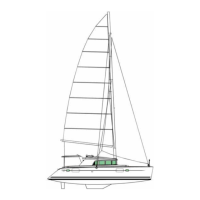
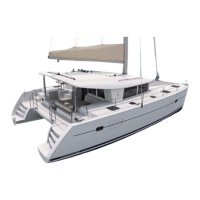
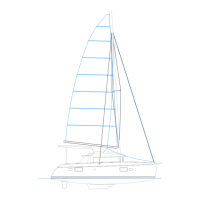
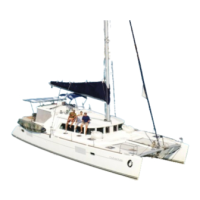
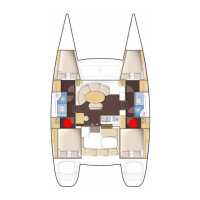
LAGOON 410-S2
MAJ ANG 22/12/05 33 / 39
XII) MOTORIZATION
Stop the engine, do not smoke while you are filling up the fuel tank.
Before you start the engine, make sure that the engine compartment bilge is clean and dry. If
there is the slightest presence of fuel in the bottom, you must not start the engine.
For the boats fitted with a petrol engine, ventilate the engine compartment for 5 minutes with the
bilge ventilators so that the possible petrol vapours may be removed completely.
For the outboard engines with a spare can, fill up the portable tank outside the boat in a well
ventilated place and away from any risk of possible fire.
The fuels that are stored outside the tanks (spare cans, jerrycans,...) shall be kept and stored in a
ventilated place.
Know exactly where the extinguisher aperture is located so you will be able to put out a fire
breaking out in the engine compartment bilge.
A fixed system of extinguisher which enables you to put out a fire breaking out in the engine
compartment bilge is fitted in the boats with petrol engines. Know where the release mechanism is and the
way it works. It is necessary to ventilate the engine compartment bilge after this mechanism has been
released.
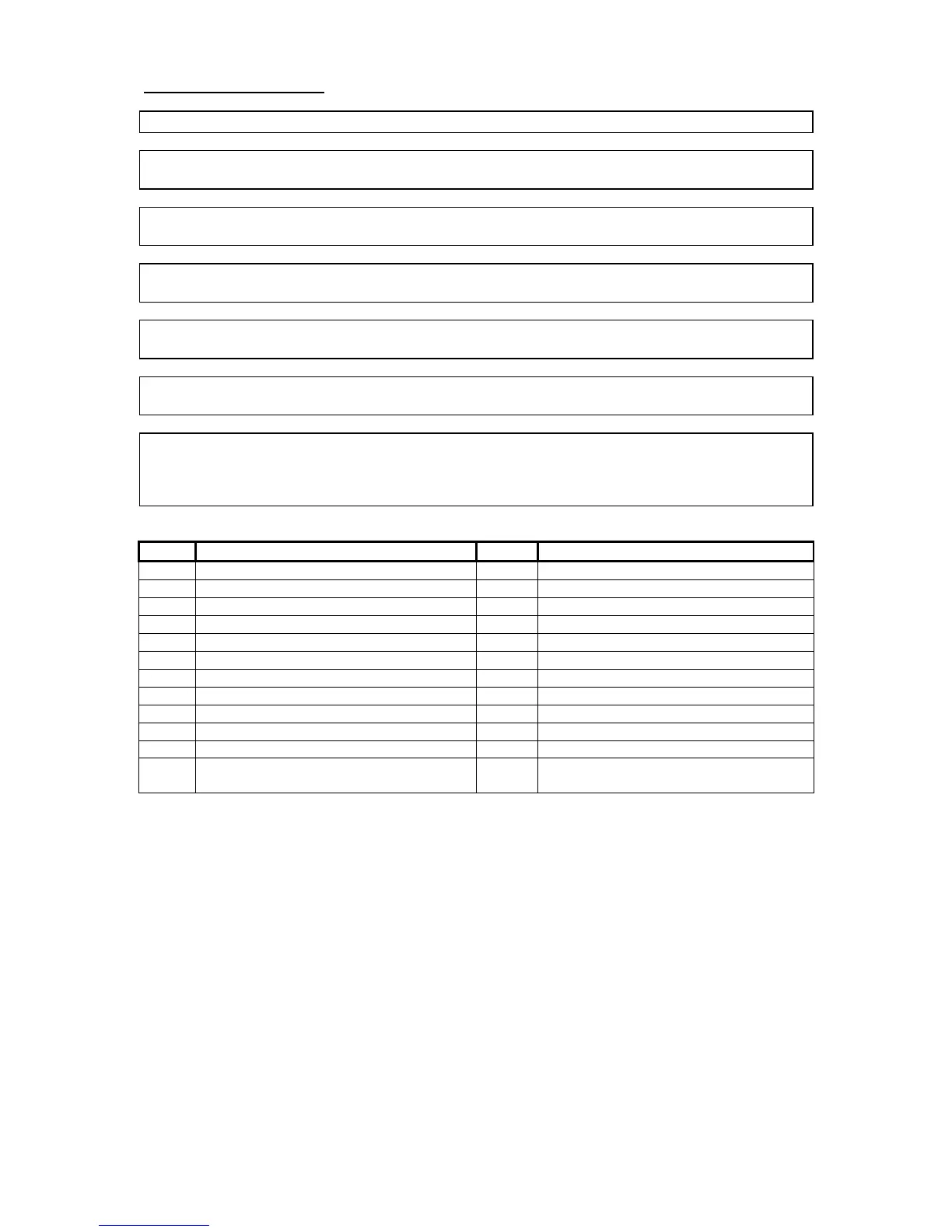
REF DESCRIPTION REF DESCRIPTION
1 Engine Ventilation Grid 13 Engine Panel
2 Engine Air Vent 14 Exhaust Outlet
3 Anti- Siphon 15 Sea Water Filter
4 Extinguisher Aperture
16 Decanter Filter
5 Battery 17 Engine Stop Control
6 Engine Block
18 Valve to Stop the Fuel Oil Intake
7 Baffle Box 19 Fuel oil filling cap
8 Engine Control Handle 20 Diesel oil tank (100l)
9 Propeller 21 Diesel oil tank (optional extra) (100l)
10 Exhaust Pipe 22 Fuel oil filling cap (optional extra)
11 Hatch to the Engine 23 Vent hole – diesel oil tank (optional extra)
12 Battery Breaker 24 Diesel oil tank transfer pump (optional
extra)



 To Next Page