Flight Orientation
During flight operations, the Lucid C1 drone’s orientation should match the pilots
orientation. This is recommended to avoid inadvertent flight controls. As lateral
motions on the controller will be inverted when the drone is facing the pilot. The Lucid
C1 drone was designed to easily discern drone orientation.
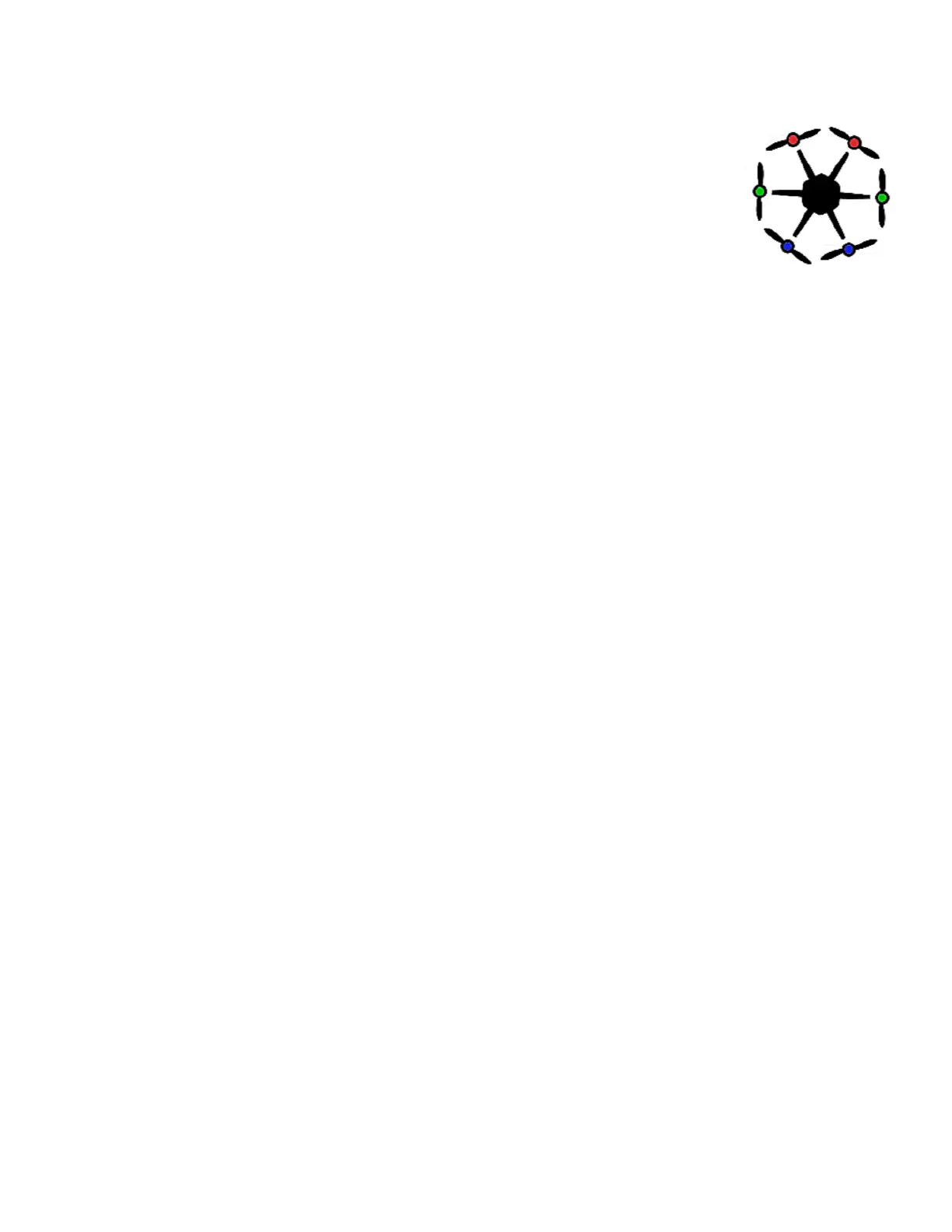
The front of the Lucid C1 drone has two red lights equipped below the motors. The
rearward facing motors will illuminate blue. The pilot should always be looking at the
back of the drone when flying, meaning they will see the blue lights for most of the
flight. Drone orientation can also be discerned by looking for the sprayer nozzle which is fitted to the front of
the aircraft. Pilots can add reflective red tape to the front arms of the drone to make orientation easier to
discern. Although it is recommended to not add very much tape, as you do not want to throw off the weight
and balance of the drone.
Takeoff Protocols & Rules of Takeoff
One of the most dangerous aspects of drone flight centers around takeoff and landing. Although many
liabilities and risks can be mitigate by following the same workflow…every time you fly the C1. Pilots can also
create habits by practicing the rules of takeoff to further mitigate liability.
Pilots and crew should stay clear of the drone upon takeoff. Lucid recommends staying 20 feet clear of the
drone upon takeoff. Prior to takeoff, follow the hardware checklist and pre-flight checklist. In addition, the LCP
should confirm that all participants are clear of the takeoff area and are wearing the proper safety equipment.
1. Ensure all pre-flight checks are complete
2. Ensure all hardware checks are complete
3. Once Remote has required RTK Fix, its time to takeoff!
4. While holding the left stick down, arm the drone by moving the arm toggle to the forward position.
5. Allow the propellers and motors to spin up.
6. Push the left stick, or elevation stick up to about 75%.
7. Takeoff and move up and away from the takeoff position.
8. Let the drone hover for a few seconds, make sure the drone is not “toilet bowling,”
a. Toilet bowling indicates a GPS error, land immediately
9. Next conduct a control sweep to ensure the remote and drone are responding normally.
10. Conduct your battery test
Rules of Takeoff
Every time you fly the C1 drone or any drone, your pilots should follow the rules of takeoff to avoid potential
errors in flight. These rules of takeoff will create habits with your pilots, that will create routines. These
routines will become automatic and help you systematically eliminate liability in flying the drone.
Rules of Takeoff Include:
1. Takeoff into the wind.
2. Drone and Pilot should have the same orientation
3. Takeoff, Move up 10’ and move out 10’. Conduct control sweep and battery test.


 To Next Page
 Loading...