Are More Smoke Alarms Desirable? The required number of
smoke alarms might not provide reliable early warning protection for
those areas separated by a door from the areas protected by the
required smoke alarms. For this reason, the use of additional smoke
alarms for those areas for increased protection is recommended. The
additional areas include the basement, bedrooms, dining room, fur-
nace room, utility room, and hallways not protected by the required
smoke alarms. The installation of smoke alarms in kitchens, attics
(finished or unfinished), or garages is not normally recommended,
because these locations occasionally experience conditions that can
result in improper operation.
IMPORTANT CONSIDERATION
The National Fire Protection Association (NFPA) recommends
replacing your smoke alarm(s) every ten (10) years; why:
• Dust, dirt, and other environmental contaminants can affect your
smoke alarm over a prolonged period.
• Fast changing industry consensus standards and codes on all
devices make it advisable to periodically upgrade your smoke
alarm to maximize life safety.
• Assurance that your smoke alarm needs are kept abreast with
the constantly improving electronic technology.
• Smoke alarms are recognized as one of the lowest cost ways to
protect dwelling inhabitants against the danger of fire(s). It
makes good common sense to periodically replace and update
your smoke alarm that contributes so much to life safety.
MOUNTING LOCATION
This smoke alarm can be mounted on a ceiling or wall with equal
efficiency in either location.
• Ceiling location-smoke alarm should be mounted as close as
possible to the center of a hallway or room. If this is not possible,
the edge of the smoke alarm should be at least 4 inches from any
wall.
• Wall location-locate the top of the smoke alarm at least 4 inches
and not more than 12 inches from the ceiling. Observe smoke
alarm for proper top/bottom orientation (test knob is near bottom
of unit).
Pg. 3-3
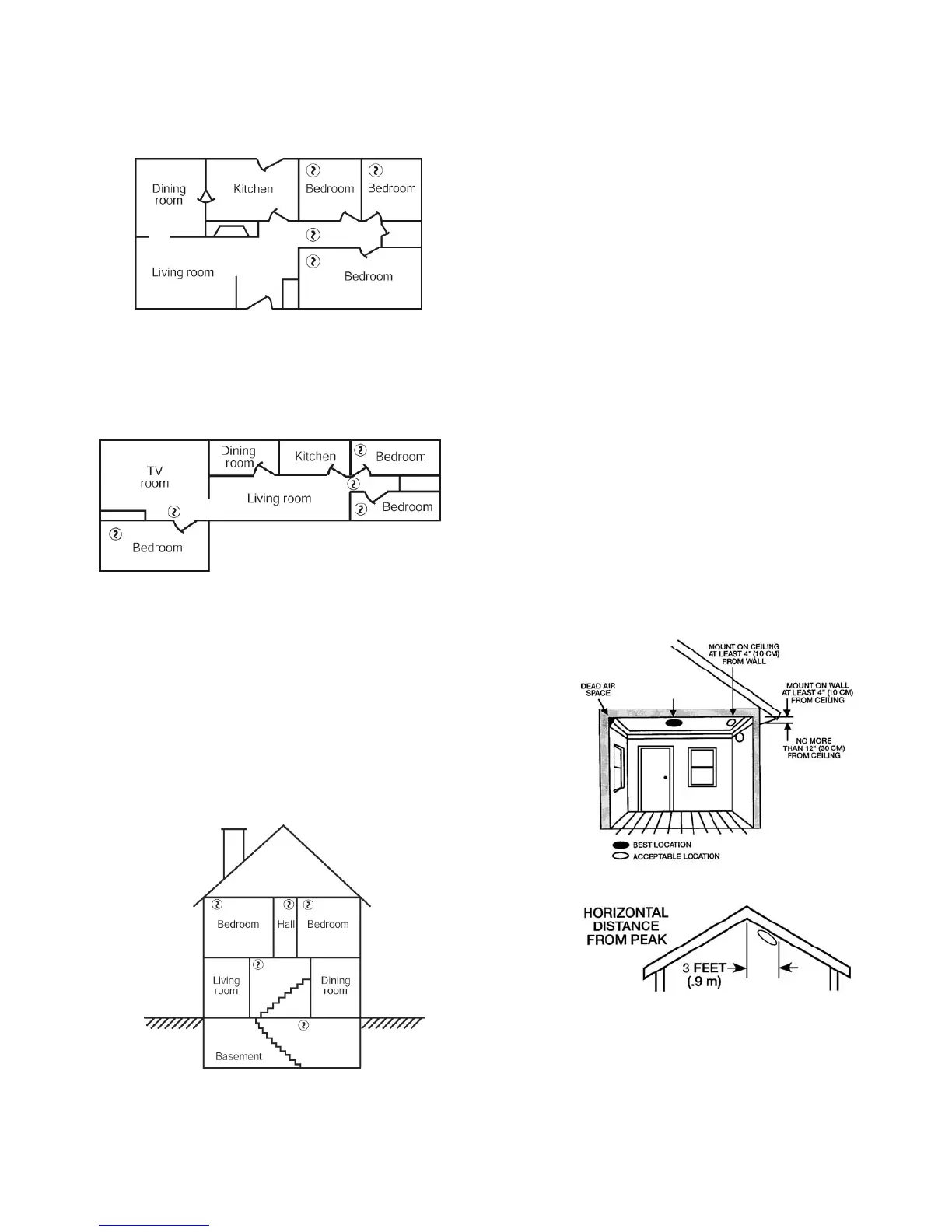
Figure 3: IN DWELLING UNITS WITH MORE THAN ONE
SLEEPING AREA, A SMOKE ALARM SHOULD BE PROVIDED TO
PROTECT EACH SLEEPING AREA IN ADDITION TO SMOKE
ALARMS REQUIRED IN BEDROOMS.
Figure 2: A SMOKE ALARM SHOULD BE LOCATED BETWEEN THE
SLEEPING AREA AND THE REST OF THE DWELLING UNIT AS
WELL AS IN EACH BEDROOM.
Figure 4: A SMOKE ALARM SHOULD BE LOCATED ON EACH
LEVEL IN ADDITION TO EACH BEDROOM.
Where to Locate the Required Smoke Alarms. The major threat
from fire in a dwelling unit occurs at night when everyone is asleep.
Persons in sleeping areas can be threatened by fires in the
remainder of the unit; therefore, smoke alarms are best located in
each bedroom and between the bedroom areas and the rest of the
unit as shown in Figure 2.
Figure 2
In dwelling units with more than one bedroom area or with
bedrooms on more than one floor, more than one smoke alarm is
required, as shown in Figure 3.
Figure 3
In addition to smoke alarms outside of the sleeping areas and in
each bedroom, NFPA 72 requires the installation of a smoke alarm on
each additional level of the dwelling unit, including the basement.
These installations are shown in Figure 4. The living area smoke
alarm should be installed in the living room or near the stairway to the
upper lever, or in both locations. The basement smoke alarm should
be installed in close proximity to the stairway leading to the floor
above. Where installed on an open-joisted ceiling, the smoke alarm
should be placed on the bottom of the joists. The smoke alarm
should be positioned relative to the stairway so as to intercept smoke
coming from a fire in the basement before the smoke enters the
stairway.
Figure 4
Figures 1, 2, 3, & 4 are reprinted with permission from NFPA 72, National Fire Alarm Code®,
Copyright ©2002, National Fire Protection Association, Quincy, MA 02169. This reprinted
material is not the complete and official position of the National Fire Protection Association on
the referenced subject which is represented only by the standard in its entirety. National Fire
Alarm Code® and NFPA 72® are registered trademarks of the National Fire Protection
Association, Inc., Quincy, MA 02169.
Figure 5: RECOMMENDED SMOKE ALARM MOUNTING
LOCATIONS.
Figure 5
Figure 6: RECOMMENDED SMOKE ALARM LOCATION IN ROOMS
WITH SLOPED, GABLED, OR PEAKED CEILINGS.
The placement of the smoke alarm is critical if maximum speed of
fire detection is desired. Thus, a logical location for a smoke alarm is
the center of the ceiling. At this location, the smoke alarm is closest
to all areas of the room.
Figure 6



 To Next Page
 Loading...