EasyManua.ls Logo

MikroTik RouterBOARD 951G-2HnD - User Manual

MikroTik RouterBOARD 951G-2HnD
3 pages
Print Icon
To Next Page IconTo Next Page
Loading...
See www.routerboard.com for more information. Contact support@mikrotik.com for support questions. 16-Oct-2012
RouterBOARD 951G-2HnD
Quick Setup Guide and Warranty
Information
Connecting
1. Connect your Internet cable to port 1,
and LAN computers to ports 2-5
2. Set LAN computer IP configuration to automatic (DHCP)
3. Wireless AP mode is enabled by default, you can connect to the
SSID “MikroTik”. Log into your router from your web browser
by opening 192.168.88.1 in the address bar
Powering
The device accepts powering from the power jack or from the first Ethernet port (Passive PoE):
DC power jack (5.5mm outside and 2mm inside diameter, female, pin positive plug) accepts 8-30V DC
The first Ethernet port accepts passive Power over Ethernet accepts 8-30V DC
Under maximum load, the power consumption of this device is 7W
Booting process
The device is preinstalled with MikroTik RouterOS software. It can be configured in several ways.
This device doesn't come fitted with a Serial Port connector, so initial connection has to be done via the Ethernet cable.
Connect to wireless SSID “MikroTik” and open 192.168.88.1 in your web browser. Username is admin and there is no password.
In case IP connection is not available, Winbox can be used to connect to the MAC address of the device. More information here:
http://wiki.mikrotik.com/wiki/First_time_startup
In case you wish to boot the device from network, for example to use MikroTik Netinstall, hold the RESET button of the device
when starting it until the LED light turns off, and Metal will start to look for Netinstall servers.
In case you wish to boot the device from network, for example to use MikroTik Netinstall, hold the RESET button of the device
when starting it until the LED light turns off, then release the button and the device will start looking for Netinstall servers.
By default, the device is preconfigured with a simple firewall on the WAN port, this configuration can be viewed when first
connecting to the Router via Winbox. It will ask whether to keep this configuration or clean it to use your own. LAN/WLAN
ports have DHCP server enabled.
Extension Slots and Ports
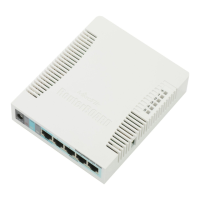
Five individual 10/100/1000 Gigabit Ethernet ports, supporting automatic cross/straight cable connection (Auto MDI/X), so you can
use either straight or cross-over cables for connecting to other network devices. The First Ethernet port accepts 8-30V DC powering
from a passive PoE injector.
One Integrated Wireless 2.4GHz 802.11b/g/n 2x2 MIMO, Onboard PIF antennas, max gain 2.5dBi
One USB 2.0 port
Question and Answer IconNeed help?

Do you have a question about the MikroTik RouterBOARD 951G-2HnD and is the answer not in the manual?

Summary

Connecting

Connecting to the Router

Connect internet cable to port 1, LAN to ports 2-5, set IP to DHCP, and connect to SSID MikroTik.

Powering

Powering Options

Device accepts power via DC jack (8-30V DC) or first Ethernet port (Passive PoE 8-30V DC).

Booting Process

Initial Configuration

Connect via Ethernet to 192.168.88.1 with admin/no password. Winbox can also be used.

Network Booting

Hold RESET button during boot until LED off to search for Netinstall servers.

Extension Slots and Ports

Ethernet Ports

Five 10/100/1000 Gigabit Ethernet ports with Auto MDI/X. First port supports passive PoE.

Wireless and USB

Integrated 2.4GHz 802.11b/g/n MIMO wireless and one USB 2.0 port.

Resetting the Device

Factory Reset Procedure

Hold RESET button during boot until LEDs flash to reset RouterOS configuration.

Buttons and Jumpers

Reset Functions

Two reset methods: jumper hole for RouterOS reset and front panel button for RouterOS or Netinstall.

Copyright and Trademarks

Warranty Information

Twelve-month warranty for defects. RMA procedure required for returns; contact reseller or MikroTik.

Federal Communication Commission Interference Statement

FCC Compliance

Device complies with FCC Part 15, designed for residential use, but may cause interference.

RF Exposure

Maintain minimum 30 cm distance from antenna to users to comply with RF exposure requirements.

CE Declaration of Conformity

CE Compliance Statement

Product complies with essential requirements of Directive 1999/5/EC.

Overview

This document describes the RouterBOARD 951G-2HnD, a device designed for network routing and wireless access point functionalities.

Function Description

The RouterBOARD 951G-2HnD serves as a network router and wireless access point. It allows users to connect their internet cable to a dedicated port and distribute network access to other devices via Ethernet or Wi-Fi. The device comes pre-installed with MikroTik RouterOS software, enabling various configuration options for network management. It supports both wired and wireless connections, offering a versatile solution for small to medium-sized network environments. The default configuration includes a simple firewall on the WAN port and a DHCP server for LAN/WLAN ports, simplifying initial setup.

Important Technical Specifications

  • Ethernet Ports: Five individual 10/100/1000 Gigabit Ethernet ports. These ports support automatic cross/straight cable connection (Auto MDI/X), allowing the use of either straight or cross-over cables for connecting to other network devices.
  • Powering: The device can be powered via a DC power jack or through the first Ethernet port using passive Power over Ethernet (PoE).
    • DC Power Jack: 5.5mm outside and 2mm inside diameter, female, pin positive plug, accepting 8-30V DC.
    • Passive PoE: The first Ethernet port accepts passive Power over Ethernet, also accepting 8-30V DC.
  • Wireless: One integrated Wireless 2.4GHz 802.11b/g/n 2x2 MIMO. It features onboard PIF antennas with a maximum gain of 2.5dBi.
  • USB Port: One USB 2.0 port.
  • Power Consumption: Under maximum load, the power consumption of this device is 7W.
  • Operating System: Pre-installed with MikroTik RouterOS software, currently tested starting from version v5.
  • FCC ID: TV7RB951G-2HND.
  • RF Exposure: To comply with CFR47 1.1307 RF exposure requirements, users must maintain a minimum distance of 30 cm between the antenna and all users.
  • Compliance: Complies with Federal Communication Commission Interference Statement (FCC Part 15 Class B digital device) and CE Declaration of Conformity (Directive 1999/5/EC).

Usage Features

  • Initial Connection:
    • Connect the Internet cable to port 1.
    • Connect LAN computers to ports 2-5.
    • Set LAN computer IP configuration to automatic (DHCP).
    • Wireless AP mode is enabled by default; connect to the SSID "MikroTik".
    • Access the router via a web browser by opening 192.168.88.1. The default username is "admin" with no password.
    • Alternatively, if IP connection is unavailable, Winbox can be used to connect to the device's MAC address.
  • Booting Process: The device is preinstalled with MikroTik RouterOS.
  • Network Boot (Netinstall): To boot the device from the network (e.g., using MikroTik Netinstall), hold the RESET button during startup until the LED light turns off, then release it. The device will then search for Netinstall servers.
  • Pre-configuration: By default, the device has a simple firewall on the WAN port and DHCP server enabled on LAN/WLAN ports. When first connecting via Winbox, you will be prompted to keep or clean this configuration.
  • Auto MDI/X: The Gigabit Ethernet ports automatically detect and adapt to either straight or cross-over cables, simplifying network connections.

Maintenance Features

  • Resetting Device Configuration:
    • RESET Button (Front Panel): Located to the left of the Ethernet ports. Hold this button during boot time until LED lights start flashing, then release it to reset RouterOS configuration. This procedure is useful if you've forgotten the password or wish to return to default settings.
    • RouterOS Reset Jumper Hole (Bottom of Case): Located behind one of the rubber feet. Short circuit the metallic sides of the hole (e.g., with a screwdriver) and boot the device. Hold the screwdriver in place until RouterOS configuration is cleared.
  • Firmware Updates: The Netinstall feature allows for network-based firmware installation, which can be used for recovery or updates.
  • Troubleshooting:
    • FCC Interference: If the device causes harmful interference, measures include reorienting/relocating the antenna, increasing separation from the receiver, connecting to a different circuit, or consulting a dealer/technician.
    • Support: For further information or support questions, users can visit www.routerboard.com or contact support@mikrotik.com.
  • Warranty: MikroTik warrants all RouterBOARD series equipment for twelve (12) months from the shipping date against defects in materials and workmanship under normal use and service. This warranty does not cover damage from improper use or environmental factors.
  • RMA Procedure: For returning failed units, users must follow the Return Merchandise Authorization (RMA) procedure outlined on the MikroTik website (http://rma.mikrotik.com). If purchased from a reseller, contact the reseller first. MikroTik directly handles RMA for equipment purchased directly from them in Latvia. Out-of-warranty devices or those not covered by warranty will be returned at the sender's cost.

MikroTik RouterBOARD 951G-2HnD Specifications

General IconGeneral
BrandMikroTik
ModelRouterBOARD 951G-2HnD
CategoryNetwork Router
LanguageEnglish

Related product manuals