Need help?
Do you have a question about the Nanni 4.390TDi and is the answer not in the manual?
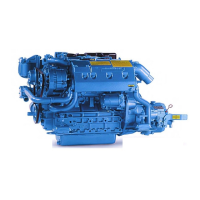
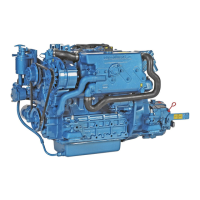
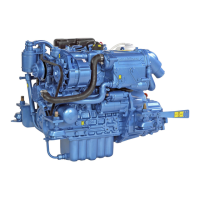
Describes the engine and its purpose, highlighting its quality and production.
Information regarding maintenance, replacement parts, and authorized service.
Essential safety guidelines and precautions for operating the engine.
Guidelines for minimizing environmental impact during engine use.
Indicates an extremely serious danger with high probability of death or injury.
Highlights dangers that could result in serious injury or death if measures are not taken.
Draws attention to dangerous practices that could cause physical injury or damage.
Details regarding the Silverwake warranty for pleasure or commercial use.
Information concerning clutch disks on gearboxes with trolling valves.
Explains various symbols used on the engine for safety and component identification.
Lists recommended practices for environmental protection at quay, resupply, and when sailing.
Information on training organizations and factors influencing boat behavior.
Guidelines for safe operation and awareness while on board.
Primordial safety equipment and its operating condition.
List of essential spare parts and tools for the engine.
Recommendations for safe sailing practices and awareness.
Details on identifying engine model and serial number for correspondence.
Guide to locating and identifying main engine components.
Key principles for checking engine installation and preparation before commissioning.
Steps for general verification and fluid filling before engine startup.
Details on the engine's oil pump lubrication system and oil filter.
Refers to separate specifications for transmission lubrication.
Instructions for filling the engine with oil and checking the level.
Lists components of the fuel circuit.
Procedure for purging the fuel circuit if it has dried out or been drained.
Describes the closed cooling circuit and its components.
Describes the open cooling circuit using seawater.
Recommendations for coolant type, filling, and maintenance.
Importance of the seawater filter and its maintenance.
Rules for maintaining engine quality and extending service life.
Detailed steps for starting, running, and stopping the engine.
Overview of various control indicators on the instrument panel.
Explains the function of various safety alert indicators.
Indicates engine RPM speed and records operating hours.
Indicates battery voltage and reflects charging circuit operation.
Indicates the pressure of oil circulating in the engine.
Indicates engine coolant temperature.
Indicates low oil pressure; requires immediate stop and check.
Indicates high coolant temperature; requires immediate stop and check.
Indicates glow plugs heating combustion chambers.
Indicates charging fault in the alternator.
Indicates water presence in fuel filter; requires filter purge.
Ignition switch for starting and stopping the engine.
Alerts to high air pressure in the turbocharger.
Monitors the engine's common rail system.
Step-by-step guide for starting the engine.
Checks to perform after the engine has started.
Checks to perform while the engine is running.
Procedure for safely stopping the engine and boat.
Safety precautions for working in the engine compartment.
Regular checks that can be performed by the owner.
Maintenance operations to be performed by a qualified dealer.
Procedure for draining water and impurities from the fuel prefilter.
Instructions for checking oil levels in engine, transmission, and power steering.
Key operations for winterizing the engine and transmission.
Troubleshooting steps for engine start-up failures.
Troubleshooting steps for smooth engine operation issues.
Troubleshooting steps for engine overheating issues.


 To Next Page
 General