EasyManua.ls Logo

Panasonic KX-TCA385 - User Manual

Panasonic KX-TCA385
88 pages
Print Icon
To Next Page IconTo Next Page
Loading...
Operating Instructions
DECT Portable Station
Model No. KX-TCA185/KX-TCA285/KX-TCA385
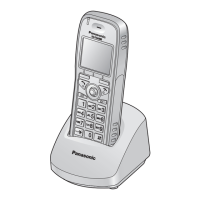
KX-TCA185
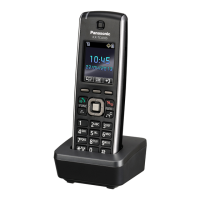
KX-TCA385
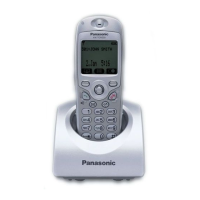
KX-TCA285
Thank you for purchasing this Panasonic product.
Please read this manual carefully before using this product and save this manual for future
use.
KX-TCA385’s handset meets IP65 classification.
For KX-TCA185:
Please use only the batteries provided and charge the batteries for about 7 hours before using
the handset for the first time. For details, see "Charging the Battery/Batteries" on Page 74
in this manual.
For KX-TCA285/KX-TCA385:
Please use only the battery provided and charge the battery for about 3 hours before using
the handset for the first time. For details, see "Charging the Battery/Batteries" on Page 74
in this manual.
Document Version: 2013-10

Table of Contents

Other manuals for Panasonic KX-TCA385

Questions and Answers

Summary

Product Overview and Safety

Operating Instructions

The main title of the user manual, introducing the DECT portable station.

Introduction

Provides an overview of the manual's content and purpose, outlining what the manual covers.

Important Information

Contains crucial details regarding product usage, safety, and warnings.

For Your Safety

Details essential safety precautions to reduce risks of injury, fire, and equipment damage.

Installation and Setup

Before Operating the Telephone

Prepares users for operation by covering accessories and initial checks.

Included Accessories

Lists all components provided with the telephone for different models.

Installation and Setup

Guides users through the initial physical setup of the telephone system.

Battery Installation

Step-by-step instructions for inserting the battery into the handset.

Charger Connection

Explains how to connect the AC adaptor to the charger unit.

Charging the Battery

Provides guidance on initial battery charging for optimal performance.

Core Operations and Features

Location of Controls

Identifies and describes the physical buttons and features on the handset.

Handset Functions

Explains key handset features such as setting passwords and key lock.

Display Information

Details pictographs, status icons, and time display on the handset screen.

Basic Operations

Outlines fundamental operations like navigating menus and accessing logs.

Feature Operations

Covers essential call handling, logging, and dialing features.

Making Calls

Explains how to initiate calls to extensions, outside parties, and via call logs.

Receiving Calls

Details how to answer intercom, outside, and group calls.

Bluetooth Functionality

Explains how to use Bluetooth for headsets and phonebook transfer (KX-TCA285/KX-TCA385 only).

Handset Phonebook Usage

Details storing, editing, searching, and managing contacts in the handset phonebook.

Entering Characters

Guides users on inputting text and numbers using the dialling keys and character modes.

Customisation and Advanced Settings

Customising the Telephone

Introduces the section for personalizing telephone settings.

Changing Initial Settings

Guides on configuring basic handset and system settings like alarms.

Changing Handset Settings

Outlines the menu structure for various handset customisation options.

Display Options

Covers settings for language, backlight, brightness, standby display, and color scheme.

System Options

Includes settings for registering/cancelling handsets, base selection, and system lock.

Bluetooth Options

Configures Bluetooth function, PIN, and headset connection for specific models.

Appendix and Troubleshooting

Appendix

Contains supplementary information including specifications and system requirements.

Technical Specifications

Provides detailed technical data for different models including display, battery, and dimensions.

System Requirements

Specifies compatible CS, PBX models, and software versions for the system.

Troubleshooting

Offers solutions for common problems like handset not working, no ring, or connection issues.

Error Messages

Lists potential error messages and their causes and solutions for quick reference.

Summary

Product Overview and Safety

Operating Instructions

The main title of the user manual, introducing the DECT portable station.

Introduction

Provides an overview of the manual's content and purpose, outlining what the manual covers.

Important Information

Contains crucial details regarding product usage, safety, and warnings.

For Your Safety

Details essential safety precautions to reduce risks of injury, fire, and equipment damage.

Installation and Setup

Before Operating the Telephone

Prepares users for operation by covering accessories and initial checks.

Included Accessories

Lists all components provided with the telephone for different models.

Installation and Setup

Guides users through the initial physical setup of the telephone system.

Battery Installation

Step-by-step instructions for inserting the battery into the handset.

Charger Connection

Explains how to connect the AC adaptor to the charger unit.

Charging the Battery

Provides guidance on initial battery charging for optimal performance.

Core Operations and Features

Location of Controls

Identifies and describes the physical buttons and features on the handset.

Handset Functions

Explains key handset features such as setting passwords and key lock.

Display Information

Details pictographs, status icons, and time display on the handset screen.

Basic Operations

Outlines fundamental operations like navigating menus and accessing logs.

Feature Operations

Covers essential call handling, logging, and dialing features.

Making Calls

Explains how to initiate calls to extensions, outside parties, and via call logs.

Receiving Calls

Details how to answer intercom, outside, and group calls.

Bluetooth Functionality

Explains how to use Bluetooth for headsets and phonebook transfer (KX-TCA285/KX-TCA385 only).

Handset Phonebook Usage

Details storing, editing, searching, and managing contacts in the handset phonebook.

Entering Characters

Guides users on inputting text and numbers using the dialling keys and character modes.

Customisation and Advanced Settings

Customising the Telephone

Introduces the section for personalizing telephone settings.

Changing Initial Settings

Guides on configuring basic handset and system settings like alarms.

Changing Handset Settings

Outlines the menu structure for various handset customisation options.

Display Options

Covers settings for language, backlight, brightness, standby display, and color scheme.

System Options

Includes settings for registering/cancelling handsets, base selection, and system lock.

Bluetooth Options

Configures Bluetooth function, PIN, and headset connection for specific models.

Appendix and Troubleshooting

Appendix

Contains supplementary information including specifications and system requirements.

Technical Specifications

Provides detailed technical data for different models including display, battery, and dimensions.

System Requirements

Specifies compatible CS, PBX models, and software versions for the system.

Troubleshooting

Offers solutions for common problems like handset not working, no ring, or connection issues.

Error Messages

Lists potential error messages and their causes and solutions for quick reference.

Panasonic KX-TCA385 Specifications

General IconGeneral
Standby time200 h
Charging time3 h
Number of batteries supported1
Display typeLCD
Product colorBlack
Display diagonal1.8 \
TypeDECT telephone handset
SpeakerphoneYes
CompatibilityKX-TDA/TDE/NCP/NS
LED indicatorsCharging, Ring
Call log entries10
Phonebook capacity500 entries
Brand compatibilityPanasonic
Harmonized System (HS) code85177900
Weight and Dimensions IconWeight and Dimensions
Depth23 mm
Width55 mm
Height151.5 mm
Weight150 g

Related product manuals