EasyManua.ls Logo

Panasonic TX-32ESW404 - User Manual

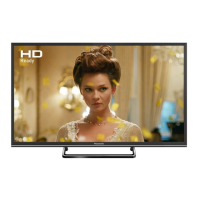
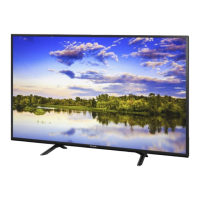
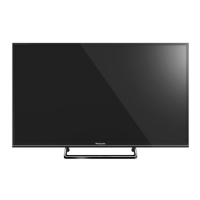
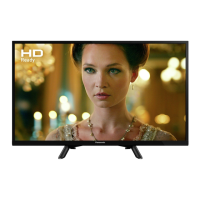
Panasonic TX-32ESW404
80 pages
Print Icon
To Next Page IconTo Next Page
Loading...
Thank you for purchasing this Panasonic product.
Please read these instructions carefully before operating this product and retain them
for future reference.
Please carefully read the “Safety Precautions” of this manual before use.
The images shown in this manual are for illustrative purposes only.
Please refer to Pan European Guarantee Card if you need to contact your local
Panasonic dealer for assistance.
English

Model No.
TX-32ESW404
TX-40ESW404
TX-49ESW404
English
Operating Instructions
LED TV
32-inch model
40-inch model
49-inch model
For more detailed instructions, please refer to
[eHELP] (Built-in Operating Instructions).

How to use [eHELP]
(p. 19)
Question and Answer IconNeed help?

Do you have a question about the Panasonic TX-32ESW404 and is the answer not in the manual?

Summary

Operating Instructions LED TV

How to Use eHELP

Accessing the built-in operating instructions for detailed explanations.

Important Notice

DVB, data broadcasting, and IPTV functions

Details on digital terrestrial, cable, and satellite service compatibility.

Safety Precautions

Mains plug and lead safety

Warnings and guidance regarding the safe use and handling of the power cord.

General safety warnings

Precautions against fire, electric shock, and damage from improper use.

Pedestal and Radio Wave Safety

Pedestal safety and installation

Guidelines for safe pedestal use and TV installation precautions.

Radio wave interference precautions

Warnings about radio wave interference with medical equipment and automatic control devices.

Environmental and Operational Safety

Ventilation and moving guidelines

Ensuring adequate airflow and safe practices for moving the television.

Long-term storage and battery safety

Guidance for storing the TV and safety measures for remote control batteries.

Accessories

Standard accessories and setup

Lists included accessories and guides for pedestal assembly and preparation.

Connections

Terminal overview and connection types

Identification of TV terminals and guides for basic connections.

Basic Connection Types

Mains, satellite, DVB-via-IP, and aerial connections

Guides for connecting mains lead, satellite dish, DVB-via-IP, and aerial.

Network and AV Device Connections

Network setup and AV equipment connection

Instructions for wireless/wired network setup and connecting AV equipment.

Other Connections and Common Interface

Connecting audio;video devices and CI module

Connecting audio/video devices and using a CI module.

USB HDD and VIERA Link

USB HDD recording and VIERA Link setup

Connecting USB HDDs for recording and using VIERA Link functionality.

Identifying Controls

Remote control overview

Explanation of each button and function on the remote control.

Battery Installation and Control Panel

Battery installation and indicator panel

Guide to installing batteries and understanding the TV's indicator and control panel.

First time Auto Setup

Operations

Watching TV and accessing features

Selecting TV viewer, mode, channels, and accessing the APPS list.

How to Use eHELP

How to Use Menu Functions

Menu navigation and settings reset

Steps for navigating menus, entering text, and resetting settings.

Changing Picture and Sound settings

Picture and sound modes

Adjusting picture quality and selecting sound modes like Dynamic, Standard, Cinema, Music.

Retuning and Channel Editing

Retuning from Setup Menu

Automatic channel retuning for DVB-S, DVB-C, DVB-T, and Analogue services.

Tuning and editing DVB channels

Setting up DVB-via-IP and editing DVB channels.

Favourites Editor

Creating and managing favorite DVB channels

Guides for creating, adding, deleting, and sorting favorite channel lists.

Child Lock

Channel and input locking procedures

Setting up PIN codes to lock specific channels or AV inputs.

Updating channel lists and settings

How updating the DVB channel list affects Favourites and Child Lock settings.

Watching External Inputs

Operating connected equipment and remote codes

Using the TV remote to control external devices and changing remote control codes.

Viewing Teletext

Teletext modes and navigation

Explanation of TOP, FLOF, and List modes for accessing teletext information.

Picture-in-picture and contrast adjustment

Features for viewing TV and teletext simultaneously and adjusting contrast.

Using TV Guide

Navigating the Electronic Programme Guide (EPG)

How to select programmes, view details, and set timers from the TV Guide.

USB HDD Recording

Preparation, setup, and recording functions

Connecting and formatting a USB HDD for recording and using One Touch Recording.

REW LIVE TV Function

Operating and stopping REW LIVE TV

How to pause, search, and stop the live recording feature.

Timer Programming

Setting up and editing scheduled recordings

Programming timers to record specific TV programs and managing timer events.

Using Media Player

USB flash memory handling and content selection

Safely connecting USB drives and browsing/selecting media content.

Using Home Network

DLNA and network connection procedures

Introduction to DLNA and steps for wireless/wired network setup.

DLNA Features and Content Sharing

DLNA content playback and sharing

Using DLNA to play shared media and share TV content with network devices.

FAQS (Frequently Asked Questions)

Troubleshooting common TV issues

Solutions for problems like TV not turning on, remote issues, and no image.

Maintenance

Cleaning the TV exterior

Instructions for regular cleaning of the TV's panel, cabinet, and mains plug.

Specifications

TV model, dimensions, mass, and power

Technical details including model numbers, physical dimensions, mass, and power source.

Panel, sound, connections, and systems

Specifications for panel type, audio output, terminals, and receiving systems.

System and Wireless Specifications

Receiving systems and operating conditions

Details on supported broadcast systems, temperature, and humidity.

Wireless LAN standards and security

Information on wireless LAN compliance, frequency ranges, and security protocols.

Using the Wall-Hanging Bracket

Wall-hanging bracket installation warnings

Safety precautions and warnings related to installing wall mounts and handling the TV.

Summary

Operating Instructions LED TV

How to Use eHELP

Accessing the built-in operating instructions for detailed explanations.

Important Notice

DVB, data broadcasting, and IPTV functions

Details on digital terrestrial, cable, and satellite service compatibility.

Safety Precautions

Mains plug and lead safety

Warnings and guidance regarding the safe use and handling of the power cord.

General safety warnings

Precautions against fire, electric shock, and damage from improper use.

Pedestal and Radio Wave Safety

Pedestal safety and installation

Guidelines for safe pedestal use and TV installation precautions.

Radio wave interference precautions

Warnings about radio wave interference with medical equipment and automatic control devices.

Environmental and Operational Safety

Ventilation and moving guidelines

Ensuring adequate airflow and safe practices for moving the television.

Long-term storage and battery safety

Guidance for storing the TV and safety measures for remote control batteries.

Accessories

Standard accessories and setup

Lists included accessories and guides for pedestal assembly and preparation.

Connections

Terminal overview and connection types

Identification of TV terminals and guides for basic connections.

Basic Connection Types

Mains, satellite, DVB-via-IP, and aerial connections

Guides for connecting mains lead, satellite dish, DVB-via-IP, and aerial.

Network and AV Device Connections

Network setup and AV equipment connection

Instructions for wireless/wired network setup and connecting AV equipment.

Other Connections and Common Interface

Connecting audio;video devices and CI module

Connecting audio/video devices and using a CI module.

USB HDD and VIERA Link

USB HDD recording and VIERA Link setup

Connecting USB HDDs for recording and using VIERA Link functionality.

Identifying Controls

Remote control overview

Explanation of each button and function on the remote control.

Battery Installation and Control Panel

Battery installation and indicator panel

Guide to installing batteries and understanding the TV's indicator and control panel.

First time Auto Setup

Operations

Watching TV and accessing features

Selecting TV viewer, mode, channels, and accessing the APPS list.

How to Use eHELP

How to Use Menu Functions

Menu navigation and settings reset

Steps for navigating menus, entering text, and resetting settings.

Changing Picture and Sound settings

Picture and sound modes

Adjusting picture quality and selecting sound modes like Dynamic, Standard, Cinema, Music.

Retuning and Channel Editing

Retuning from Setup Menu

Automatic channel retuning for DVB-S, DVB-C, DVB-T, and Analogue services.

Tuning and editing DVB channels

Setting up DVB-via-IP and editing DVB channels.

Favourites Editor

Creating and managing favorite DVB channels

Guides for creating, adding, deleting, and sorting favorite channel lists.

Child Lock

Channel and input locking procedures

Setting up PIN codes to lock specific channels or AV inputs.

Updating channel lists and settings

How updating the DVB channel list affects Favourites and Child Lock settings.

Watching External Inputs

Operating connected equipment and remote codes

Using the TV remote to control external devices and changing remote control codes.

Viewing Teletext

Teletext modes and navigation

Explanation of TOP, FLOF, and List modes for accessing teletext information.

Picture-in-picture and contrast adjustment

Features for viewing TV and teletext simultaneously and adjusting contrast.

Using TV Guide

Navigating the Electronic Programme Guide (EPG)

How to select programmes, view details, and set timers from the TV Guide.

USB HDD Recording

Preparation, setup, and recording functions

Connecting and formatting a USB HDD for recording and using One Touch Recording.

REW LIVE TV Function

Operating and stopping REW LIVE TV

How to pause, search, and stop the live recording feature.

Timer Programming

Setting up and editing scheduled recordings

Programming timers to record specific TV programs and managing timer events.

Using Media Player

USB flash memory handling and content selection

Safely connecting USB drives and browsing/selecting media content.

Using Home Network

DLNA and network connection procedures

Introduction to DLNA and steps for wireless/wired network setup.

DLNA Features and Content Sharing

DLNA content playback and sharing

Using DLNA to play shared media and share TV content with network devices.

FAQS (Frequently Asked Questions)

Troubleshooting common TV issues

Solutions for problems like TV not turning on, remote issues, and no image.

Maintenance

Cleaning the TV exterior

Instructions for regular cleaning of the TV's panel, cabinet, and mains plug.

Specifications

TV model, dimensions, mass, and power

Technical details including model numbers, physical dimensions, mass, and power source.

Panel, sound, connections, and systems

Specifications for panel type, audio output, terminals, and receiving systems.

System and Wireless Specifications

Receiving systems and operating conditions

Details on supported broadcast systems, temperature, and humidity.

Wireless LAN standards and security

Information on wireless LAN compliance, frequency ranges, and security protocols.

Using the Wall-Hanging Bracket

Wall-hanging bracket installation warnings

Safety precautions and warnings related to installing wall mounts and handling the TV.

Panasonic TX-32ESW404 Specifications

General IconGeneral
Smart modesCinema, Custom, Dynamic, Normal, True Cinema
Screen shapeFlat
Response time- ms
Display diagonal32 \
Display brightness- cd/m²
Display resolution1366 x 768 pixels
Display technologyLED
Motion interpolation frequency400 Hz
Motion interpolation technologyBMR
Dynamic contrast ratio marketing nameHigh Contrast
3DNo
Annual energy consumption55 kWh
Adaptive Dimming BacklightYes
Sound modesAmbience, Custom, Music, Standard
RMS rated power20 W
Number of speakers2
Number of OSD languages27
Tuner typeAnalog & digital
Number of tuners4 tuner(s)
Analog signal format system-
Digital signal format systemDVB-C, DVB-S2, DVB-T, DVB-T2
Digital Living Network Alliance (DLNA) specificationDMP, DMR, DMS, DTCP-IP
AC input voltage220 - 240 V
AC input frequency50 - 60 Hz
Power consumption (max)69 W
Power consumption (off)0.3 W
Power consumption (standby)0.5 W
Power consumption (typical)39 W
USB 2.0 ports quantityUSB 2.0 ports have a data transmission speed of 480 Mbps, and are backwards compatible with USB 1.1 ports. You can connect all kinds of peripheral devices to them.
Ethernet LAN (RJ-45) ports1
Product colorBlack
Panel mounting interface200 x 200 mm
Package depth520 mm
Package width962 mm
Package height121 mm
Package weight8000 g
Weight and Dimensions IconWeight and Dimensions
Depth (with stand)198 mm
Height (with stand)481 mm
Weight (with stand)6000 g
Depth (without stand)69 mm
Width (without stand)733 mm
Height (without stand)437 mm
Weight (without stand)5500 g

Related product manuals