- 25 -
7 Measurements Analyzing
Systolic and Diastolic Blood Pressure
Blood pressure is subject to the influence of cardiac function, vascular tone, blood volume, nerves,
body fluid, age, gender, season, climate and profession, etc.
Exercise, emotional stress and constipation may lead to an increase in blood pressure, whereas,
longtime rest and deep sleep may lower blood pressure.
The increase of environment temperature, such as lukewarm bath, etc. may make diastolic pressure
decrease, and the decrease of temperature, such as cold bath in winter, etc. may make systolic
pressure increase.
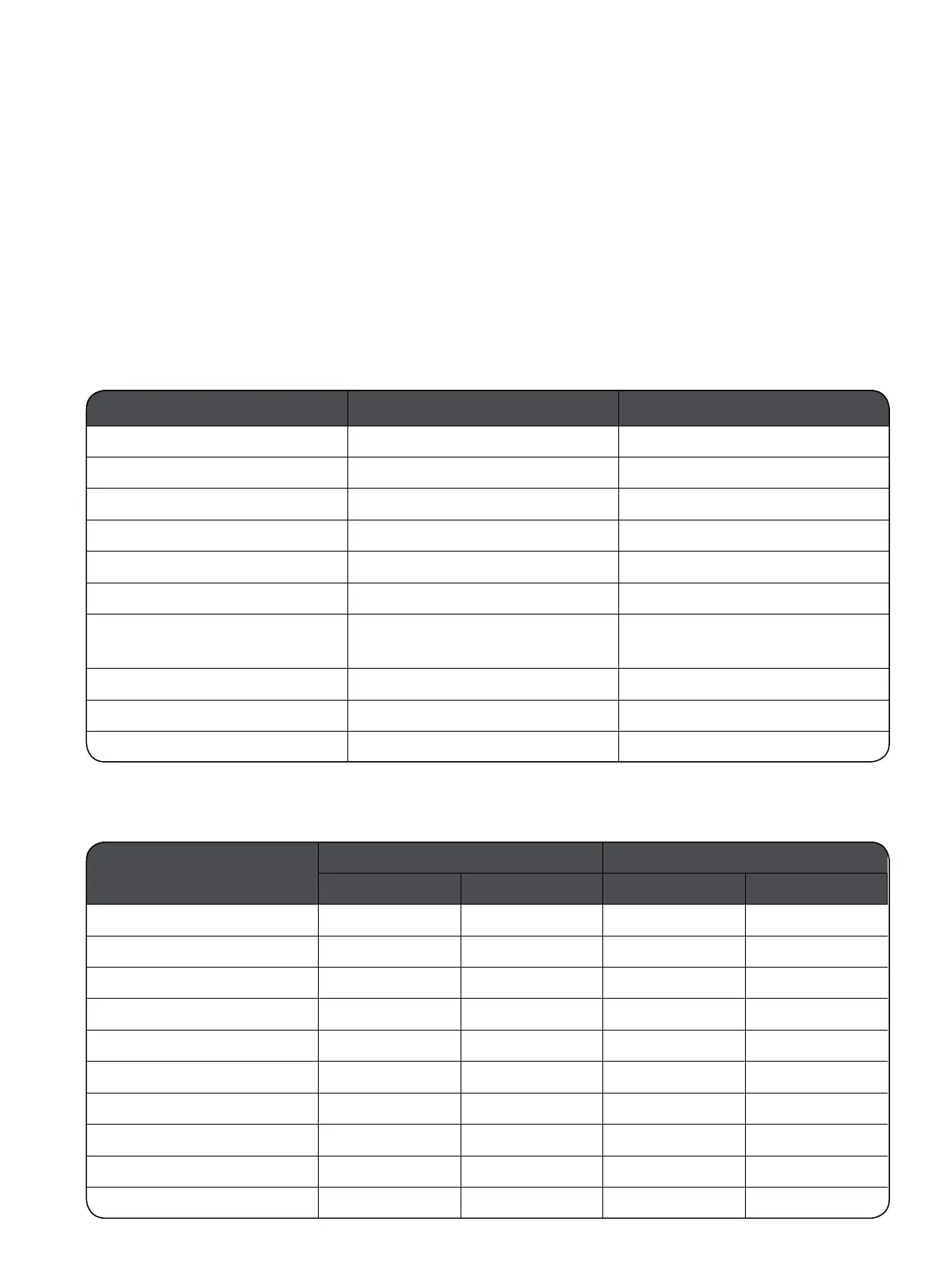
The following tables are the reference value or range of blood pressure for adults:
Tab. 5.1 Definition and Classification of Blood Pressure Level for Adults
Type SYS (mmHg) DIA (mmHg)
Hypotension ≤100 ≤60
Ideal blood pressure <120 <80
Normal blood pressure <130 <85
High-normal blood pressure 130 to 139 85 to 89
Borderline hypertension 140 to 149 90 to 94
Grade 1 hypertension (Mild) 140 to 159 90 to 99
Grade 2 hypertension
(Moderate)
160 to 179 100 to 109
Grade 3 hypertension (Severe) ≥180 ≥110
Isolated systolic hypertension ≥140 <90
Critical systolic hypertension 140 to 149 <90
Tab. 5.2 Reference of Mean Normal Blood Pressure of Chinese People
Age
Male Female
SYS (mmHg) DIA (mmHg) SYS (mmHg) DIA (mmHg)
16 to 20 115 73 110 70
21 to 25 115 73 110 71
26 to 30 115 75 112 73
31 to 35 117 76 114 74
36 to 40 120 80 116 77
41 to 45 124 81 122 78
46 to 50 128 82 128 79
51 to 55 134 84 134 80
56 to 60 137 84 139 82
61 to 65 148 86 145 83


 To Next Page