EasyManua.ls Logo

Polaris RANGER 570 EFI - User Manual

Polaris RANGER 570 EFI
107 pages
Print Icon
To Next Page IconTo Next Page
Loading...
PMS 419
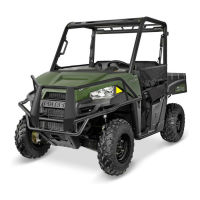
Owner's Manual
for Maintenance and Safety
RANGER
®
570 EFI
RANGER
®
570 EPS
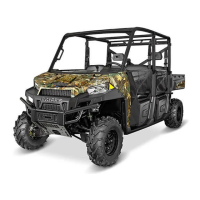
RANGER CREW
®
570 EFI
RANGER CREW
®
570 EPS

Table of Contents

Questions and Answers

  • C
    Chase LyonsJul 26, 2025
    What causes a Polaris Utility Vehicle engine to backfire?
    • M
      Michele MarshallJul 26, 2025
      If your Polaris Utility Vehicle engine backfires, it could be due to several reasons. Inspect the spark plug; if the spark is weak, clean and/or replace the spark plug. Check the spark plug gap and heat range; if incorrect, set the gap to specifications or replace the plug. If you're using old or non-recommended fuel, replace it with fresh, recommended fuel. Ensure that ignition connections are tight. If water is present in the fuel, replace it with fresh recommended fuel.
  • M
    Michael AllenAug 4, 2025
    What to do if Polaris Utility Vehicle engine turns over but fails to start?
    • C
      Charles CrosbyAug 4, 2025
      If your Polaris Utility Vehicle engine turns over but fails to start, it could be due to several reasons. The vehicle may be out of fuel, so refuel it. Water may be present in the fuel, in which case you should drain the fuel system and refuel. Old or non-recommended fuel can also cause this, so replace it with fresh, recommended fuel. Inspect the spark plug; if it's fouled or defective, replace it. Also, check for spark to the spark plug; if there's no spark, replace the plug. If the battery voltage is low, recharge the battery to 12.8 VDC.
  • E
    Eric SheltonAug 8, 2025
    Why does my Polaris Utility Vehicle engine stop or lose power?
    • J
      James MccoyAug 8, 2025
      If your Polaris Utility Vehicle engine stops or loses power, it could be due to several reasons. First, check if you are out of fuel and refuel if necessary. Inspect the fuel vent line for any kinks or plugs and replace if needed. If water is present in the fuel, replace it with new fuel. Inspect the spark plug; if it is fouled or defective, clean or replace it. Also, check the spark plug gap or heat range and set the gap to specifications or replace the plug. Ensure that ignition connections are tight. If the battery voltage is low, recharge the battery to 12.8 VDC. Make sure you are using the correct fuel; if not, replace it with fresh, recommended fuel. Inspect the air filter and clean or replace if clogged.
  • P
    Peggy GarciaAug 16, 2025
    Why is my Polaris Utility Vehicle engine pinging or knocking?
    • M
      Michael HernandezAug 17, 2025
      If the engine on your Polaris Utility Vehicle is pinging or knocking, it could be due to a few reasons. You might be using poor quality or low octane fuel; if so, replace it with the recommended fuel. Also, check the spark plug gap and heat range; if they are incorrect, set the gap to the correct specifications or replace the plug.
  • A
    aunderwoodAug 21, 2025
    How to fix a Polaris Utility Vehicle when the engine doesn't turn over?
    • D
      Deborah AndrewsAug 21, 2025
      If your Polaris Utility Vehicle engine doesn't turn over, it could be due to a few reasons. The battery voltage might be low, so recharge the battery to 12.8 VDC. Check all battery connections and tighten any that are loose. Also, check all solenoid connections and tighten any that are loose. Inspect, clean, and reinstall the electronic control box connectors.
  • M
    Monica ConleyOct 29, 2025
    How to prevent drive belt wear on Polaris Utility Vehicle?
    • R
      Rebecca HarperOct 29, 2025
      Drive belt wear or burn on a Polaris Utility Vehicle can occur due to several reasons. One common cause is driving onto a pickup or tall trailer in high range. To prevent this, always use low range during loading. Starting out going up a steep incline can also cause wear, so use low range. Driving at low RPM or ground speed can cause this issue, so drive at a higher speed or use low range more frequently. Insufficient warm-up at low ambient temperatures can also contribute; warm the engine for at least 5 minutes, advancing the throttle to about 1/8 in short bursts with the transmission in neutral to make the belt more flexible. Slow clutch engagement can be a factor, so use the throttle quickly and effectively. Other causes include towing or pushing at low RPM, utility use or plowing, gett...
  • M
    Marvin McclainNov 11, 2025
    Why does my Polaris Utility Vehicle engine run irregularly or misfire?
    • L
      leonanthonyNov 11, 2025
      If your Polaris Utility Vehicle engine runs irregularly, stalls, or misfires, there are several potential causes. Start by inspecting the spark plug; if it's fouled or defective, clean or replace it. Check the spark plug gap and heat range, setting the gap to the correct specifications or replacing the plug. Ensure that ignition connections are tight. If water is present in the fuel, replace it with new fuel. If the battery voltage is low, recharge the battery to 12.8 VDC. Inspect the fuel tank vent line for kinks or plugs and replace if necessary. Make sure you are using the correct fuel; if not, replace it with recommended fuel. Inspect the air filter and clean or replace if it's clogged. If the fuel is low octane, replace it with recommended fuel. If the fuel is very high octane, replac...

Summary

Welcome

Introduction

Vehicle Identification Numbers

Record vehicle identification numbers and key number.

European Vibration and Noise

Details on vibration and noise measurement per prEN 15997.

Safety

Safe Riding Gear

Essential apparel and protective gear recommendations for safe operation.

Safety Labels and Locations

Importance of reading and following vehicle safety labels and their placement.

Operator Safety

Critical safety guidelines and precautions for vehicle operators.

Features and Controls

Vehicle Components

Overview of vehicle parts and features, referring to specifications.

Console

Description of the vehicle's console, including controls and displays.

Rollover Protective Structure (ROPS)

Information on the ROPS meeting OSHA standards and its importance.

Instrument Cluster

Details of the instrument cluster, speedometer, and indicator lamps.

Operation

Break-In Period

Guidance on the initial operating period for engine and drivetrain.

Pre-Ride Inspection

Essential pre-ride checklist to ensure safe operating condition.

Starting Engine

Procedure for safely starting the vehicle's engine outdoors or in ventilated areas.

Driving Procedure

Step-by-step guide for safe vehicle operation and handling.

Driving On Slippery Surfaces

Precautions for operating on ice, gravel, or wet trails to avoid skids.

Driving Over Obstacles

Guidelines for safely navigating over various obstacles on the terrain.

Driving on a Sidehill (Sidehilling)

Warnings and precautions if crossing a sidehill is unavoidable.

Driving Through Water

Procedures and warnings for operating the vehicle through water.

Driving in Reverse

Precautions for operating the vehicle safely in reverse.

Hauling Cargo

Safety guidelines and weight limits for hauling cargo on the vehicle.

Towing Loads

Precautions and capacity limits for towing trailers or other vehicles.

Dumping the Cargo Box

Procedure for safely dumping the cargo box, including load distribution.

Differential Operation Modes

Explanation of AWD, 2WD, and unlocked differential modes.

All Wheel Drive (AWD)

How to engage and disengage the AWD system for optimal traction.

Winch Guide

Winch Safety Precautions

Critical safety rules and warnings for operating the winch.

Winch Operation

Step-by-step instructions and tips for using the winch effectively.

Winch Cable Care

Guidelines for inspecting and maintaining the winch cable for safety.

Shock Loading

Explanation of shock loading risks and how to avoid them.

Winch Maintenance and Service Safety

Importance of proper maintenance and service for winch safety.

Emission Control Systems

Noise Emission Control System

Compliance with noise regulations and avoiding engine modifications.

Operation on Public Lands in the U.S.A.

Regulations for operating off-road vehicles on public lands.

Crankcase Emission Control System

Description of the closed crankcase emission control system.

Exhaust Emission Control System

How engine design and EFI control exhaust emissions.

Electromagnetic Interference

Compliance with EMC requirements and advice for medical devices.

Maintenance

Periodic Maintenance Chart

Schedule for regular inspections, adjustments, and lubrication of vehicle components.

Engine Oil

Procedures for checking and changing engine oil and filter.

Brakes

Procedures for inspecting brake fluid and the brake system.

Tires

Maintenance of tires, including tread depth and torque specifications.

Battery

Information on battery types, fluid levels, and safety precautions.

Specifications

Clutching

Clutch specifications and dealer consultation.

Polaris Products

Troubleshooting

Drive Belt Issues

Common causes and solutions for drive belt wear or burning issues.

Engine Starting Problems

Troubleshooting for engine not cranking or failing to start.

Engine Running Problems

Diagnosing and resolving issues like backfiring, stalling, or power loss.

Warranty

LIMITED WARRANTY

Details of the six-month limited warranty on vehicle components.

HOW TO OBTAIN WARRANTY SERVICE

Instructions on how and where to get warranty service.

U.S.A. EPA Emissions Limited Warranty

Emissions warranty information compliant with EPA regulations.

California Residents

Specific information for California residents regarding emissions compliance.

Maintenance Log

Index

Polaris RANGER 570 EFI Specifications

General IconGeneral
BrandPolaris
ModelRANGER 570 EFI
CategoryUtility Vehicle
LanguageEnglish

Related product manuals