EasyManua.ls Logo

Polaris RANGER 570 - User Manual

Polaris RANGER 570
107 pages
Print Icon
To Next Page IconTo Next Page
Loading...
Owner's Manual
for Maintenance and Safety
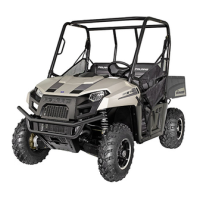
RANGER
®
ETX
RANGER
®
570
RANGER
®
570 EPS
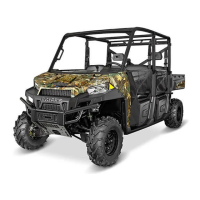
RANGER CREW
®
570
RANGER CREW
®
570 EPS

Table of Contents

Questions and Answers

  • D
    Denise FritzJul 30, 2025
    How to fix irregular engine running, stalling, or misfiring in my Polaris RANGER 570?
    • R
      Richard HallJul 30, 2025
      To address irregular engine running, stalling, or misfires in your Polaris Utility Vehicle, begin by inspecting, cleaning, and/or replacing the spark plug if it's fouled or defective. Check and tighten any loose ignition connections. Replace the fuel if water is present or if the fuel is incorrect, using the recommended type. Inspect and replace a kinked or plugged fuel tank vent line. Recharge the battery to 12.8 VDC if the voltage is low. Inspect and clean or replace the air filter if it's clogged. Also, ensure the spark plug gap is set to specifications.
  • G
    gmolinaAug 3, 2025
    What causes engine backfires in a Polaris RANGER 570?
    • B
      Barbara HortonAug 3, 2025
      Engine backfires in your Polaris Utility Vehicle can be caused by a weak spark from the spark plug, which requires inspection, cleaning, or replacement. Ensure the spark plug gap is set to specifications or replace the plug if needed. Replace old or non-recommended fuel with fresh, recommended fuel. Check all ignition connections and tighten any that are loose. Also, replace the fuel if water is present.
  • C
    Cindy RodgersAug 12, 2025
    What to do if my Polaris Utility Vehicle engine turns over but fails to start?
    • L
      Lori BarrettAug 12, 2025
      If your Polaris Utility Vehicle's engine turns over but doesn't start, first, refuel if the tank is empty. Inspect the spark plug and replace it if it's fouled or defective. If the battery voltage is low, recharge the battery to 12.8 VDC. Drain the fuel system and refuel if water is present in the fuel, or replace old fuel with fresh, recommended fuel.
  • A
    Aaron ThomasAug 16, 2025
    Why does my Polaris RANGER 570 engine stop or lose power?
    • T
      traceyrichardsAug 16, 2025
      Your Polaris Utility Vehicle engine may stop or lose power due to several reasons. Check if you're out of fuel and refuel if necessary. Inspect and replace a kinked or plugged fuel vent line. Replace the fuel if water is present. Inspect, clean, and/or replace a fouled or defective spark plug, and ensure the spark plug gap is set to specifications. Check all ignition connections and tighten any loose connections. Recharge the battery if the voltage is low (12.8 VDC). Replace incorrect fuel with fresh, recommended fuel. Inspect and clean or replace a clogged air filter.
  • K
    Kayla AdamsAug 20, 2025
    What to do if my Polaris Utility Vehicle engine doesn't turn over?
    • J
      Jamie KellyAug 20, 2025
      If your Polaris Utility Vehicle engine doesn't turn over, recharge the battery to 12.8 VDC if the battery voltage is low. Check all battery and solenoid connections and tighten any loose connections. Inspect, clean, and reinstall the electronic control box connectors.
  • F
    Fernando IngramAug 26, 2025
    Why is my Polaris RANGER 570 Utility Vehicle engine pinging or knocking?
    • K
      Kyle RobinsonAug 26, 2025
      If your Polaris Utility Vehicle engine is pinging or knocking, it may be due to poor quality or low octane fuel; replace it with the recommended fuel. Ensure the spark plug gap is set to specifications or replace the plug.
  • O
    Oscar GordonNov 7, 2025
    How to prevent drive belt wear or burn on my Polaris Utility Vehicle?
    • J
      John Massey DVMNov 7, 2025
      To minimize drive belt wear or burn on your Polaris Utility Vehicle, consider the following: When loading onto a pickup or tall trailer, starting on steep inclines, towing or pushing, doing utility work or plowing, or stuck in mud or snow, use low range. Warm the engine for at least 5 minutes, especially in low ambient temperatures, by advancing the throttle to about 1/8 in short bursts with the transmission in neutral. Use the throttle quickly and effectively and avoid slow clutch engagement. If water or snow gets into the PVT system, dry it out and check clutch seals for damage if leaking recurs. Always warm up the belt by operating below 30 MPH for one mile (5 miles or more when temperature is below freezing). Always break in a new belt and/or clutch. Also, ensure you are using the reco...

Summary

INTRODUCTION

SAFETY

Safe Riding Gear

Specifies required protective gear for driver and passengers.

Safety Labels and Locations

Explains the purpose and placement of warning labels on the vehicle.

Max Payload Warning

Provides payload limits for different RANGER models.

Seat Belt;Drive Responsibly Warning

Emphasizes seat belt use and responsible driving practices to prevent injury.

Proper Use Warning

Details operator age, licensing, and usage restrictions for safe operation.

Passenger;Tire Pressure Warning

Warns about passenger safety and proper tire pressure for control.

Operator Safety

Outlines critical safety instructions for operating the vehicle.

Age Restrictions

Specifies minimum age and licensing requirements for operating the vehicle.

Operating Without Instruction

Stresses the importance of reading the manual and taking training.

Using Alcohol or Drugs

Warns against operating the vehicle under the influence of alcohol or drugs.

Protective Apparel

Requires approved helmets and protective eyewear for all occupants.

Failure to Inspect Before Operating

Highlights the necessity of pre-ride inspections for safe operating condition.

Operating With a Load on the Vehicle

Provides guidelines for safely loading and operating the vehicle with cargo.

Handling Gasoline

Details safety precautions for handling flammable gasoline.

Operating a Damaged Vehicle

Advises on inspecting and servicing damaged vehicles after accidents.

Operating at Excessive Speeds

Warns against operating at excessive speeds to maintain control.

Turning Improperly

Warns against improper turning techniques that can cause loss of control.

Operating in Unfamiliar Terrain

Advises extra caution when operating on unfamiliar terrain.

Improper Hill Climbing

Warns about improper hill climbing leading to loss of control or rollover.

Descending Hills Improperly

Warns about improper downhill descending leading to loss of control or rollover.

Stalling While Climbing a Hill

Addresses risks of stalling or rolling backward while climbing a hill.

FEATURES AND CONTROLS

Console

Describes the layout and function of the vehicle's console and its controls.

Seat Belts

Details the three-point seat belts and the speed limitation if not secured.

Cab Nets

Instructs on securing and opening the cab nets for operation and dismounting.

Rollover Protective Structure (ROPS)

Explains the ROPS, its compliance, and the importance of following safety practices.

Instrument Cluster

Describes the instrument cluster, speedometer, and indicator lamps.

Rider Information Center

Details the functions of the rider information center display.

OPERATION

Break-In Period

Details the importance and procedures for the initial break-in period.

Engine and Drivetrain Break-in

Outlines specific steps for breaking in the engine and drivetrain.

PVT Break-in (Clutches;Belt)

Provides instructions for proper break-in of clutches and drive belt.

Pre-Ride Inspection

Lists items to inspect before each use to ensure safe operating condition.

Driving Procedure

Provides a step-by-step guide for operating the vehicle.

Driving with a Passenger

Details safety precautions and procedures when carrying a passenger.

Driving On Slippery Surfaces

Offers precautions for operating on slippery terrain to avoid skids and rollovers.

Driving Over Obstacles

Provides precautions for safely navigating over obstacles.

Driving Uphill

Gives precautions for safe uphill driving and cresting hills.

Driving Downhill

Provides precautions for safe downhill driving and braking.

Hauling Cargo

Details precautions for safely hauling cargo, including weight limits and loading.

Towing Loads

Provides precautions and specifications for towing loads.

All Wheel Drive (AWD) System

Explains the operation of the AWD system and engaging/disengaging it.

All Wheel Drive;Rear Differential System (if equipped)

Details the AWD/Rear Differential system, including engaging and disengaging AWD.

Locking the Differential

Explains how to lock the differential for improved traction.

WINCH GUIDE

Winch Safety Precautions

Lists critical safety warnings and instructions for winch operation.

Winch Operation

Provides instructions and tips for operating the winch safely and effectively.

Shock Loading

Explains the dangers of shock loading and how to avoid it.

Winch Cable Care

Details how to inspect and care for the winch cable to ensure safety.

MAINTENANCE

Periodic Maintenance Chart

Provides a schedule for regular inspection, adjustment, and lubrication of components.

Lubrication Recommendations

Lists components and intervals for lubrication.

POLARIS Variable Transmission (PVT) System

Provides warnings and procedures for the PVT system.

Belt Replacement;Debris Removal

Details steps for replacing the drive belt and removing debris.

SPECIFICATIONS

Maximum Weight Capacity

Lists the maximum weight capacity for different RANGER models.

TROUBLESHOOTING

Engine Doesnt Turn Over

Lists possible causes and solutions for the engine not turning over.

Engine Turns Over, Fails to Start

Lists possible causes and solutions for the engine failing to start.

Engine Runs Irregularly, Stalls or Misfires

Lists possible causes and solutions for irregular engine operation.

Engine Stops or Loses Power

Lists possible causes and solutions for the engine stopping or losing power.

WARRANTY

Limited Warranty

Outlines the terms and duration of the limited warranty.

Warranty Coverage And Exclusions: Limitations Of Warranties And Remedies

Details what is covered and excluded under the warranty, and limitations.

Polaris RANGER 570 Specifications

General IconGeneral
BrandPolaris
ModelRANGER 570
CategoryUtility Vehicle
LanguageEnglish

Related product manuals