EasyManua.ls Logo

Porter-Cable PCB660DP - User Manual

Porter-Cable PCB660DP
28 pages
Print Icon
To Next Page IconTo Next Page
Loading...
1
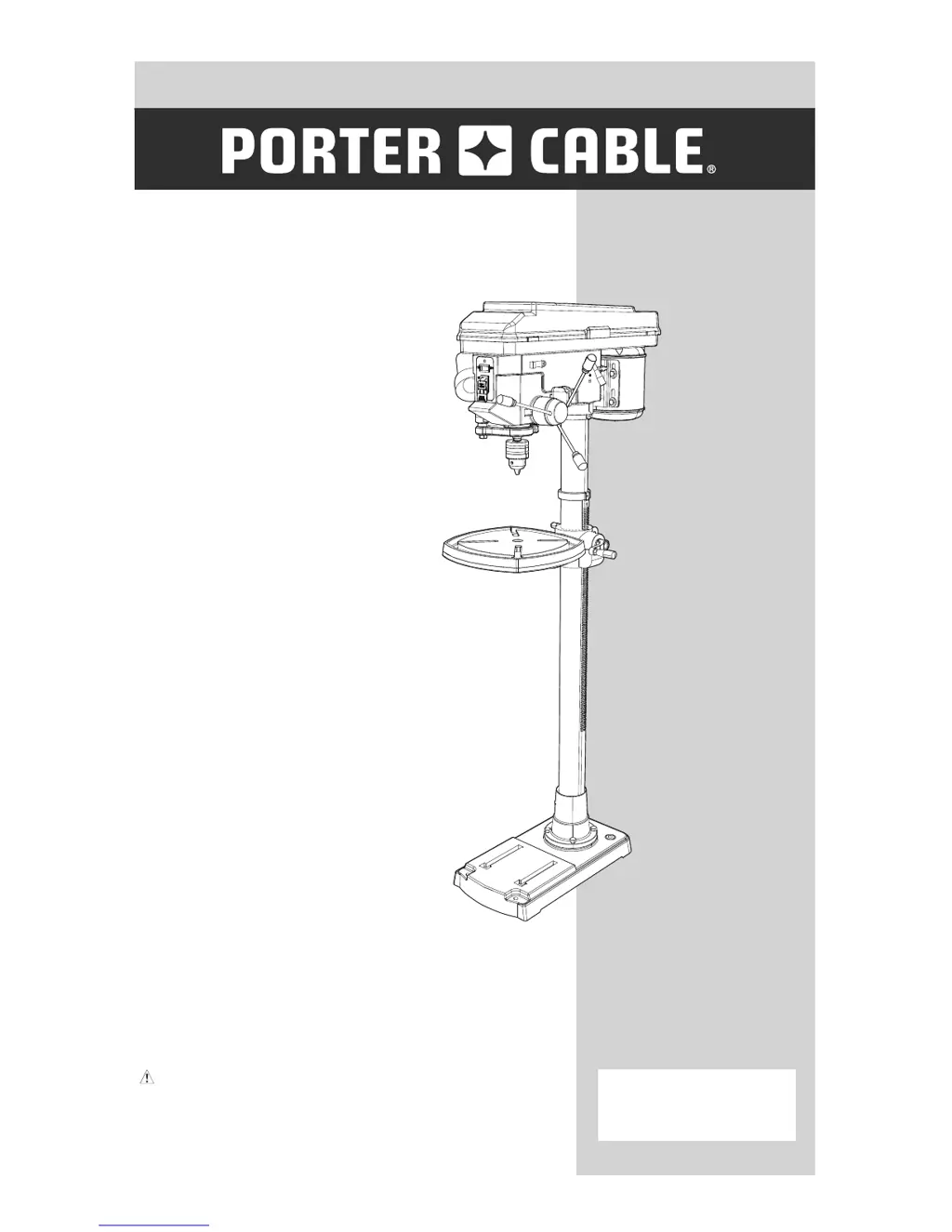
15 IN. (381 MM)
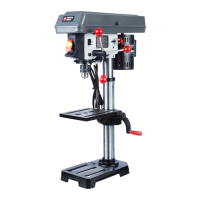
DRILL PRESS
PERCEUSE À COLONNE
381 MM (15 PO)
TALADRO DE COLUMNA
381 MM (15 PULG.)
CATALOG NUMBER
PCB660DP
TYPE 2
Instruction Manual
Manuel d’instructions
Manual de instrucciones
www.portercable.com
INSTRUCTIVO DE OPERACIÓN,
CENTROS DE SERVICIO Y PÓLIZA DE
GARANTÍA.
ADVERTENCIA: LÉASE ESTE
INSTRUCTIVO ANTES DE USAR EL
PRODUCTO.

Questions and Answers

  • J
    Janice BoltonSep 10, 2025
    What to do if drill bit binds in workpiece with Porter-Cable Power Tool?
    • Y
      yjenningsSep 10, 2025
      If your Porter-Cable Power Tool's drill bit binds in the workpiece, it could be because the workpiece is pinching the drill bit, or there's excessive feed pressure. Make sure to support or clamp the workpiece. Another potential cause is improper belt tension, so adjust the tension accordingly.
  • C
    Catherine BaileyAug 23, 2025
    What to do if my Porter-Cable PCB660DP is making a lot of noise?
    • B
      baldwinmatthewAug 23, 2025
      If your Porter-Cable Power Tool is operating noisily, it could be due to incorrect belt tension, a dry spindle, a loose spindle pulley, or a loose motor pulley. Try the following: adjust the belt tension, lubricate the spindle, check the retaining nut on the spindle pulley and tighten if necessary, and tighten the set screw in the motor pulley.
  • T
    Theresa CrossAug 25, 2025
    Why does my Porter-Cable PCB660DP Power Tool drill bit have excessive runout or wobble?
    • W
      William GrayAug 25, 2025
      Excessive drill bit runout or wobble in your Porter-Cable Power Tool can be caused by a bent drill bit, worn bearings, a drill bit not properly installed in the chuck, or the chuck not properly installed. Try replacing the drill bit, replacing the bearings, or properly installing the drill bit or chuck.
  • J
    jordanmelissaAug 26, 2025
    What to do if my Porter-Cable PCB660DP Power Tool drill bit binds in the workpiece?
    • J
      jeremy55Aug 26, 2025
      If the drill bit binds in the workpiece when using your Porter-Cable Power Tool, it could be due to the workpiece pinching the drill bit, excessive feed pressure, or improper belt tension. Support or clamp the workpiece, or adjust the belt tension.
  • C
    cowanrogerAug 28, 2025
    What to do if my Porter-Cable PCB660DP workpiece torn loose from hand?
    • K
      Keith MillerAug 28, 2025
      If the workpiece is torn loose from your hand while using the Porter-Cable Power Tool, it is likely not supported or clamped properly. To fix this, support or clamp the workpiece.
  • A
    Anthony RodriguezAug 29, 2025
    How to prevent wood splinters on the underside when using my Porter-Cable Power Tool?
    • A
      Amy ShieldsAug 29, 2025
      To prevent wood splinters on the underside when using your Porter-Cable Power Tool, use backup material under the workpiece.
  • J
    Jonathon RaySep 18, 2025
    What to do if workpiece torn loose from hand with Porter-Cable Power Tool?
    • W
      Wesley MooreSep 18, 2025
      If the workpiece is torn loose from your hand while using the Porter-Cable Power Tool, it's because it's not supported or clamped properly. You should support or clamp the workpiece.
  • M
    Ms. Angela BautistaSep 12, 2025
    Why won't the chuck stay attached to the spindle of my Porter-Cable Power Tool?
    • C
      Christopher WalkerSep 12, 2025
      If the chuck of your Porter-Cable Power Tool won't stay attached to the spindle and falls off during installation, it's likely due to dirt, grease, or oil on the tapered inside surface of the chuck or on the spindle’s tapered surface. To resolve this, clean the tapered surface of the chuck and spindle with a non-alcohol-based cleaner to remove all dirt, grease, and oil.
  • J
    Jennifer SweeneySep 8, 2025
    Why is there excessive drill bit runout or wobble in my Porter-Cable Power Tool?
    • L
      Linda YoungSep 8, 2025
      Excessive drill bit runout or wobble in your Porter-Cable Power Tool can stem from several causes. The drill bit could be bent, requiring replacement. Alternatively, worn bearings could be the issue, also necessitating replacement. Ensure the drill bit is properly installed in the chuck. Lastly, the chuck itself might not be properly installed.
  • M
    Matthew GreenSep 5, 2025
    Why is my Porter-Cable Power Tool making a noisy operation?
    • S
      Samantha RogersSep 5, 2025
      If your Porter-Cable Power Tool is making unusual noises, several factors could be the cause. It might be due to incorrect belt tension, which requires adjustment. The spindle may be dry and in need of lubrication. Another potential issue is a loose spindle pulley, so check the tightness of the retaining nut on the pulley and tighten it if necessary. Finally, a loose motor pulley could be the culprit; in this case, tighten the set screw in the motor pulley.

Summary

Power Tool Safety Rules

Additional Safety Rules for Drill Presses

Installation and Workpiece Security

Rules for properly installing and securing the drill press and workpiece.

Specific Bit and Chuck Handling Safety

Rules related to drill bits, chuck keys, spindle stops, and preventing accidental starts.

Additional Safety Rules for the Laser

Laser Hazard Warnings and Precautions

Critical warnings regarding laser radiation, eye exposure, and reflective surfaces.

Electrical Requirements and Safety

Power Supply and Circuit Protection

Requirements for the power supply, circuit protection, and cord integrity.

Grounding and Extension Cord Safety

Safety procedures for grounding the tool and selecting correct extension cords.

Indoor Operation and Grounding Verification

Safety advice on operating environment and verifying electrical grounding.

Assembly and Adjustments

Assembly Instructions and Warnings

General warnings and guidelines before commencing assembly.

Basic Drill Press Operation

Switch Panel Operation and Safety

How to use the power switch, safety key, and laser activation.

Speed Selection and Belt Placement

Guide to selecting the correct belt configuration for desired spindle speeds.

Drilling Speed Recommendations

Table listing recommended speeds for various materials and drill bit sizes.

Installing and Securing Drill Bits

Procedures for correctly inserting and securing drill bits in the chuck.

Drilling to a Specific Depth

Methods for setting and achieving a precise drilling depth.

Table and Workpiece Positioning

How to correctly position the table and workpiece for safe drilling.

Maintenance

Troubleshooting Guide

Troubleshooting Common Issues

A chart detailing symptoms, causes, and solutions for common problems.

Porter-Cable PCB660DP Specifications

General IconGeneral
BrandPorter-Cable
ModelPCB660DP
CategoryPower Tool
LanguageEnglish

Related product manuals