8
STORAGE RECOMMENDATIONS
1. The best storage place is one that is cool and dry away from direct sunlight and
H[FHVVKHDWRUFROG
2. Long storage will not harm the battery pack or charger.
CHARGING PROCEDURE
PORTER-CABLE chargers are designed to charge PORTER-CABLE battery packs.
Charge times are: PCC690L in 35-100 mins., PCC691L in 65-200 mins. and PCC695L
in 160-300 mins. depending on the pack being charged.
3OXJWKHFKDUJHULQWRDQDSSURSULDWHRXWOHWEHIRUHLQVHUWLQJWKHEDWWHU\SDFN
2. Insert the battery pack into the charger.
3. The LED will flash indicating that the battery is being charged.
4. The completion of charge is indicated by the LED remaining on continuously.
The pack is fully charged and may be used at this time or left on the charger.
CHARGER DIAGNOSTICS
This charger is designed to detect certain problems that can arise with the battery packs or
WKHSRZHUVRXUFH3UREOHPVDUHLQGLFDWHGE\RQH/('IODVKLQJLQGLIIHUHQWSDWWHUQV
BAD BATTERY
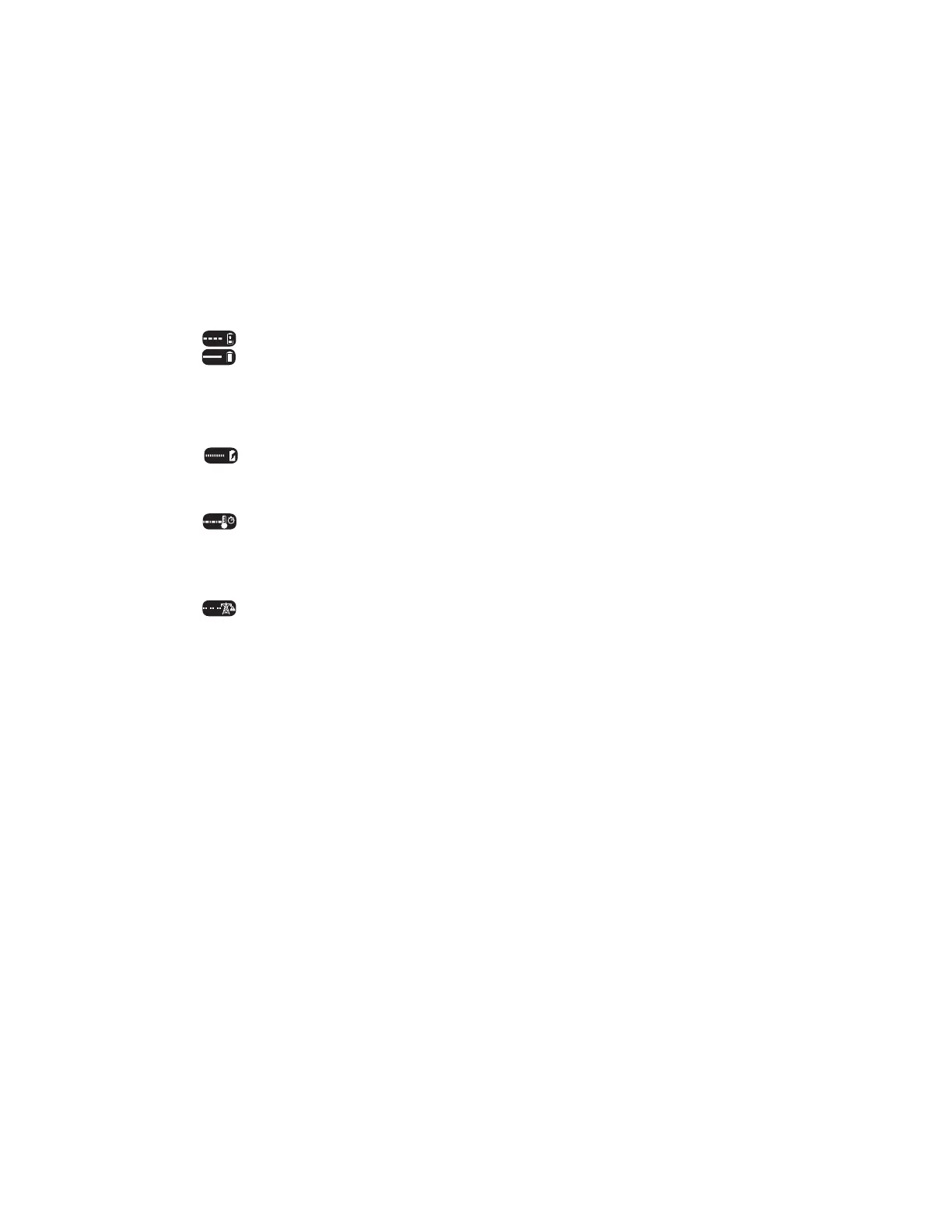
The charger can detect a weak or damaged battery. The LED flashes in the pattern
indicated on the label. If you see this bad battery blink pattern, do not continue to
charge the battery. Return it to a service center or a collection site for recycling.
HOT/COLD PACK DELAY
:KHQWKHFKDUJHUGHWHFWVDEDWWHU\WKDWLVH[FHVVLYHO\KRWRUH[FHVVLYHO\FROGLW
DXWRPDWLFDOO\VWDUWVD+RW&ROG3DFN'HOD\VXVSHQGLQJFKDUJLQJXQWLOWKHEDWWHU\
has normalized. After this happens, the charger automatically switches to the
3DFN&KDUJLQJPRGH7KLVIHDWXUHHQVXUHVPD[LPXPEDWWHU\OLIHThe light flashes
in the pattern indicated on the label.
PROBLEM POWER LINE
:KHQWKHFKDUJHULVXVHGZLWKVRPHSRUWDEOHSRZHUVRXUFHVVXFKDVJHQHUDWRUV
or sources that convert DC to AC, the charger may temporarily suspend operation.
The LED flashes in the pattern indicated on the label. This indicates that the
power source is out of limits.
LEAVING THE BATTERY IN THE CHARGER
The charger and battery pack can be left connected with the LED glowing indefinitely.
The charger will keep the battery pack fresh and fully charged. This charger features
DQDXWRPDWLFWXQHXSPRGHZKLFKHTXDOVRUEDODQFHVWKHLQGLYLGXDOFHOOVLQWKHEDWWHU\
pack to allow it to function at peak capacity. Battery packs should be tuned up weekly
or whenever the battery no longer delivers the same amount of work. To use the
DXWRPDWLFWXQHXSPRGHSODFHWKHEDWWHU\SDFNLQWKHFKDUJHUDQGOHDYHLWIRUDWOHDVWKRXUV
IMPORTANT CHARGING NOTES
1. Longest life and best performance can be obtained if the battery pack is charged
ZKHQWKHDLUWHPSHUDWXUHLVEHWZHHQ)DQG)&'2127FKDUJHWKH
EDWWHU\SDFNLQDQDLUWHPSHUDWXUHEHORZ)&RUDERYH)&
This is important and will prevent serious damage to the battery pack.
2. The charger and battery pack may become warm to touch while charging. This is
a normal condition, and does not indicate a problem. To facilitate the cooling of the
battery pack after use, avoid placing the charger or battery pack in a warm environment
such as in a metal shed, or an uninsulated trailer.
3. If the battery pack does not charge properly:
a. Check current at receptacle by plugging in a lamp or other appliance
b. Check to see if receptacle is connected to a light switch which turns power off
when you turn out the lights.
c. Move charger and battery pack to a location where the surrounding air
WHPSHUDWXUHLVDSSUR[LPDWHO\))&
d. If charging problems persist, take the tool, battery pack and charger to your
local service center.
4. The battery pack should be recharged when it fails to produce sufficient power on
MREVZKLFKZHUHHDVLO\GRQHSUHYLRXVO\'2127&217,18(WRXVHXQGHUWKHVH
conditions. Follow the charging procedure. You may also charge a partially used pack
whenever you desire with no adverse affect on the battery pack.



 To Next Page