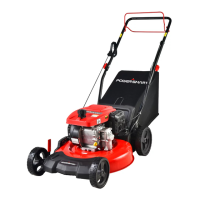
The document is an instruction manual for a PowerSmart® 21" 3-in-1 Gas Self-Propelled Lawn Mower, Model # DB2194SH. It provides comprehensive information on the safe operation, maintenance, and technical specifications of the product.
Function Description
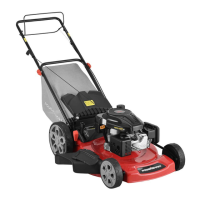
This PowerSmart® lawn mower is designed for residential use to cut grass. It is a 3-in-1 model, meaning it can perform three functions: bagging, mulching, and side discharge of grass clippings. The self-propelled feature assists the user by driving the mower forward, reducing the effort required to push it. The engine start/stop control is a safety feature that quickly stops the blade when released, preventing unintentional starting and ensuring safe operation. The mower is equipped with a recoil starter for manual engine ignition.
Important Technical Specifications
The lawn mower features a 4-stroke, OHV (Overhead Valve), single-cylinder engine with a forced air-cooling system.
- Engine Displacement: 209cc
- Fuel Tank Capacity: 0.24 Gallon
- Oil Capacity: 16.9 fl.oz
- Cutting Width: 20.5 inches
- Cutting Height: Adjustable from 1.18 to 3 inches
- Height Adjustment: 5 positions
- Drive Type: Self-Propelled
- Grass Catcher Capacity: 15.9 Gallon
- Wheels: Front: 7 inches / Rear: 8 inches
- Package Dimensions (L x W x H): 33.3 x 22.6 x 16.73 inches
- Weight: 77 lb.
The engine is certified to comply with U.S. EPA emission regulations for SORE (Small Off Road Equipment) and operates on regular unleaded gasoline. It may include emission control systems such as Engine Modifications (EM) and Three-Way Catalyst (TWC).
Usage Features
The manual emphasizes several key usage features and safety precautions:
General Operation:
- Safety First: Users must read, understand, and follow all instructions and warnings in the manual and on the machine. Only responsible, trained, and physically capable operators should use the machine.
- Bystander Safety: No passengers should be carried, and bystanders, especially small children, must be kept away from the operating area. The machine should be stopped if anyone enters the area.
- Substance Impairment: Do not operate the machine under the influence of alcohol or drugs.
- Safety Devices: Ensure all safety devices, including the grass catcher, discharge chute, or other safety mechanisms, are in place and functioning correctly.
- Personal Protective Equipment: Wear appropriate PPE such as safety glasses, hearing protection, and footwear.
- Ventilation: Operate the engine only in well-ventilated areas due to carbon monoxide exhaust.
- Lighting: Operate the machine in daylight or good artificial light.
- Terrain Awareness: Avoid holes, ruts, bumps, rocks, or other hidden hazards. Uneven terrain can cause the machine to overturn or the operator to lose balance.
- Rotating Parts: Keep hands and feet away from rotating parts and under the machine.
- Discharge Material: Do not direct discharge material toward anyone or against walls/obstructions to prevent ricochet. Stop blades when crossing gravel.
- Unattended Machine: Never leave a running machine unattended. Always park on level ground, disengage attachments, set the parking brake, and stop the engine.
- Reverse Mowing: Mow in reverse only when necessary, and always look down and behind.
Slope Specific Operation:
- Direction: Travel in the manufacturer-recommended direction on slopes.
- Drop-offs: Use caution near drop-offs.
- Wet Grass: Avoid mowing wet grass due to poor footing.
- Traction/Stability: Do not operate if traction, steering, or stability is questionable.
- Gear Engagement: Keep the machine in gear when going down slopes; do not coast.
- Starting/Stopping: Avoid starting and stopping on slopes.
- Speed/Direction Changes: Make turns slowly and gradually.
- Attachments: Use extra care with grass catchers or other attachments as they can affect stability.
Fuel Handling:
- Ignition Sources: Extinguish all cigarettes, cigars, pipes, and other ignition sources.
- Fuel Container: Use only an approved fuel container.
- Refueling: Do not remove the fuel cap or add fuel with the engine running or hot. Do not refuel indoors or in enclosed spaces. Avoid refueling near open flames, sparks, or pilot lights.
- Spillage: If fuel is spilled, do not start the engine. Avoid ignition sources until fuel vapors dissipate.
- Fire Prevention: Keep the machine free of grass, leaves, or debris. Clean up oil/fuel spillage and remove fuel-soaked debris. Allow the machine to cool before storing.
- Fuel Type: Use fresh (within 30 days of purchase), lead-free gasoline with a minimum of 87 octane rating. Do not mix oil with gasoline.
- Fuel Tank Filling: Do not overfill the fuel tank; allow for expansion. The capacity is 0.24 gallons.
Starting the Engine:
- Check oil and fuel levels.
- Press the primer bulb 3 times.
- Engage the engine Start/Stop Control and pull the recoil starter handle slowly until resistance is felt, then pull quickly. Return the cord gently.
- If the engine fails to start, repeat step 3.
Stopping the Engine:
- Release the engine start/stop control.
Drive Control Bar:
- Pressing the drive control bar engages the clutch for self-propulsion. Release it to stop movement. Practice starting and stopping before first use.
Mowing:
- Blade Condition: Use a sharp blade in good condition to prevent frayed grass and yellowing.
- Mowing Pattern: Mow in straight lines with a few inches of overlap to avoid stripes.
- Deck Cleanliness: Keep the underside of the mower deck clean to maintain mulching quality and bagging efficiency.
- Inclines: Mow along inclines (not up and down), holding an angle upwards to prevent slipping.
- Cutting Height: Select cutting height based on grass length. If necessary, mow multiple times, never cutting more than 2 inches at once.
- Blade Inspection: Turn off the engine before checking the blade. The blade continues to rotate for a few seconds after the engine is off. Never manually stop the blade. Regularly check blade security, condition, and sharpness. Replace or sharpen as needed. If the blade strikes an object, stop the mower, disconnect the spark plug wire, inspect for damage, and repair before restarting.
Side Discharge Chute:
- To use, remove the grass catcher and ensure the rear discharge door is closed. Lift the spring-loaded discharge cover, slide the chute hooks under the hinge pin, and lower the cover. Do not remove the spring-loaded side discharge cover.
Grass Catcher:
- To attach, lift the rear discharge door, place the grass catcher into the handle brackets, and release the door onto the catcher.
- To remove, stop the engine, lift the rear discharge door, and pull the grass catcher up and away.
Cutting Height Adjustment:
- Adjust cutting height only when the engine and blades are completely stopped.
- Begin with a higher deck height to prevent scalping.
- Adjust using front and rear levers, ensuring the lever locks into position.
Maintenance Features
The manual outlines a routine maintenance schedule to prolong the life of the lawn mower.
General Maintenance:
- Fasteners: Periodically check all fasteners for tightness.
- Adjustments: All adjustments should be checked at least once per season.
- Warranty: The warranty does not cover operator abuse or negligence. Changing engine-governed speed will void the engine warranty.
- Safety Precaution: Always stop the engine, allow it to cool, and disconnect the spark plug wire before performing any maintenance.
Deck Care:
- Clean the underside of the mower deck after each use to prevent grass clipping buildup. Tip the mower so the air filter faces up to prevent oil spills.
Mower Blade:
- Sharpening/Balancing: Have blade sharpening, balancing, and mounting done by an authorized service center annually.
- Damage Inspection: If the blade strikes an object, stop the engine, disconnect the spark plug wire, and inspect for damage. Replace damaged or bent blades; never straighten them.
Engine Oil:
- Recommendation: 10W-30 SF class oil is recommended.
- Check Level: Check oil level before each use on a level ground. Remove, clean, and reinsert the dipstick (without screwing it in) to check the level. Add oil if too low, ensuring it's between the upper and lower marks.
- Change Schedule: Change oil according to the Recommended Maintenance Schedule, or more often if operating under heavy load or high ambient temperatures. Change oil when the engine is warm for complete drainage. Drain if contaminated with water or dirt.
- Refilling: Ensure the mower is on a level surface. Use a funnel to add 16.9 fl.oz of oil.
- Disposal: Never dispose of used motor oil in the trash or down a drain; contact a local recycling center.
Air Cleaner Maintenance:
- Check Schedule: Check for excessive dirt occasionally, referring to the Recommended Maintenance Schedule.
- Cleaning: Open the cover, remove the sponge-like element, wipe dirt from the casing, and wash the sponge-like element in household detergent and warm water. Replace the paper element if necessary. Reinstall elements and cover.
- Caution: Running the engine with a dirty, damaged, or missing air cleaner element will cause premature engine wear.
Spark Plug Maintenance:
- Inspection: Inspect the spark plug for cracks, excessive electrode wear, and proper gap according to the Recommended Maintenance Schedule.
- Removal: Remove the spark plug boot carefully, then unscrew the spark plug using the provided wrench.
- Gap: Measure the plug gap with a wire gauge; it should be 0.7 to 0.8 mm (0.028-0.031 in).
- Cleaning/Replacement: Clean any dirt from the spark plug base with a wire brush if re-using, then re-gap. Replace if necessary.
- Installation: Screw the spark plug back in using the wrench. Do not over-tighten; tighten ½ to ¼ of a turn after the gasket contacts the hole. Reinstall the spark plug boot.
Storage:
- Cool Down: Never place a storage cover or tarp on the mower while it is hot.
- Extended Storage (30+ days): Drain the fuel tank and carburetor bowl.
- Procedure:
- Start the engine and run until the tank, carburetor bowl, and fuel line are completely empty.
- Change the oil after each season.
- Remove the spark plug. Add approx. 2 ml of oil to the cylinder, then slowly pull the starter handle to bathe the cylinder wall with oil. Screw the spark plug back in.
- Clean the cooling fins of the cylinder and the housing.
- Clean the entire equipment to protect the paint.
- Store in a well-ventilated place.
- Warranty Note: The limited warranty does not cover fuel system damage or engine performance problems resulting from neglected storage preparation.
The manual also includes a troubleshooting guide for common issues like engine failure to start, erratic running, overheating, poor idling, excessive vibration, and uneven cutting. It provides solutions such as checking fuel, spark plug, air filter, and blade condition.
The product comes with a three (3) years limited warranty for home use, covering defects in material or workmanship. For professional or commercial use, the warranty is limited to 90 days. Normal wear parts (drive belts, blades, grass bags) and issues from stale/contaminated fuel are not covered. To make a warranty claim, the product must be returned to PowerSmart with proof of purchase.

 Need help?
 General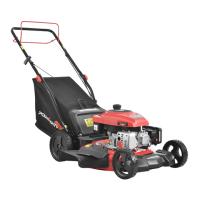

 To Next Page