EasyManua.ls Logo

Rheem 120 Volt - User Manual

Rheem 120 Volt
20 pages
Print Icon
To Next Page IconTo Next Page
Loading...
Water Heaters
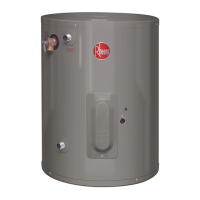
Electric Point of Use
The purpose of this manual is twofold: one, to provide the installer
with the basic directions and recommendations for the proper
installation and adjustment of the water heater; and two, for the
owner–operator, to explain the features, operation, safety
precautions, maintenance and troubleshooting of the water heater.
This manual also includes a parts list.
It is imperative that all persons who are expected to install, operate
or adjust this water heater read the instructions carefully so they may
understand how to perform these operations. If you do not
understand these instructions or any terms within it, seek
professional advice.
Any questions regarding the operation, maintenance, service or
warranty of this water heater should be directed to the seller from
whom it was purchased. If additional information is required, refer to
the section on “If you need service.”
Do not destroy this manual. Please read carefully and keep in a
safe place for future reference.
Recognize this symbol as an indication of Important
Safety Information!
California Proposition 65 Warning: This product contains
chemicals known to the State of California to cause cancer,
birth defects or other reproductive harm.
!
!
2½ through 30 Gallon Capacity
120 and 240 Volt Models
®
LISTED
786H
AP10227-10 (11/03)
Printed in USA
Use & Care Manual
With Installation Instructions for the Installer
IMPORTANT SAFETY INSTRUCTIONS
WARNING—When using electrical appliances, basic safety precautions to reduce the risk of fire, electric shock, or injury to persons
should be followed, including:
READ ALL INSTRUCTIONS BEFORE USING THIS
WATER HEATER.
The cord and plug connected water heater covered in this
manual (2
1
/2 gallon models) must be grounded. Connect
only to properly grounded outlet. See “Electrical
Connections” section on page 8.
Install or locate this water heater in accordance with the
provided installation instructions.
Use this water heater only for its intended use as
described in this manual.
As with any appliance, close supervision is necessary
when used by children.
Do Not use an extension cord set with this water heater. If
no receptacle is available adjacent to the water heater,
contact a qualified electrician to have one properly installed.
Do Not operate this water heater if it has a damaged cord
or plug, if it is not working properly, or if it has been
damaged or dropped.
This water heater should be serviced only by qualified
service personnel. Contact nearest authorized service
center for examination, repair or adjustment.
SAVE THESE
INSTRUCTIONS
Question and Answer IconNeed help?

Do you have a question about the Rheem 120 Volt and is the answer not in the manual?

Summary

Important Safety Instructions

Water Temperature Adjustment

Time;Temperature Relationship in Scalds

Chart showing time to produce a serious burn at different water temperatures.

Installation Requirements and Precautions

California Installation Requirements

California law requires residential water heaters to be braced or anchored.

General Safety Precautions

General safety precautions for installation and operation of the water heater.

Water Heater Location and Inspection

Local Installation Regulations

Water heater must be installed according to instructions, local codes, and utility requirements.

Location Selection

Guidance on selecting a suitable, clean, dry, and accessible location for the water heater.

Shipment Inspection

Check water heater for damage and verify power supply matches rating plate.

Plumbing and Thermal Expansion

Thermal Expansion Management

Explains thermal expansion and methods to control it, like expansion tanks.

Water Supply Connections

Details on connecting hot and cold water supply lines, including shut-off and drain valves.

Final Installation Steps

Relief Valve Installation

Requirements for the temperature and pressure relief valve installation and discharge line.

Filling the Water Heater

Instructions on how to properly fill the water heater with water.

Electrical Connections

Electrical Connections Guide

Details on wiring requirements, including local codes and NEC standards.

Branch Circuit Sizing Guide

Table providing recommended wire size and overcurrent protection for different wattages.

Insulation Blankets

Pipe Insulation Installation

Relief Valve Insulation Installation

Heat Traps Explained

Installation Checklist

Operating the Water Heater

Operating Safety Precautions

Key safety steps to take before operating the water heater.

Safety Controls Overview

Explanation of the thermostat and the temperature limiting control (ECO).

Water Temperature Setting

Thermostat Adjustment Guide

Step-by-step guide on how to adjust the water heater thermostat.

Care and Cleaning

Draining the Water Heater

Instructions for safely draining the water heater tank.

Routine Preventative Maintenance

Recommended maintenance schedule for ensuring long-term, trouble-free service.

Vacation and Extended Shut-Down

Guidance on preparing the water heater for extended periods of non-use.

Troubleshooting Common Issues

Replacement Parts

Parts Order Instructions

Steps for ordering replacement parts, including necessary information.

Parts for 2 1;2 Gallon Models

Diagram and list of replacement parts specific to 2 1/2 gallon models.

Replacement Parts for Other Models

Parts for 6, 10, 20 Gallon Models

Diagram and list of replacement parts for 6, 10, and 20 gallon single-element models.

Parts for 30 Gallon Models

Diagram and list of replacement parts for 30 gallon single and double element models.

Getting Service for Your Water Heater

Summary

Important Safety Instructions

Water Temperature Adjustment

Time;Temperature Relationship in Scalds

Chart showing time to produce a serious burn at different water temperatures.

Installation Requirements and Precautions

California Installation Requirements

California law requires residential water heaters to be braced or anchored.

General Safety Precautions

General safety precautions for installation and operation of the water heater.

Water Heater Location and Inspection

Local Installation Regulations

Water heater must be installed according to instructions, local codes, and utility requirements.

Location Selection

Guidance on selecting a suitable, clean, dry, and accessible location for the water heater.

Shipment Inspection

Check water heater for damage and verify power supply matches rating plate.

Plumbing and Thermal Expansion

Thermal Expansion Management

Explains thermal expansion and methods to control it, like expansion tanks.

Water Supply Connections

Details on connecting hot and cold water supply lines, including shut-off and drain valves.

Final Installation Steps

Relief Valve Installation

Requirements for the temperature and pressure relief valve installation and discharge line.

Filling the Water Heater

Instructions on how to properly fill the water heater with water.

Electrical Connections

Electrical Connections Guide

Details on wiring requirements, including local codes and NEC standards.

Branch Circuit Sizing Guide

Table providing recommended wire size and overcurrent protection for different wattages.

Insulation Blankets

Pipe Insulation Installation

Relief Valve Insulation Installation

Heat Traps Explained

Installation Checklist

Operating the Water Heater

Operating Safety Precautions

Key safety steps to take before operating the water heater.

Safety Controls Overview

Explanation of the thermostat and the temperature limiting control (ECO).

Water Temperature Setting

Thermostat Adjustment Guide

Step-by-step guide on how to adjust the water heater thermostat.

Care and Cleaning

Draining the Water Heater

Instructions for safely draining the water heater tank.

Routine Preventative Maintenance

Recommended maintenance schedule for ensuring long-term, trouble-free service.

Vacation and Extended Shut-Down

Guidance on preparing the water heater for extended periods of non-use.

Troubleshooting Common Issues

Replacement Parts

Parts Order Instructions

Steps for ordering replacement parts, including necessary information.

Parts for 2 1;2 Gallon Models

Diagram and list of replacement parts specific to 2 1/2 gallon models.

Replacement Parts for Other Models

Parts for 6, 10, 20 Gallon Models

Diagram and list of replacement parts for 6, 10, and 20 gallon single-element models.

Parts for 30 Gallon Models

Diagram and list of replacement parts for 30 gallon single and double element models.

Getting Service for Your Water Heater

Overview

This document is a Use & Care Manual with Installation Instructions for Electric Point of Use Water Heaters, covering models with 2½ through 30 gallon capacities, operating on 120 and 240 Volt systems. The primary function of these water heaters is to provide hot water for various applications, particularly in limited spaces such as under countertops, in cabinets, or closets.

Function Description:

The water heater heats and stores water for on-demand use. It is equipped with one or two adjustable surface-mounted thermostats (Type 59T) that regulate the water temperature. Dual element heaters have two thermostats. A temperature limiting control (ECO) acts as a safety feature, breaking the power circuit to the heating element if the water temperature becomes excessively high, requiring a manual reset. The unit is designed for either single or double element operation, depending on the model, and can be wired for non-simultaneous or simultaneous operation in double element configurations.

Important Technical Specifications:

  • Capacity: 2½ through 30 gallons.
  • Voltage: 120V and 240V models.
  • Thermostat Type: Type 59T, adjustable, surface-mounted.
  • Safety Control: Temperature Limiting Control (ECO) with manual reset.
  • Connections:
    • 2½ gallon models: 1/2" pipe connections on top for hot and cold water.
    • 6, 10, 20 gallon models: 3/4" pipe connections, cold water supply near bottom, hot water near top (side connection).
  • Grounding: 2½ gallon models are supplied with a plug-connected power supply cord for 120 VAC applications, requiring connection to a properly grounded receptacle. Other models require a separate branch circuit with copper conductors, an overcurrent protective device, and a suitable disconnecting means, with provisions for metallic conduit/sheathed cable or a separate grounding conductor.
  • Relief Valve: A new combination temperature and pressure relief valve, complying with ANSI Z21.22, is supplied and must be installed. Its pressure rating must not exceed 150 PSI, and its Btuh rating must not be less than the water heater's input rating (1 watt = 3.412 Btuh). The discharge line must be no smaller than the valve outlet, pitched downward, unthreaded, unconcealed, and protected from freezing.
  • Thermal Expansion Control: Installation of an expansion tank in the cold water line between the water heater and a check valve is recommended for "closed water systems" to prevent dangerous pressure increases and premature relief valve failure.
  • Wiring: Specific wiring diagrams are provided for single element (120V only, 120V plug connected, and general single element) and double element (non-simultaneous and simultaneous operation) configurations. Branch circuit sizing and wire size guide (AWG) is provided based on total water heater wattage, recommended overcurrent protection (fuse or circuit breaker amperage rating), and voltage (120V, 208V, 240V). For example, a 1500W unit at 120V requires 20A protection and 12 AWG wire, while a 9000W unit at 240V requires 50A protection and 8 AWG wire.

Usage Features:

  • Temperature Adjustment: Water temperature is regulated by the thermostat(s) located behind jacket access panel(s). The factory setting is 120°F or lower, as required by local codes. Users can adjust the temperature dial pointer using a small screwdriver after turning off power and removing the access panel and insulation.
  • Safety Precautions:
    • Always read instructions before use.
    • Ensure proper grounding, especially for 2½ gallon models with cord and plug.
    • Do not use extension cords.
    • Do not operate if damaged or malfunctioning.
    • Do not turn on an empty or partially empty tank; the tank must be full of water.
    • Do not turn on if the cold water supply shut-off valve is closed.
    • Be aware of potential for severe burns/scalding if temperature is set above 125°F. Households with children, disabled, or elderly persons may require 120°F or lower settings.
    • Mixing valves are available to reduce point-of-use water temperature.
    • Hydrogen gas can accumulate in systems unused for two weeks or more; open a hot water faucet for several minutes to vent gas before using electrical appliances.
    • If the ECO trips, the cause of high temperature must be investigated by a qualified technician before resetting.
  • Installation Location: Must be in a clean, dry area, protected from freezing temperatures, close to hot water fixtures, and with sufficient floor strength to support the filled heater. A suitable catch pan with drainage is recommended in areas where leakage could cause damage.
  • Pipe Insulation: Some models come with 24" sections of pipe insulation for increased energy efficiency, to be installed on hot and cold pipes according to provided illustrations (vertical, horizontal, or side piping arrangements). Relief valve insulation is also provided for some models.

Maintenance Features:

  • Routine Preventative Maintenance: A routine program is recommended, including periodic inspection of operating controls, heating elements, and wiring by qualified service personnel.
  • Draining: To drain the water heater, turn off power and cold water supply, open a hot water faucet, lift the relief valve handle, and attach a garden hose to the drain valve.
  • Tank Cleaning: Hard water deposits can accumulate at the bottom of the tank. Draining a few quarts of water monthly is suggested to clean these deposits.
  • Relief Valve Check: Annually, lift and release the lever handle on the temperature pressure relief valve to ensure it operates freely.
  • Anode Rod Inspection/Replacement: The anode rod should be removed annually for inspection and replaced if more than 6" of core wire is exposed. The cold water supply must be turned off before removal. Operating without an anode rod will shorten tank life and void warranty.
  • Troubleshooting: A "Before You Call For Service" section provides a chart of common problems (e.g., rumbling noise, relief valve draining, rattling, no hot water, water too hot), possible causes, and recommended actions.
  • Extended Shut-Down: If the water heater is idle for an extended period, turn off power and water to conserve energy and prevent hydrogen gas build-up. Drain the heater and piping if freezing temperatures are possible. After shut-down, have qualified service personnel check operation and controls, and ensure the tank is completely filled before restarting.
  • Insulation Blankets: External insulation blankets are generally unnecessary as the heater meets energy conservation standards. If local codes require one, follow manufacturer's instructions carefully: do not cover labels, the top of the heater, or access panels/relief valve, and inspect frequently.

This manual emphasizes safety throughout, with warnings about scalding, electrical hazards, and proper installation procedures to ensure safe and efficient operation of the water heater.

Rheem 120 Volt Specifications

General IconGeneral
BrandRheem
Model120 Volt
CategoryWater Heater
LanguageEnglish

Related product manuals