4
WARNING
• RISKOFINJURYDUETOACCIDENTALSTARTING-Do not use in an area where children may
be present
• KEEPGUARDSINPLACEand in working order
•REMOVEADJUSTINGKEYSANDWRENCHES.Form habit of checking to see that keys and
wrenches are removed from tool before turning it on
• KEEPWORKAREACLEAN.Cluttered areas and benches invite accidents
• DON’TUSEINDANGEROUSENVIRONMENT.Don’t use power tools in damp or wet locations,
or expose them to rain. Keep work area well lit
• KEEPCHILDRENAWAY.All visitors should be kept a safe distance from work area
• MAKEWORKSHOPCHILDPROOFwith padlocks, master switches, or by removing starter
keys
• DON’TFORCETOOL.It will do the job better and safer at the rate for which it was designed
•USERIGHTTOOL.Don’t force tool or attachment to do a job for which it was not designed
• USEPROPEREXTENSIONCORD. Make sure your extension cord is in good condition. When
using an extension cord, be sure to use one heavy enough to carry the current your product
will draw. An undersized cord will cause a drop in line voltage resulting in loss of power and
overheating
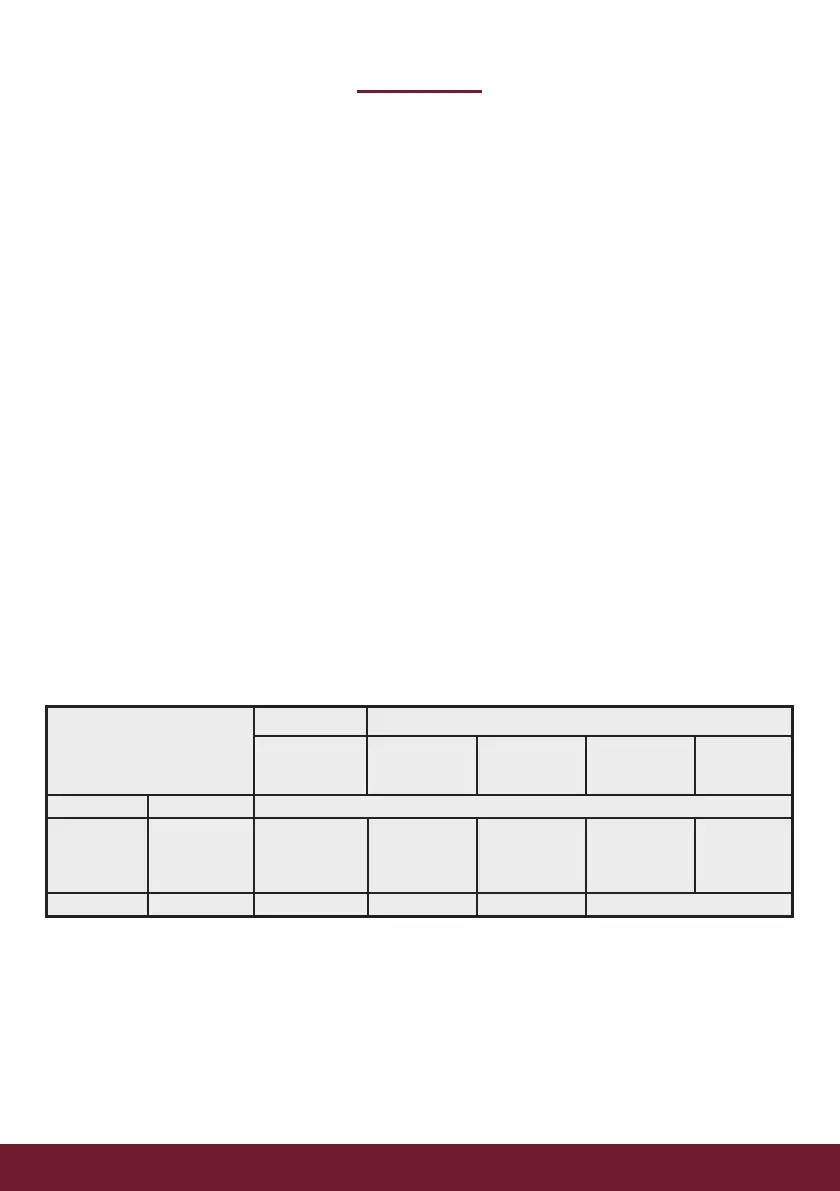
*Table 1 shows the correct size to use depending on cord length and nameplate ampere rating. If in doubt,
use the next heavier gauge. The smaller the gauge number the heavier the cord.
WEARPROPERAPPAREL. Do not wear loose clothing, necktie’s, rings, bracelets, or other jewellery which
may get caught in moving parts. Non-slip footwear is recommended. Wear protective hair covering to
contain hair.
ALWAYSUSESAFETYGLASSES. Also use face or dust mask if cutting operation is dusty. Everyday
eyeglasses only have impact resistant lenses, they are NOT safety glasses.
Table 1 - Minimum gauge for cord
Amphere Rating
More Than Not More Than
Volts Total length of cord in feet
AWG
Not Recommended
120 V
240 V
25 ft.
50 ft.
50 ft.
100 ft.
100 ft.
200 ft.
150 ft.
300 ft.
0
6
10
12
6
10
12
16
18
18
16
14
16
16
16
12
16
14
14
14
12
12


 To Next Page