EasyManua.ls Logo

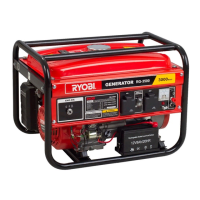
Ryobi RG-3500 - User Manual

Ryobi RG-3500
12 pages
Print Icon
To Next Page IconTo Next Page
Loading...
RG-3500
RG-3500
NOTICE:
SINGLE PHASE 2 STROKE
PETROL GENERATING SET
Automatic voltage regulator
You must pour the oil into the crankcase before use.
Please read the instruction about the relevant details.
Among the engine exhaust emissions,
there will be CO, so never use in an
enclosed room without good ventiation
When the oil level is too low, the engine oil
warning system will be automatic to stop
running trom damaging the engine.
YEAR2015
Rated voltage .................................................. 230V
Rated frequency.............................................. 50Hz
Rated Power ...................................................2.5kW
Rated Power Factor ........................................... 1.0
Altitude Rating ............................................. 1000m
Rated Current ................................................ 10.7A
Performance Class ............................................. G1
Mass ............................................................... 44kgs
WARNING
ENGINE OIL WARNING SYSTEM
OWNER’S OPERATING MANUAL AND WARNINGS

Questions and Answers

Summary

Generator Operation Manual

General Safety Rules

Essential safety guidelines for operating the generator, covering work area, electrical, personal safety, and tool use.

Specific Safety Rules for Generator

Generator-specific safety precautions and warnings, including handling fuel, exhaust, and hot parts.

Generator Preparation and Usage

Description and Specifications

Overview of generator components and technical details like engine type, power, and capacity.

Preparing for Use

Steps to prepare the generator for initial operation and subsequent uses, including checking oil and fuel.

Starting the Generator

Instructions for starting the generator manually or electrically, with important cautions.

Using the Generator

Guidelines for connecting and operating electrical devices, managing wattage requirements.

DC Usage

Instructions for using the DC receptacle for charging 12 Volt automotive-type batteries.

Stopping the Generator

Procedures for safely shutting down the generator after use.

Maintenance and Troubleshooting

Maintenance Schedule

Recommended routine maintenance tasks and their frequency for prolonging generator life.

Cleaning and Oil Management

Procedures for cleaning the generator exterior and managing engine oil levels.

Fuel System Maintenance

Steps for cleaning the fuel filter cup and emptying the fuel tank for storage.

Spark Plug and Storage

Maintenance for the spark plug and guidelines for proper generator storage.

Troubleshooting Common Problems

Solutions for common issues like engine not starting or no electrical output.

Warranty Information

Ryobi Power Equipment Warranty

Details of the warranty conditions, coverage period, and exclusions for Ryobi power equipment.

Summary

Generator Operation Manual

General Safety Rules

Essential safety guidelines for operating the generator, covering work area, electrical, personal safety, and tool use.

Specific Safety Rules for Generator

Generator-specific safety precautions and warnings, including handling fuel, exhaust, and hot parts.

Generator Preparation and Usage

Description and Specifications

Overview of generator components and technical details like engine type, power, and capacity.

Preparing for Use

Steps to prepare the generator for initial operation and subsequent uses, including checking oil and fuel.

Starting the Generator

Instructions for starting the generator manually or electrically, with important cautions.

Using the Generator

Guidelines for connecting and operating electrical devices, managing wattage requirements.

DC Usage

Instructions for using the DC receptacle for charging 12 Volt automotive-type batteries.

Stopping the Generator

Procedures for safely shutting down the generator after use.

Maintenance and Troubleshooting

Maintenance Schedule

Recommended routine maintenance tasks and their frequency for prolonging generator life.

Cleaning and Oil Management

Procedures for cleaning the generator exterior and managing engine oil levels.

Fuel System Maintenance

Steps for cleaning the fuel filter cup and emptying the fuel tank for storage.

Spark Plug and Storage

Maintenance for the spark plug and guidelines for proper generator storage.

Troubleshooting Common Problems

Solutions for common issues like engine not starting or no electrical output.

Warranty Information

Ryobi Power Equipment Warranty

Details of the warranty conditions, coverage period, and exclusions for Ryobi power equipment.

Overview

This document is the owner's operating manual and warnings for the RYOBI RG-3500 generator.

Function Description

The RYOBI RG-3500 is a portable generator designed to provide electrical power for various applications. It operates on a 4-stroke, air-cooled engine and is capable of generating both AC and DC current. The generator is equipped with an automatic shutoff feature to protect the engine from damage due to low oil levels. It can be started manually using a recoil starter or electrically. The AC receptacles allow connection of electrical devices based on their wattage requirements, while the DC receptacle is specifically for recharging 12 Volt automotive-type batteries.

Important Technical Specifications

  • Engine type: 4-stroke, air cooled
  • Rated power: 2.5kW
  • Max. output: 3.0kW
  • Voltage: 230V
  • Frequency: 50Hz
  • Displacement: 212cc
  • Fuel tank capacity: 15L
  • Run time per tank: 7Hrs
  • Net weight: 44kgs
  • Accessories: DC cable, Spark plug wrench
  • Oil capacity: 0.6L (engine crankcase)
  • Recommended fuel: FRESH, UNLEADED FUEL with an OCTANE RATING of 93 or HIGHER.
  • Recommended engine oil: 4-stroke petrol engine oil, specifically SAE 10W30 motor oil for general use.

Usage Features

General Safety Rules:

  • Always operate in a clean, well-lit area, away from flammable liquids, gases, or dust.
  • Keep children and bystanders away.
  • The generator's power output can vary with temperature, altitude, and conditions; only load up to the rated power under specified ambient conditions.
  • Ensure power tool plugs match outlets and avoid modifying them.
  • Avoid body contact with earthed surfaces.
  • Do not expose to rain or wet conditions.
  • Do not abuse the power cord; keep it away from heat, oil, sharp edges, or moving parts.
  • Use outdoor-suitable extension cords when operating outdoors.
  • Check electrical equipment (cables, cords, plugs) for defects before use.
  • Do not connect the generator to other power sources unless as a stand-by connection by a competent person.
  • Replacement circuit breaker parts must have identical ratings.
  • Stay alert and use common sense; do not operate while tired or under the influence of drugs, alcohol, or medication.
  • Wear safety equipment, including eye protection.
  • Avoid accidental starting by ensuring the switch is off before plugging in.
  • Remove adjusting keys or wrenches before turning on.
  • Maintain proper footing and balance.
  • Dress properly; keep hair, clothing, and gloves away from moving parts.
  • Ensure dust extraction and collection facilities are properly connected.
  • Understand all controls and indicators.
  • Do not force the power tool; use the correct tool for the application.
  • Do not use if the switch doesn't turn on and off.
  • Disconnect from the power source before adjustments or storage.
  • Store idle power tools out of reach of children and untrained users.
  • Maintain power tools; check for misalignment, binding, or breakage.
  • Keep cutting tools sharp and clean.
  • Use the power tool, accessories, and tool bits according to instructions and working conditions.
  • For manual start, open the oil tap and close the valve before starting.
  • Service by a qualified repair person using identical replacement parts.

Specific Safety Rules for Generator:

  • Exhaust fumes are poisonous; never operate indoors.
  • Fuel is highly flammable; stop engine when refueling and avoid open flames.
  • No smoking when refueling.
  • Take care not to spill fuel.
  • Never operate in rain, snow, or wet weather.
  • Avoid placing flammables within 1 meter of the engine.
  • Engine parts and exhaust become very hot; do not touch during operation or for 10 minutes after shutdown.
  • Place generator on level ground.
  • Never touch with wet hands.
  • Do not cover; ensure free airflow.
  • Always ground (earth) the generator.
  • Do not connect to commercial power outlet or another generator.
  • Do not overfill fuel tank.
  • Fuel is easily evaporated; screw tank cover tightly after refueling. Use unleaded petrol #93 or more.

Starting the Generator (Manual):

  1. Disconnect all electrical loads.
  2. Ensure generator is properly grounded.
  3. Turn fuel valve to "ON" (Fig. 3).
  4. Move choke lever to "closed" (Fig. 4).
  5. Set engine key switch to "ON" (Fig. 5).
  6. Turn "AC" switch to "OFF" (Fig. 6).
  7. Pull recoil starter handle slowly until resistance is felt, then pull quickly to start. Return cord gently.
  8. Once started, move choke lever halfway to "open" after about a minute, wait 30 seconds, then fully to "open" (Fig. 8).
  9. Allow to run for several minutes before connecting devices.

Starting the Generator (Electric):

  1. Turn fuel lever to "ON" (Fig. 3).
  2. Move choke lever to "closed" (Fig. 4).
  3. Turn "AC" switch to "OFF" (Fig. 6).
  4. Turn engine key switch past "ON" to "Start" (Fig. 9). Release immediately after engine starts.
  5. Allow to run until warm, then return choke lever (Fig. 8).
  6. Plug in power cord and switch "AC" switch to "ON" (Fig. 10).
    • Note: Use manual start after long storage to protect the battery.

AC Usage:

  • Connect electrical devices according to their wattage.
  • Rated power is continuous output; Max. output is for short bursts (e.g., starting motors).
  • Total running wattage of connected devices should not exceed the generator's Rated power. Calculate wattage by multiplying Voltage by Amperage if not listed.

DC Usage:

  • For recharging 12 Volt automotive-type batteries ONLY.
  • Do not connect other devices.
  • Never try to jumpstart a car.
  • Storage batteries emit explosive hydrogen fuel and contain acid. Wear protective goggles and rubber gloves. Flush with water if acid gets on skin, call physician if in eyes, drink milk if swallowed.

Stopping the Generator:

  1. Turn off and unplug all connected electrical devices.
  2. Turn off "AC" switch (Fig. 6).
  3. Allow to run for several minutes with no electrical devices connected.
  4. Set engine key switch to "OFF" (Fig. 11).
  5. Turn fuel valve to "OFF" (Fig. 12).
    • Warning: Allow to cool before touching hot areas.
    • Caution: Do not store fuel in tank for long periods without use.

Maintenance Features

Recommended Maintenance Schedule:

Item Each use Every month or 20 hrs Every 3 months or 50 hrs Every 6 months or 100 hrs Every year or 300 hrs
Engine oil Check level
Replace
Air cleaner Check
Clean
Fuel filter cup Clean
Spark plug Clean/Clean
Fuel tank Check fuel level
Clean

Before Maintenance:

  • Take off the key and spark plug cap.
  • Never perform maintenance while the generator is running.

Checking the Oil:

  1. Ensure generator is on a level surface.
  2. Unscrew oil filler/dipstick cap (Fig. 1).
  3. Wipe oil off stick with a dry cloth.
  4. Insert dipstick as if replacing cap, then remove. Oil should be on the stick. If low, add oil until crankcase is filled.
  5. Replace cap.

Changing/Adding Oil:

  • Check oil level according to maintenance schedule.
  • Add oil if low.
  • To drain oil (if contaminated):
    1. Place bucket underneath.
    2. Unscrew oil drain plug (Fig. 13).
    3. Allow all oil to drain.
    4. Replace and tighten plug.
  • To add oil:
    1. Ensure generator is on a level surface.
    2. Unscrew oil filler/dipstick cap (Fig. 1).
    3. Using a funnel, add high detergent motor oil (SAE 10W30) until level reaches lower lip of opening (Fig. 2).
    • Note: Do not dispose of used motor oil in trash or down a drain; use recycling centers.

Air Cleaner Maintenance:

  1. Unhinge clasps at top and bottom of air cleaner cover (Fig. 14, Fig. 15).
  2. Remove sponge-like elements.
  3. Wipe dirt from inside casing.
  4. Wash elements in household detergent and warm water; allow to dry.
  5. Soak dry elements in engine oil; squeeze out excess.
  6. Replace elements and cover.

Fuel Filter Cup Cleaning:

  1. Turn fuel valve to "OFF" (Fig. 12).
  2. Unscrew fuel filter cup with a wrench (Fig. 16).
  3. Clean cup of sediment with a rag or brush.
  4. Reinstall fuel filter cup.

Spark Plug Maintenance:

  1. Pull on spark plug cap to remove it.
  2. Unscrew spark plug with included wrench (Fig. 17).
  3. Visually inspect; discard if cracked or chipped, replace with new.
  4. Measure plug gap with a gauge (Fig. 18); should be 0.7-0.8mm (0.028-0.031 in).
  5. If re-using, clean dirt with a wire brush and re-gap.
  6. Screw plug back in and replace cap.

Emptying the Fuel Tank (for storage):

  1. Turn fuel valve to "OFF".
  2. Remove fuel filter cup.
  3. Empty fuel filter cup.
  4. Place receptacle underneath, turn fuel valve to "ON", drain all fuel.
  5. Turn fuel valve to "OFF".
  6. Replace fuel filter cup.
  7. Store emptied petrol in a suitable place.
    • Caution: Do not store fuel from one season to another.

Storage:

  • Never place storage cover on hot generator.
  • When transporting or storing for extended periods:
    • Empty fuel tank.
    • Disconnect spark plug.
    • Do not obstruct ventilation openings.
    • Keep in a cool, dry area.

Rated Current & Cross Sectional of Cord:

  • Cross-sectional area of cable should not be less than specified in the annex, and length not longer than 10m.
Rated Current of electrical equipment (A) Cross Sectional of cord (mm)
≤0.2 0.5
>0.2 & ≤3 0.75
>3 & ≤6 1.0 (0.75)
>6 & ≤10 1.5 (1.0)
>10 & ≤16 2.5
>16 & ≤25 4
>25 & ≤32 6
>32 & ≤40 10
>40 & ≤63

Ryobi RG-3500 Specifications

General IconGeneral
BrandRyobi
ModelRG-3500
CategoryPortable Generator
LanguageEnglish

Related product manuals