5-4 EB 8026 EN
Installation
5.2 Preparation for installation
Before installation, make sure the following
conditions are met:
− The valve is clean.
− The valve and all valve accessories (in-
cluding piping) are not damaged.
− The valve data on the nameplate (type
designation, nominal size, material,
pressure rating and temperature range)
match the plant conditions (nominal size
and pressure rating of the pipeline, me-
dium temperature etc.). See the 'Mark-
ings on the device' chapter for name-
plate details.
− The requested or required additional
pipe ttings (see section 'Additional t-
tings') have been installed or prepared
as necessary before installing the valve.
Risk of control valve damage due to incor-
rect insulation.
Î Only insulate control valves up to the
bonnet ange of the valve body (see
Fig.5-2). This also applies to versions
with bellows seal or insulating section at
medium temperatures below 0°C (32°F)
or above 220°C (428°F).. If the insulat-
ing section is insulated, it will not func-
tion properly.
Î Do not insulate valves mounted to com-
ply with NACE MR0175 requirements
and which have nuts and bolts that are
not suitable for sour gas environments.
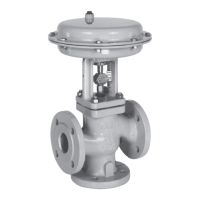
Fig.5-2: Limit of insulation for control valves
Proceed as follows:
Î Lay out the necessary material and tools
to have them ready during installation
work.
Î Flush the pipelines.
The plant operator is responsible for clean-
ing the pipelines in the plant.
Î For steam applications, dry the pipelines.
Moisture will damage the inside of the
valve.
Î Check any mounted pressure gauges to
make sure they function properly.
Î When the valve and actuator are al-
ready assembled, check the tightening
torques of the bolted joints (uAB0100).
Components may loosen during trans-
port.
NOTICE
!
Note


 To Next Page