FUNCTIONAL DESCRIPTION
7
Partitions
The partition is a group of zones for controlling the selected separate part of object,
for which arming is switched on and off at the same time. Division of the object into
partitions improves object protection (some object partitions may be armed while
other have been already disarmed), and allows limitation of users access to some
parts of the object. For example, in the object shown in Figure 1, the Commercial
Department workers do not enter the book-keeping office rooms, if they are not
provided with authorisation of arming and disarming the “Book-keeping” partition.
CA-64 control panel makes possible to create few partition types:
• Partition armed with a code – basic partition type. Arming is done by the user.
Partition of this type is provided with its own timer allowing to arm and disarm, if
the user did not make that earlier.
• With blockage for a time period – It is a version of the above described type of
partition. The difference is that at the time of arming the control panel asks for the
blockage time period. Disarming of this partition is possible only after the
blockage time period elapses. Disarming may be done before the blockage time
period is elapsed only, when alarm occurred in this partition.
• Dependant of ”AND” type – the partition controlled by statuses of other
partitions. Arming for this partition is not done directly by the user, but
automatically – when all indicated to the control panel partitions become armed.
The list of partitions is defined by the service when creating the dependant
partition. The time of dependant partition arming is registered in the history of
events, where the user, who armed the last partition from the list, is indicated.
When any partition from the list will be disarmed, the dependant partition will be
disarmed as well.
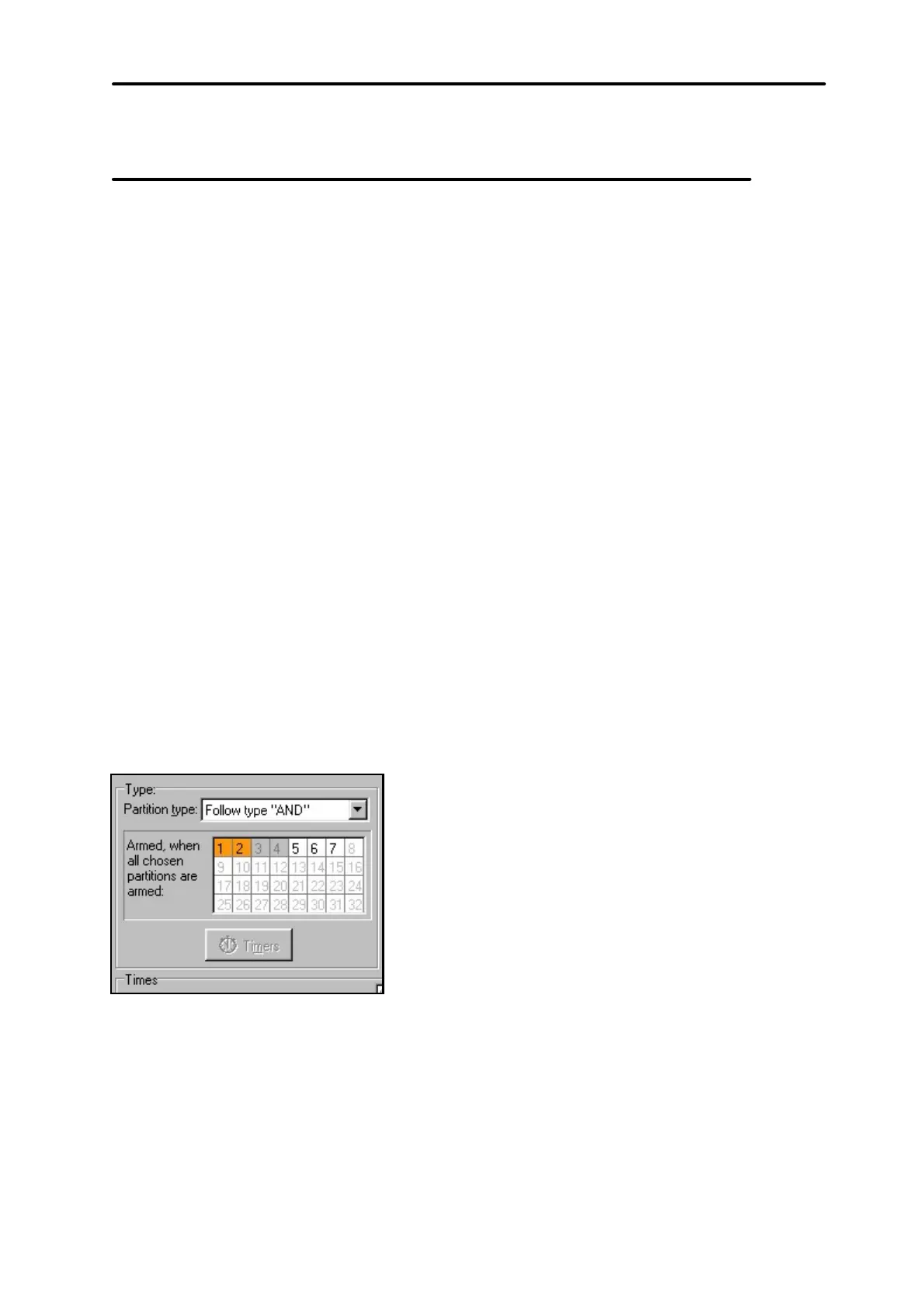
Figure 2 shows the selection field of partitions that
control partition 3 (partitions 1 and 2 are selected,
other colour of background for partitions 3 and 4
shows that partitions 3 and 4 cannot be selected
for controlling the dependant partition) For
Dependant partitions of the “AND” type no exit
delay is defined – the moment of triggering from
“exit delay” to “armed” for this partition is decided
by triggering to the armed status of the last
partition from the control list. Dependant partitions
cannot be controlled with timers.
Fig. 2. Definition of Dependant partition of “AND” type.
Note:
Dependant “AND” type partitions are usually used for protection of common
corridors.
• Dependant of “OR” type – the partition enters the armed status when any
partition from list of control partitions is entering the armed status. The partition is
disarmed at the moment when the last partition contained in the list is disarmed.
Exit delay time is the same as for the controlling partition causing arming of the
dependant partition of the “OR” type.


 To Next Page
 Loading...