16
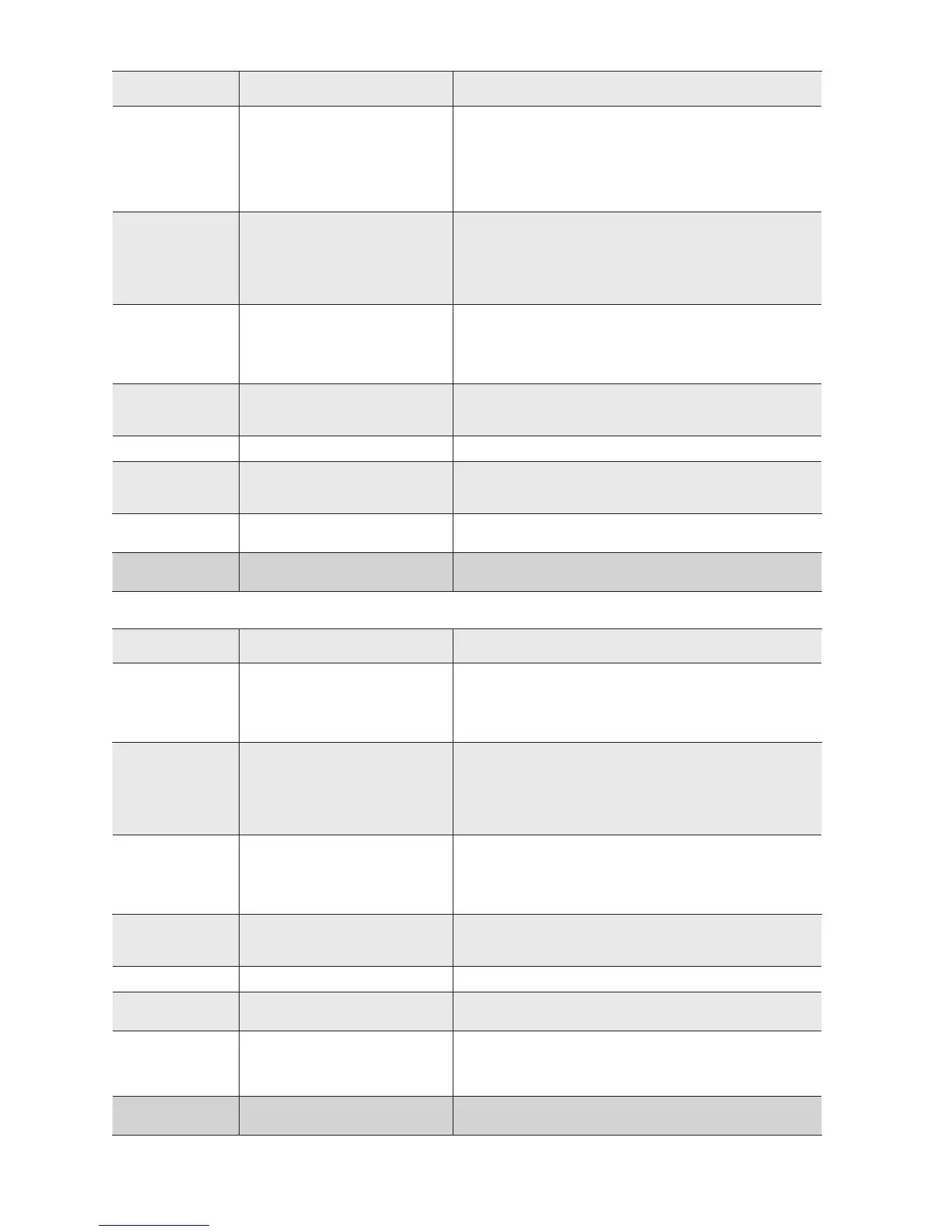
INCONVENIENTI CAUSE RIMEDIO
Manca tensione a vuoto. 1) Selettore di funzionamento in posizione
errata.
2) Macchina smagnetizzata.
3) Velocità ridotta.
4) Diodi rotanti difettosi.
5) Condensatore difettoso
6) Guasto negli avvolgimenti.
1) Spostare il selettore.
2) Applicare ai morsetti d’uscita per 1 sec. una
tensione continua compresa tra 6 ÷12 V.
3) Controllare i giri e portarli al valore nominale.
4) Controllare e sostituire.
5) Controllare e sostituire.
6) Controllare le resistenze degli avvolgimenti come da tabella.
Tensione a vuoto bassa.
Corrente di saldatura
bassa.
1) Selettori in posizione errata.
2) Spinotto del cavo nella gamma errata.
3) Velocità troppo bassa.
4) Diodi rotanti difettosi.
5) Condensatore di valore errato
6) Avvolgimenti avariati.
1
) Spostare i selettori.
2) Spostare lo spinotto.
3) Controllare la velocità e regolare.
4) Controllare e sostituire.
5) Controllare e sostituire.
6) Controllare le resistenze degli avvolgimenti come da tabella.
Tensione a vuoto troppo
alta.
Corrente di saldatura
troppo alta.
1) Selettori in posizione errata.
2) Spinotto del cavo nella gamma errata.
2) Velocità motore troppo alta.
4) Condensatore di valore errato.
5) Rotore difettoso.
1) Spostare i selettori.
2) Spostare lo spinotto.
2) Controllare la velocità a vuoto e regolare.
4) Controllare e sostituire
5) Sostituire il rotore.
Tensione corretta a vuoto,
troppo bassa a carico.
1) Possibile sovraccarico.
2) Il motore rallenta.
3) Diodi rotanti difettosi.
1) Controllare la corrente di carico.
2) Controllare dimensionamento motore.
3) Controllare e sostituire.
Saldatura difettosa 1) Guasto nell’impedenza. 1) Controllare la resistenza come da tabella e sostituire.
Tensione instabile.
Corrente di saldatura
instabile.
1) Contatti incerti.
2) Irregolarità di rotazione.
1) Controllare le connessioni.
2) Verificare l’uniformità di rotazione.
Surriscaldamento della
macchina.
1) Aperture di ventilazione parzialmente ostruite.
2) Possibile sovraccarico.
1) Smontare e pulire le cuffie di aspirazione ed espulsione aria.
2) Controllare la corrente di carico.
Macchina rumorosa. 1) Cuscinetti avariati.
2) Accoppiamento difettoso.
1) Controllare e sostituire.
2) Verificare e riparare.
DEFECT CAUSE REMEDY
No no-load voltage. 1) Selectors in the wrong position.
2) Demagnetized machine.
3) Reduced speed.
4) Faulty excitation bridge.
5) Failure in the windings.
1) Move the selectors.
2) Apply to the terminal a DC voltage between 6÷12V for 1 second.
3) Check the speed and bring it to the rated value.
4) Check and replace.
5) Check the windings resistances as per the table.
No-load voltage too low.
Low welding current.
1) Current selector in the wrong position.
2) Cable jack in the wrong range.
3) Speed too low.
4) Faulty rotating diodes.
5) Wrong capacitor value.
6) Faulty windings.
1) Move the selector.
2) Move the jack.
3) Check and regulate speed.
4) Check and replace.
5) Check and replace.
6) Check the resistance as per the table.
No-load voltage too high.
Welding current too high.
1) Selectors in the wrong position.
2) Cable jack in the wrong range.
2) Excessive motor speed.
4) Wrong capacitor value.
5) Faulty rotor.
1) Move the selectors.
2) Move the jack.
3) Regulate the motor speed.
4) Check and replace.
5) Change the rotor.
Correct no-load voltage and
too low full-load voltage.
1) Probable overload.
2) The engine speed slows down.
3) Faulty rectifier bridge.
1) Check the load current.
2) Check motor dimensions.
3) Check and replace.
Faulty welding 1) Fault in impedance. 1) Check the resistance according to table and replace.
Unstable voltage.
Unstable welding current.
1) Loose connections.
2) Irregular rotation.
1) Check the connections.
2) Verify the rotation uniformity.
Machine overheating. 1) Partially obstructed ventilation openings.
2) Probable overload.
3) Fault in the windings.
4) Faulty welding rectifier bridge.
1) Remove and clean the air inlet and outlet grids.
2) Check the load current.
3) Check the windings resistances as per the table.
4) Check each diode and replace the bridge.
Noisy machine. 1) Faulty bearings.
2) Faulty coupling.
1) Check and replace.
2) Verify and repair.


 To Next Page
 Loading...