• Two Wheel and Four Wheel Drive Tractors- general- p u r p o s e machines used to
transport materials around site. Can operate purpose made implements attached to the Three Point
Linkage, tow a variety of trailed implements or use purpose made fore end loaders.
• Four Wheel Drive- should not be used on solid firm ground like yards or roads as it can cause excessive
tyre wear
• Crawler Tractors- ideal for Fieldwork using a large range of heavy attachments. Also used as
Tractor Dozers
• Classification- Tractors are referred to by their Horse Power
• Independent Braking- Separate brake pedal operates the brakes on each side of the tractor are used to
improve steering and maneuverability. Both pedals must be latched together when travelling on the road
Pre Use Inspections-
• Plant should be checked according to the manufactures specifications. The checks should be recorded in
the defect book or daily check sheet. Any defects should be reported
• Suitable PPE (gloves) should be worn when carrying out the prestart checks to prevent skin disease and
contaminating the controls
• Engine oil, Hydraulic oil, Transmission oil, Coolant, Brake fluid, Tyres and the condition of the Tractor
should be checked
(Checks will vary depending on make and model always read the operators manual)
• If topping up with oil always do so in the designated area, use clean funnels and jugs or containers and
clean around filler cap to prevent dirt entering the system
• Most dumpers are fitted with a radiator to keep the engine cool. This is a pressurised system which pumps
water around the engine keeping temperature down. Do not open a hot radiator or filler cap as the hot
liquid inside will be released under pressure and could scald or burn
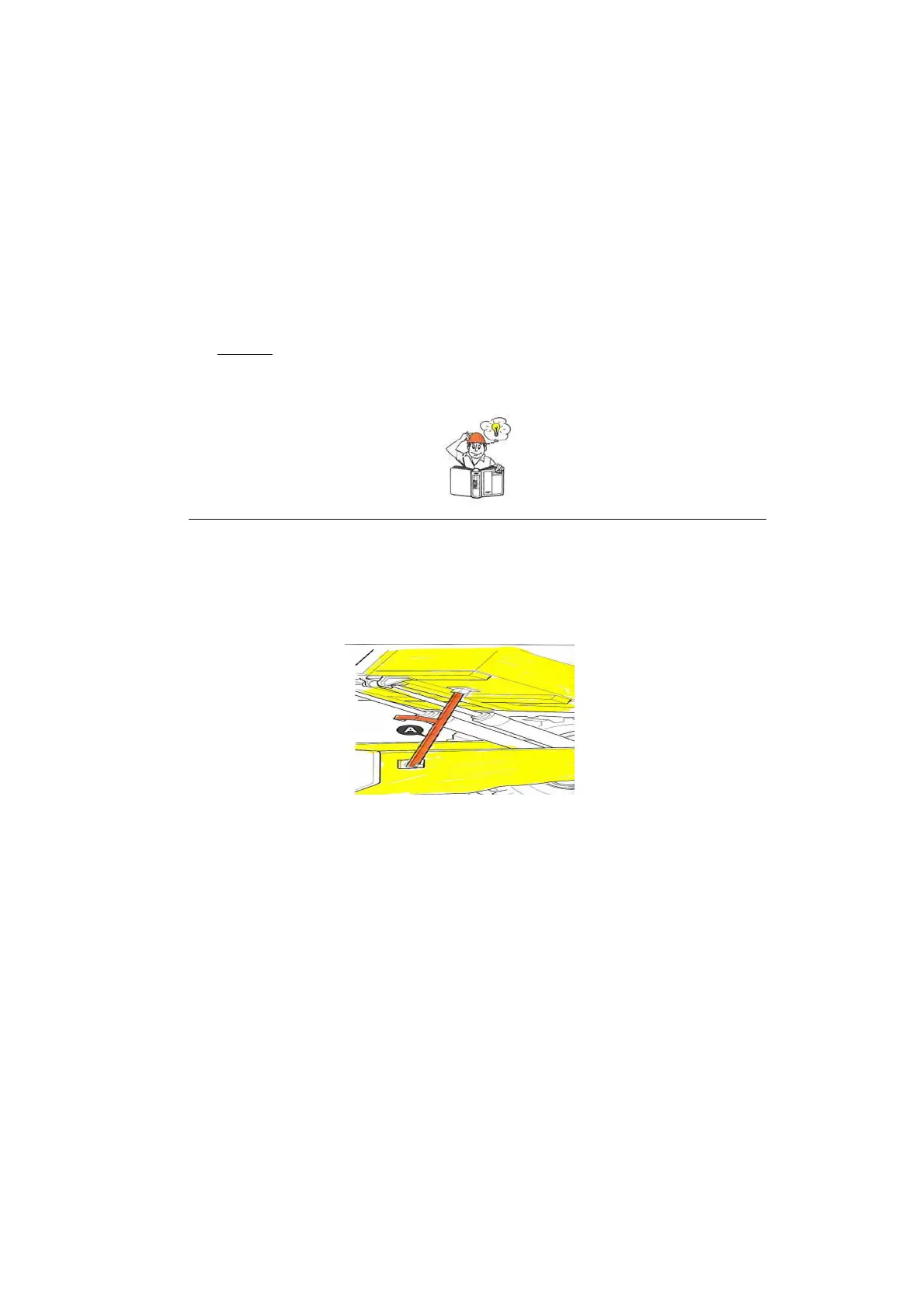
• If operator maintenance or servicing requires the operator to work beneath the raised skip then the skip
safety strut must be used to prevent the skip falling down and crushing the operator
Plant Stability-
• Travelling or operating the machine affects the stability. Overloading the machine, travelling across
slopes, carrying uneven loads, turning at speed, poor tyre pressure, too close to excavations can all lead to
instability and possible overturning.
• Centre of gravity- is the point of balance of a load or of the machine. The higher a load is lifted the higher
the centre of gravity of the machine goes. This can affect the stability of the machine. As the load moves forward
(i.e. as a Tele-handler booms out or a dumper tips the load) the centre of gravity moves forward this could cause
the machine to tip up if the machine is over loaded or not operated on suitable ground.
• Tyres- tyre condition can affect stability. The lugs or tread on a tyre provide grip assist steering and help with
breaking. Worn or bald tyres can cause skidding or sliding, make it difficult to steer and are more susceptible to
puncture. A damaged tyre could burst which would result in a loss of control and a possible accident
USING TRAILED EQUIPMENT/HITCHING UP TO A TRAILER-
• Check the trailer/implement is fit for purpose and compatible with the tractor and hitch system
• Check the condition of the hitch
• Line up the tractor and reverse back slowly. If using a Banks man ensure they are in a safe position and
use clear communication
4
SLL PLANT AND QUARRY TRAINING SERVICES LIMITED



 To Next Page
 Loading...