SonicWALL SonicPoint Getting Started Guide Page 9
Radio Frequency Barriers
Determining the location of RF barriers can be a painful part of
the placement process, but keep in mind that they can be used
beneficially in an attempt to block signals where you do not
want coverage.
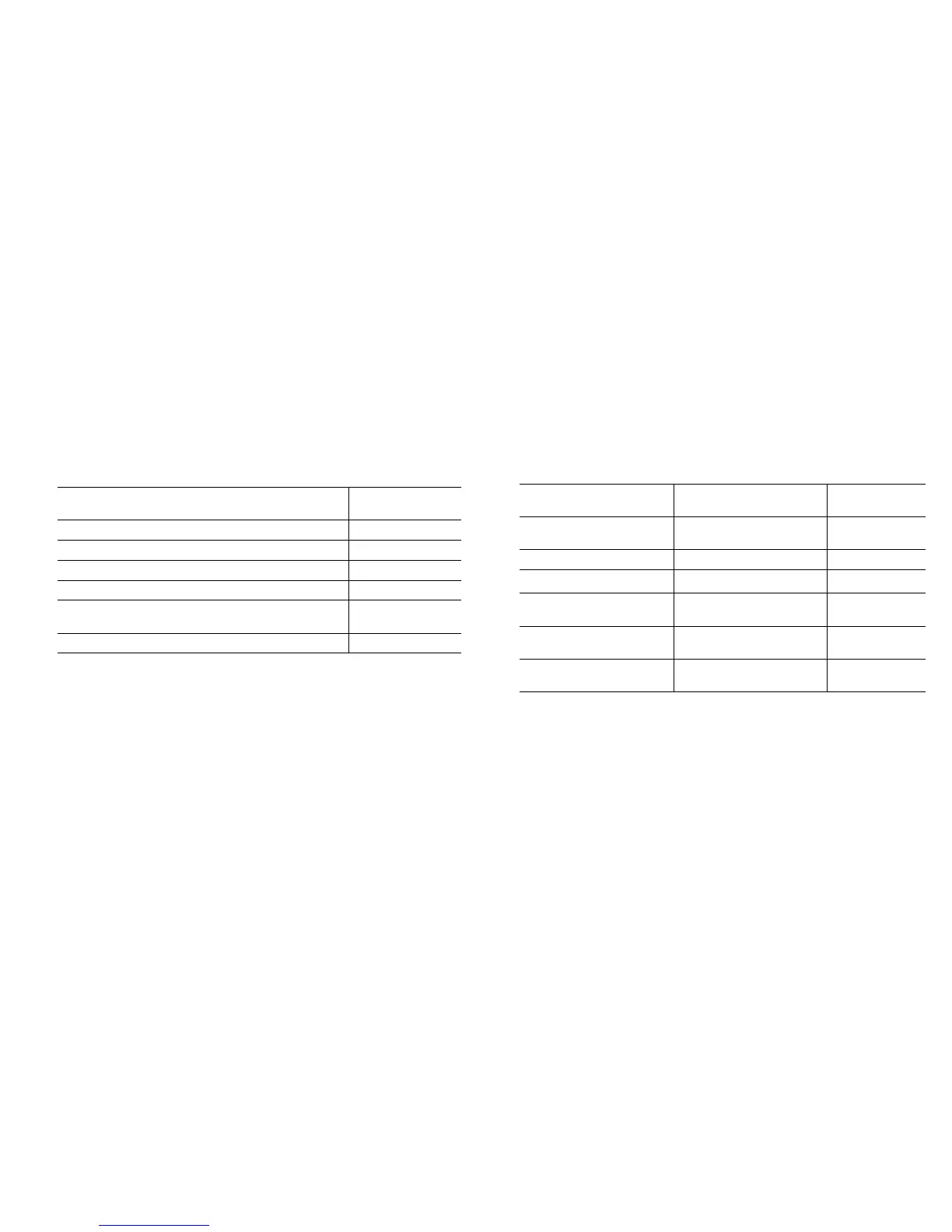
The following tables list some common RF barrier types:
RF Interference
RF interference from home, office, and medical equipment is a
common source of frustration in wireless deployments from the
smallest home office to the largest multi-building campus.
The following table lists several common sources of RF
interference:
Barrier Type RF Signal
Blocking
Open air Very Low
Glass, drywall, cube partitions Low
Stone floors and walls (brick/marble/granite) Medium
Concrete, security glass, stacked books/paper High
Metal, metal mesh (chicken wire), re-enforced
concrete, water
Very High
Faraday cage Extremely High
Interference Source Possible RF
Interference
Band(s)
Affected
2.4GHz phones Entire range (hundreds
of feet)
802.11b/g/n
Bluetooth devices Within 30 feet 802.11b/g/n
Microwave oven
a
a. Most newer model microwave ovens have sufficient shielding to
negate possible RF interference.
Within 10-20 feet 802.11b/g/n
Scientific and medical
equipment
Short distance, varies 802.11b/g/n
Off-network access
points
Entire range All
RF reflective objects Long-range wireless
bridging
All


 To Next Page