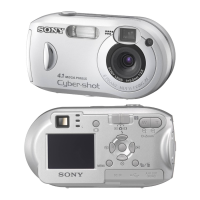
This document outlines a modification process for a Sony P41 digital camera, primarily focusing on adding an external power source and silencing the camera's shutter mechanism. The modification is presented as a DIY project, with explicit warnings about potential damage and the user's responsibility.
Function Description
The core function of this modification is to enable the Sony P41 camera to operate using an external power source, bypassing the need for internal batteries. Additionally, the modification includes a step to disable the shutter motor, effectively silencing the camera's operation. This makes the camera suitable for applications where quiet operation and continuous power are crucial, such as long-term surveillance, time-lapse photography, or integration into custom systems where battery changes are impractical or undesirable.
Important Technical Specifications
The document doesn't delve into specific technical specifications of the camera itself, but rather focuses on the modifications. Key aspects related to the modification include:
- Power Wires: The modification involves soldering power wires, approximately 3 inches long, to the camera's internal battery contacts. These wires are tinned heavily for better conductivity and ease of soldering.
- Solder Pads: The modification utilizes specific solder pads on the "Hagshouse shutter assembly" for connecting external control signals. These pads are identified as C (Power), P (Common), and S (Shutter).
- Ribbon Cables: The camera's internal structure relies on delicate ribbon cables, particularly for the power/shutter assembly. Extreme care is advised when handling these, as they are fragile and easily damaged.
- Voltage: A general warning about "high voltage" existing within the units is given, implying that the camera operates at voltages that require caution during modification.
- External Power Connection: While the exact connector type for external power isn't specified, the modification routes wires out of the camera's casing, suggesting a custom connection point.
Usage Features
The modification enhances the camera's usability in specific scenarios:
- Continuous Operation: By connecting to an external power source, the camera can operate for extended periods without interruption, eliminating the need for frequent battery replacements. This is ideal for applications requiring continuous monitoring or long-duration captures.
- Silent Operation: Disabling the shutter motor makes the camera completely silent during operation. This is a significant advantage in environments where noise is a concern, such as wildlife photography, covert surveillance, or quiet scientific setups.
- Remote Control (Implied): The presence of C, P, and S pads on the shutter assembly suggests the possibility of remotely controlling the camera's power and shutter functions. By shorting P to C, the camera turns on, and by shorting P to S, it triggers a picture. This opens up possibilities for integrating the camera into automated systems or custom remote control setups.
- Custom Integration: The modification allows for easier integration of the camera into custom enclosures or systems where the original form factor or battery compartment is not suitable. The external power and silent operation make it more adaptable.
Maintenance Features
The document provides insights into the maintenance aspects of the modification process itself, rather than ongoing camera maintenance:
- Pre-Modification Check: Before starting the modification, users are instructed to power on the camera, take a few pictures, and verify its operation and focus. This ensures the camera is functional before any irreversible changes are made.
- Careful Disassembly and Reassembly: The instructions emphasize careful handling of internal components, especially ribbon cables and the main board/lens assembly, to prevent damage during disassembly and reassembly.
- Solder Pad Protection: After successful modification, the solder pads on the shutter assembly are to be covered with electrical tape. This protects the connections from short circuits and environmental factors, ensuring the longevity of the modification.
- Wire Management: Instructions highlight the importance of routing wires neatly and flat within the camera's casing to prevent pinching, short circuits, or interference with the closing of the case. A small notch is cut in the camera's back to accommodate the wires, and they are secured with tape and goop for protection.
- Testing During Modification: The process includes a crucial step to test the modification's success before final reassembly. This involves using batteries to short the C, P, and S pads to verify power-on and shutter trigger functionality. This allows for troubleshooting before the camera is fully closed.
- Warning Against Direct Power to Shutter Assembly: A critical maintenance warning is given: "Never connect a power supply or battery to the shutter assembly's contacts as you will destroy the camera." This highlights the sensitivity of these specific pads and the importance of understanding their intended use for control signals rather than direct power.

 Need help?
 General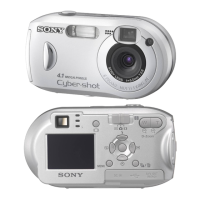





 To Next Page