This document is an assembly guide for the Specialized Turbo Active SL e-bike, providing instructions for out-of-the-box assembly and initial setup. It emphasizes safety, proper assembly techniques, and references to the comprehensive User Manual and Owner's Manual for more detailed information. The guide is not a substitute for professional service, repair, or maintenance, recommending an Authorized Specialized Retailer for such needs.
Function Description:
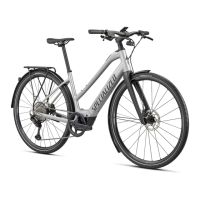
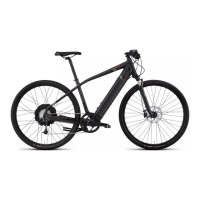
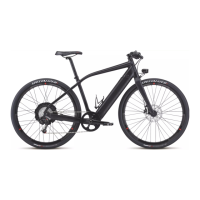
The Specialized Turbo Active SL is an e-bike designed for active use, featuring motor support that activates upon crank rotation and torque detection. This motor assist can engage even when not actively riding, such as when the bike is in a work stand or being pushed, highlighting the importance of powering off the system when not in use or during maintenance to prevent unintentional engagement. The assembly guide details the steps to prepare the bike for its first ride, including unpacking, installing wheels, handlebars, and pedals, and performing initial safety checks. It also covers the initial charging of the battery and connecting to the Mission Control app for rider registration and system management.
Important Technical Specifications:
While specific numerical technical specifications like motor power, battery capacity, or frame materials are not detailed within this assembly guide, it alludes to their existence and importance. Key technical aspects mentioned include:
- Torque Specifications: Critical for safety and component longevity. The guide states that torque specifications can be found in the user manual supplied with the bicycle or printed on the part near the bolt. General torque specifications may also be in the Owner's Manual. Incorrect tightening force can lead to component failure, loss of control, and serious injury.
- Wireless Components: Bicycles equipped with wireless components require charging before use. Users are directed to the component manufacturer's user manual for specific information.
- Thru-Axle: Used for securing both front and rear wheels. Proper greasing of the shaft (but not the threads) and tightening to specified torque settings are crucial for wheel security.
- Seatpost Minimum Insertion: Essential to prevent damage to the frame or seatpost. The seatpost must be inserted deep enough so that the minimum insertion/maximum extension mark is not visible, and it must meet or exceed the minimum measured insertion depth required by the frame. Failure to adhere to these requirements can result in frame/seatpost damage, loss of control, and falls.
- Tire Pressure: Tires must be inflated to the recommended pressure range, which is typically higher for e-bikes due to their extra weight. The guide advises checking tire sidewalls, wheel manuals, or rim decals for maximum pressure limits and warns against exceeding these limits to prevent tire blow-off and serious injury.
- Battery Charging: The bike arrives with a partially charged battery and requires a full charge before the first ride. The User Manual provides detailed safety information and instructions for proper charging. A critical warning is issued against moving the bike or rotating the crank arms while charging to prevent damage to the charger plug/port. If the rear wheel speed sensor magnet passes the speed sensor during charging, the battery will enter a safe state and stop charging; users are instructed to avoid rotating the rear wheel and to disconnect/reconnect the charger to resume charging.
- TCU (Turbo Control Unit) / MasterMind TCU: These units are used to power on the bicycle and connect to the Mission Control app for online rider registration and system management.
Usage Features:
The guide focuses on preparing the e-bike for safe operation, highlighting features related to initial use:
- Motor Support Activation: The motor support system activates as soon as the cranks are rotated and torque is detected. This feature requires the system to be powered off when not in use or during maintenance to prevent unintentional engagement.
- Assembly Instruction Video: A QR code is provided to access a comprehensive assembly instruction video in the user's language, facilitating the assembly process.
- Mission Control App Connectivity: The bike can be connected to the Mission Control app via the TCU or MasterMind TCU for rider registration and potentially for managing ride modes, tracking data, and diagnostics (though specific app features are not detailed here, they are implied by the "Mission Control" interface shown).
- Safety Checks: A comprehensive list of safety checks is provided for pre-ride inspection, including verifying the tightness of fasteners (seatpost, stem, handlebar), saddle height, wheel security and alignment, tire pressure, and brake function. These checks are crucial for ensuring the bicycle is safe to ride.
Maintenance Features:
While not a maintenance guide, the document touches upon aspects that relate to ongoing care and inspection:
- Regular Inspections: Users are advised to regularly inspect the bicycle for any damage to components and to replace worn or damaged parts or have them replaced by an Authorized Specialized Retailer.
- Periodic Tire Pressure Checks: Tires should be periodically checked and re-inflated using a pump with an accurate pressure gauge.
- Brake Pad Wear Check: Brake pads should be checked periodically for wear and replaced once they wear down to the wear line.
- Greasing: The guide specifies applying high-quality grease to the thru-axle shaft (but not threads) during wheel installation.
- Carbon Assembly Paste: For bicycles with carbon components, high-quality carbon assembly paste is to be applied as illustrated to increase friction, preventing slippage.
- Packaging Reuse: Users are encouraged to keep all packaging for future transportation of the bicycle.
- Recycling Guidelines: Instructions are given to follow local recycling guidelines for responsible disposal of packaging.
The guide consistently emphasizes the importance of consulting the User Manual and Owner's Manual for detailed information, safety warnings, and specific instructions not fully covered in this assembly guide. It also strongly recommends professional assistance from an Authorized Specialized Retailer for any complex assembly, service, or repair tasks.

 Need help?
 General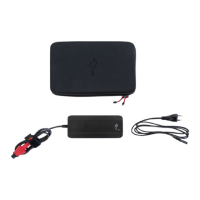



 To Next Page