5
CHAPTER 4: TURNNING THE SYSTEM ON
To turn the system on:
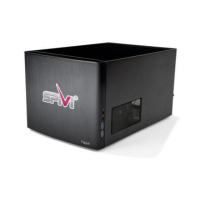
1. Turn on the Spivi Rendering Server (computer) by pressing once on the power button
(located at the front-right side)
2. Turn on the Xbox controller by pressing and holding the Silver button on the center of the
controller.
CHAPTER 5: RADIO FREQUENCY (RF) INTERFERENCE
Radio frequency (RF) interference with other devices may cause intermittent loss of
information. Wireless Internet access points, microwaves, cordless phones, or other wireless
devices may cause frequency interference. To mitigate the chance of interference, set
wireless access points to the lowest channel possible and keep the Spivi WIFI Bridge away
from interfering devices. To change the channel on the access point, please consult
manufacturer’s documentation.
Spivi utilizes ANT+ and BLE technologies to ensure a robust and reliable connection between
the various sensors used and our product. Sensors are defined as power meter sensors,
heart rate strap sensors, cadence sensors, speed sensors, and controlled resistance sensors.
Statement of Compliance for FCC and Industry Canada:
This device complies with Industry Canada and Part 15 of the FCC Rules. Operation is subject
to the following two conditions: (1) This device may not cause harmful interference, and (2)
this device must accept any interference received, including interference that may cause
undesired operation.
The term “IC” before the radio certification number only signifies that Industry Canada
technical specifications were met.
Changes or modifications to this device not expressly approved by the party responsible for
compliance with FCC regulations (the manufacturer) could void the user authority to operate
the equipment.
This equipment has been tested and found to comply with the limits for a Class B digital
device, pursuant to part 15 of the FCC Rules. These limits are designed to provide reasonable
protection against harmful interference in a residential installation. This equipment
generates uses and can radiate radio frequency energy and, if not installed and used in
accordance with the instructions, may cause harmful interference to radio communications.
However, there is no guarantee that interference will not occur in a particular installation.
If this equipment does cause harmful interference to radio or television reception, which can
be determined by turning the equipment off and on, the user is encouraged to try to correct
the interference by one or more of the following measures:


 To Next Page