Installation
Unpacking the washing machine
CAUTION: EXTREMELY HEAVY!
• A team lift or mechanical aid is required when moving this appliance.
• Keep the washing machine as upright as possible during transportation.
• This product has been packaged to protect it against transportation damage.
Remove all packaging materials from inside the drum and around the appliance.
• Keep the original packaging carton and materials in a safe place. It will help
prevent any damage if the product needs to be transported in the future, and you
can use it to store the appliance when it is not in use. In the event that the carton is
to be disposed of, please recycle all packaging materials where possible.
• Plastic wrapping can be a suffocation hazard for babies and young children, so
ensure all packaging materials are out of their reach and disposed of safely.
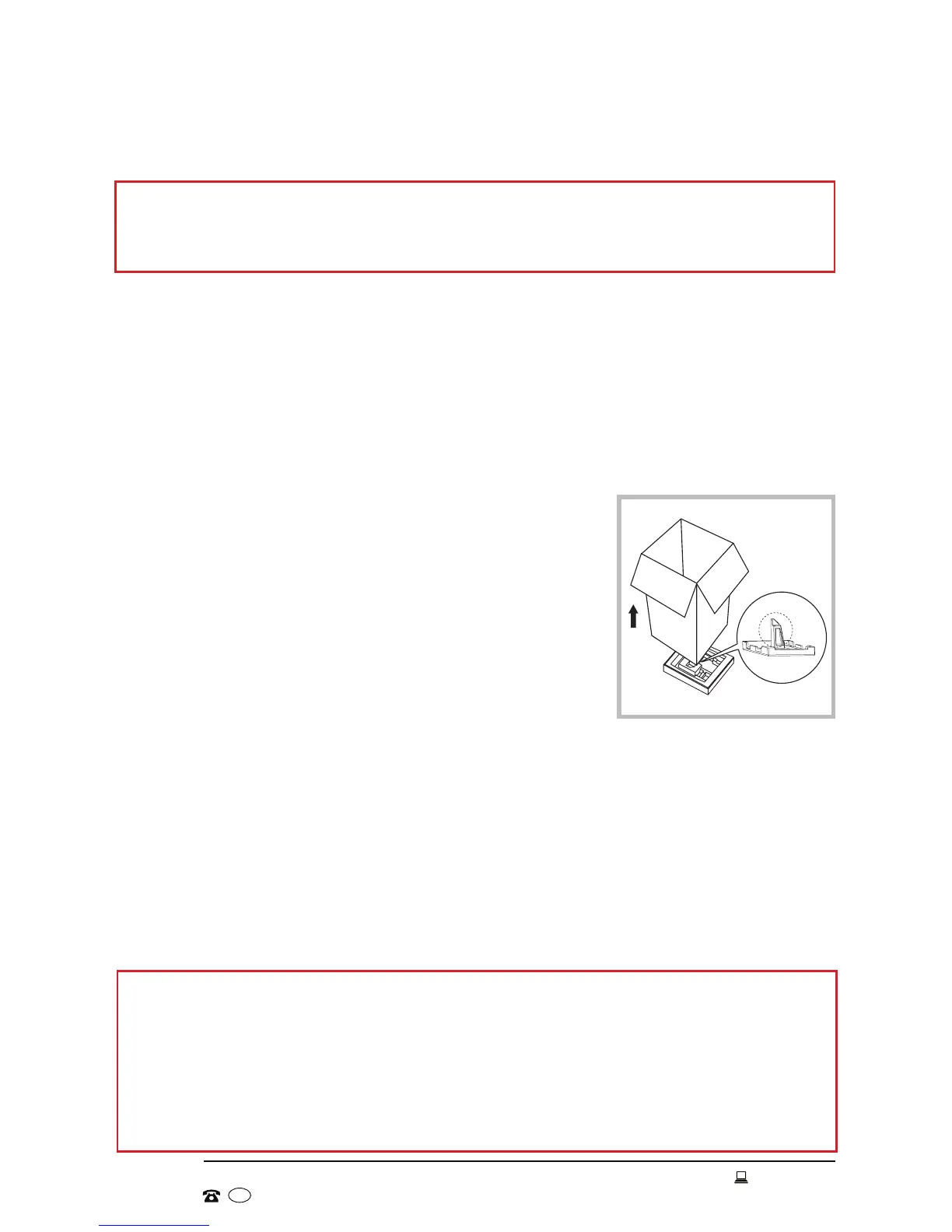
• Carefully lift the washing machine and remove the base
packing. Make sure the small triangle foam piece is
removed together with the bottom piece (Fig. 1). If not,
lay the unit down on its side, then remove the small
foam piece from the base of the unit manually.
• Remove the tapes securing the cord and drain hose.
• Remove all accessory parts from the drum.
Checking the package contents
• Check all parts of the package against the scope of
delivery list on the previous page and ensure you have received all items.
• Check the washing machine for any damage from transportation. Unwind the
power cord to its full length and inspect it for damage. Do not use the appliance
if the appliance or its cord have been damaged or are not working properly. In
case of damage, of if anything is missing, contact our after sales support centre for
advice on examination, repair or return of the damaged product.
• Read this manual to familiarise yourself with all the parts and operating principles
of the washing machine. Pay particular attention to the safety instructions on the
previous pages.
Fig. 1
WORKING CONDITION
• Do not operate the washing machine in temperatures outside its normal working
condition (0–40°C). Using it in temperatures below 0°C may damage the machine’s
inlet valve and draining systems.
• If the machine is stored in an area where the temperature drops to below 0°C,
transfer it to an area with a warmer ambient temperature before use and ensure no
residual water is frozen in hoses and pipes.


 To Next Page