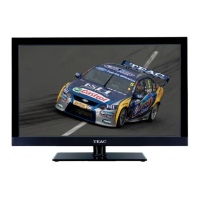
What to do if Teac LCD TV will not turn on?
- LLori KingAug 2, 2025
If your Teac LCD TV isn't turning on, first ensure the power cord is securely plugged in. If it still doesn't turn on, replace the remote control batteries, as they may be exhausted.
What to do if Teac LCD TV will not turn on?
If your Teac LCD TV isn't turning on, first ensure the power cord is securely plugged in. If it still doesn't turn on, replace the remote control batteries, as they may be exhausted.
Why is there no picture and no sound on my Teac LCD TV?
If you're experiencing a lack of picture and sound on your Teac LCD TV, check the cable connection between the TV and the antenna or any external AV device. Also, ensure you've pressed the power button on the remote. Try pressing the SOURCE button on the remote, then press the “Ÿ/?” button repeatedly to select the TV source.
What to do if Teac LE42C9FHD LCD TV picture is poor but sound is OK?
If you're experiencing poor picture quality but the sound is fine on your Teac LCD TV, start by checking the cable connecting your TV to the antenna or external AV device. If the issue persists, try switching to another channel, as the broadcast itself may be the problem. You can also adjust the brightness and contrast settings in the Video menu. Finally, ensure that your unit is set to PAL.

Instructions for setting up the TV, including placement for optimal viewing and ventilation.
Important safety information regarding electrical shock and operating instructions.
Cautions regarding product handling, placement, and environmental factors to prevent damage or hazards.
Cautions regarding unit stability, placement on furniture, and unplugging the power cord when not in use.
Instructions on how to attach the stand base set to the bottom of the TV using screws.
Details on screw size (M6) and depth (19mm) for wall mounting the TV using VESA holes.
Explanation of the functions of the buttons located on the TV's control panel.
Identification and description of the various input and output terminals on the TV.
Notes on connecting USB devices, including current output limits and mobile HD compatibility.
Detailed explanation of each button on the remote control and its function.
Step-by-step guide for the initial setup and tuning process of the TV.
How to select different input sources for the TV, such as HDMI, AV, and USB.
Guide to navigating the On-Screen Display (OSD) menu for various TV settings.
Adjustable picture settings including mode, brightness, contrast, sharpness, saturation, hue, and color temp.
Adjustable sound settings including mode, treble, bass, balance, surround sound, and EQ.
Settings for channel scanning, editing, favorite management, and signal information.
Procedure for manually scanning for digital TV channels and checking signal strength.
Procedure for manually scanning for analog TV channels, setting frequency and color system.
How to make personal changes to the program listings, such as deleting or renaming channels.
Functions for deleting, moving, and skipping channels within the channel list.
How to organize and manage favorite channels into groups for easy access.
Displays signal information for DTV mode, providing details about broadcast reception.
Setting up channel locks and parental ratings using a password for content control.
Configuring clock settings, power timers, and OSD display time.
Enabling automatic standby mode based on inactivity or lack of signal input.
Adjusting OSD language, audio languages, subtitles, and teletext settings.
Managing HDMI CEC features and accessing DVR settings for recording operations.
Option to erase all custom settings and return the TV to its factory default state.
Important precautions to follow when connecting and using USB storage devices with the TV.
Steps to select USB input and navigate the multimedia menu to play photos, music, and movies.
How to display photos, create slideshows, and manage background music during playback.
Instructions on selecting and playing audio files from a connected USB device.
How to select and play video files from USB, including full-screen viewing and playback controls.
How to play text files (e.g., .txt) from a USB drive and navigate through pages.
Details of supported file formats for movies, photos, and music, along with special notes.
Setting up the DVR function to record live DTV programs using an external USB drive.
How to view, play, delete, or zoom recorded programs from the recorded list.
Instructions and warnings for formatting USB drives to ensure compatibility with recording functions.
Setting up future program recordings using the Electronic Program Guide (EPG).
Using time shift to pause and resume live TV broadcasts due to interruptions.
How to display and navigate the EPG to view program information and select recordings.
Setting the mode, channel, start time, and end time for recording a selected program.
Technical specifications for HDMI input, detailing resolutions and horizontal/vertical frequencies.
Technical specifications for Component (YPbPr) input, detailing resolutions and frequencies.
Guide to resolving common problems like TV not turning on, no picture, or audio noise.
Instructions for setting up the TV, including placement for optimal viewing and ventilation.
Important safety information regarding electrical shock and operating instructions.
Cautions regarding product handling, placement, and environmental factors to prevent damage or hazards.
Cautions regarding unit stability, placement on furniture, and unplugging the power cord when not in use.
Instructions on how to attach the stand base set to the bottom of the TV using screws.
Details on screw size (M6) and depth (19mm) for wall mounting the TV using VESA holes.
Explanation of the functions of the buttons located on the TV's control panel.
Identification and description of the various input and output terminals on the TV.
Notes on connecting USB devices, including current output limits and mobile HD compatibility.
Detailed explanation of each button on the remote control and its function.
Step-by-step guide for the initial setup and tuning process of the TV.
How to select different input sources for the TV, such as HDMI, AV, and USB.
Guide to navigating the On-Screen Display (OSD) menu for various TV settings.
Adjustable picture settings including mode, brightness, contrast, sharpness, saturation, hue, and color temp.
Adjustable sound settings including mode, treble, bass, balance, surround sound, and EQ.
Settings for channel scanning, editing, favorite management, and signal information.
Procedure for manually scanning for digital TV channels and checking signal strength.
Procedure for manually scanning for analog TV channels, setting frequency and color system.
How to make personal changes to the program listings, such as deleting or renaming channels.
Functions for deleting, moving, and skipping channels within the channel list.
How to organize and manage favorite channels into groups for easy access.
Displays signal information for DTV mode, providing details about broadcast reception.
Setting up channel locks and parental ratings using a password for content control.
Configuring clock settings, power timers, and OSD display time.
Enabling automatic standby mode based on inactivity or lack of signal input.
Adjusting OSD language, audio languages, subtitles, and teletext settings.
Managing HDMI CEC features and accessing DVR settings for recording operations.
Option to erase all custom settings and return the TV to its factory default state.
Important precautions to follow when connecting and using USB storage devices with the TV.
Steps to select USB input and navigate the multimedia menu to play photos, music, and movies.
How to display photos, create slideshows, and manage background music during playback.
Instructions on selecting and playing audio files from a connected USB device.
How to select and play video files from USB, including full-screen viewing and playback controls.
How to play text files (e.g., .txt) from a USB drive and navigate through pages.
Details of supported file formats for movies, photos, and music, along with special notes.
Setting up the DVR function to record live DTV programs using an external USB drive.
How to view, play, delete, or zoom recorded programs from the recorded list.
Instructions and warnings for formatting USB drives to ensure compatibility with recording functions.
Setting up future program recordings using the Electronic Program Guide (EPG).
Using time shift to pause and resume live TV broadcasts due to interruptions.
How to display and navigate the EPG to view program information and select recordings.
Setting the mode, channel, start time, and end time for recording a selected program.
Technical specifications for HDMI input, detailing resolutions and horizontal/vertical frequencies.
Technical specifications for Component (YPbPr) input, detailing resolutions and frequencies.
Guide to resolving common problems like TV not turning on, no picture, or audio noise.