Section 120-0010
Transmission - Transmission and Mounting
6
SM 1574 12-98
high, the oil will aerate and the transmission will
overheat. It is absolutely necessary that the oil put into
the transmission be clean.
Oil must be handled in clean containers to prevent
foreign material from entering the system.
Note: Containers or fillers that have been used for
antifreeze or engine coolant solution must not be
used for transmission oil.
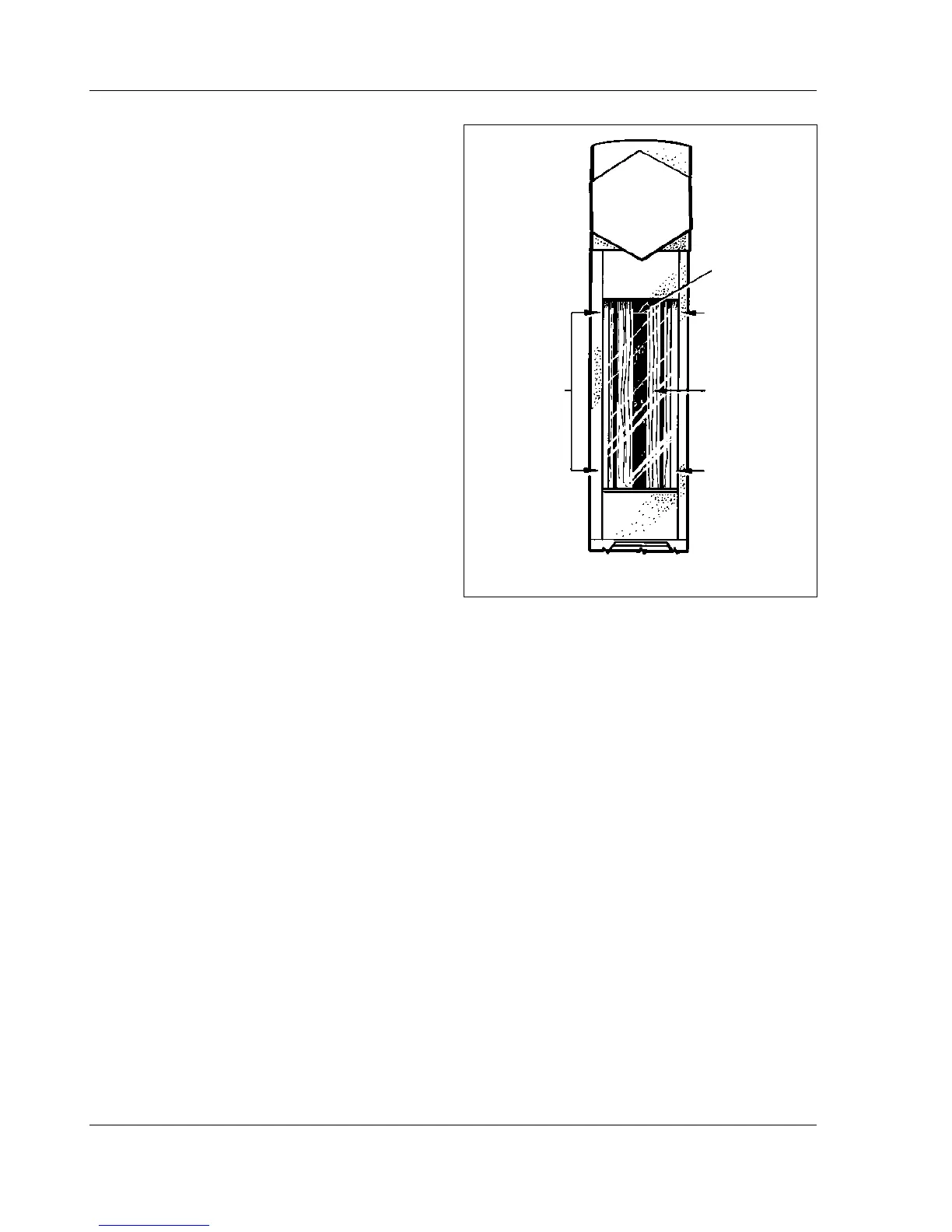
Visual Level Indicator
A visual level indicator is mounted on the lower left
side of the transmission main housing and provides a
method of checking the oil level. Refer to Fig. 2.
Cold Oil Level Check
Before starting the engine, check the visual level
indicator or remove the ADD (lower) plug. If oil is
present in the indicator or if oil flows from the plug
opening, the transmission has sufficient oil to permit
safe starting of the engine. If no oil is present, add
sufficient oil to bring the level within the indicator or
to cause a flow from the plug opening. Replace the
plug.
Hot Oil Level Check
Note: Observe the condition of the oil in the visual
level indicator or the type of flow from the plug
opening. Foaming or spurting may indicate a false
level.
A hot oil level check is made to determine if there is
sufficient oil for working operation of the
transmission. Select neutral on the transmission
range selector and start the engine. Operate the
vehicle until the transmission reaches a normal
operating temperature of 82 - 103° C (180 - 220° F).
Idle the engine, apply the parking brake and block all
road wheels.
Check the visual level indicator or remove the FULL
(upper) oil level check plug. The oil should be within
the indicator limits shown in Fig. 2 or at or near the
level of the plug opening. Add or drain oil as
necessary to bring the oil level within these limits.
Note: The transmission may be operated safely as
long as the oil level is above the ADD (lower) plug.
Oil and Filter Change
After the first 150 hours of operating a new or rebuilt
transmission, the transmission oil and filters should
be changed.
SM - 1250
RED LINE
SAFE
OPERATIONAL
LEVEL AREA
NO RED
LINE VISIBLE
(OVERFILL)
FULL MARK
(CENTRE)
NO OIL VISIBLE
(UNDERFILL)
The transmission oil and filters should be changed at
the intervals specified in Section 300-0020,
LUBRICATION SYSTEM, or sooner, depending on
operating conditions. Also, the oil must be changed
whenever there are traces of dirt or evidence of high
temperature indicated by discoloration or strong odour.
The screen and magnet assembly in the sump should
be removed and cleaned with mineral spirits at each
oil change. Metal particles in the oil (except for the
minute particles normally trapped in the oil filters)
indicate damage has occurred in the transmission
When these particles are found in the filters, the
cause must be established and rectified immediately
to prevent damage to the transmission.
At each oil change, examine the used oil for evidence
of dirt or water. A normal amount of condensation will
emulsify in the oil during operation of the
transmission. However, if there is evidence of water
or engine coolant in the oil, the cause must be
established and rectified immediately to prevent
damage to the transmission.
Fig. 2 - Visual Level Indicator


 To Next Page
 Loading...