
 Need help?
Do you have a question about the Toro Recycler 21311 and is the answer not in the manual?
Explains the purpose and meaning of the safety-alert symbol and associated warning words.
Provides essential safety precautions for operating the lawn mower.
Details the location and meaning of various safety decals on the machine.
Step-by-step guide for attaching and securing the mower handle.
Instructions for correctly seating the recoil-starter rope in its guide.
Procedure for checking and filling the engine with the correct oil.
Steps to attach the grass bag to the mower for clippings collection.
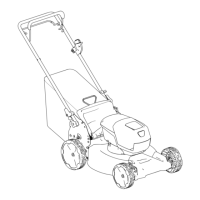
Identifies key components and parts of the lawn mower.
Crucial safety checks and considerations before starting the mower.
Guidelines for safely adding unleaded gasoline and fuel safety precautions.
Procedure for verifying the engine oil level before each use.
Instructions on how to set the desired grass cutting height for the mower.
Safety practices to follow while the mower is in use.
Steps for safely starting the lawn mower engine.
Procedures for safely stopping the mower's engine.
Information on how the machine handles grass and leaf clippings.
Advice and best practices for efficient and safe mowing.
Safety measures to take after finishing mowing operations.
Tasks to perform after mowing, including cleaning and handle folding.
Outlines the maintenance tasks and their recommended service intervals.
Critical safety precautions to observe during maintenance procedures.
Steps to safely prepare the machine before performing maintenance.
Procedures for servicing key engine parts like the air filter and oil.
Instructions for safely removing and installing the mower blade.
Safety guidelines for storing the lawn mower.
Steps to take to prepare the mower for long-term storage.
Procedures for taking the mower out of storage and preparing it for use.
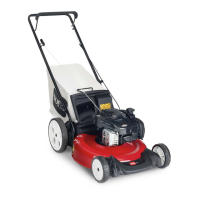
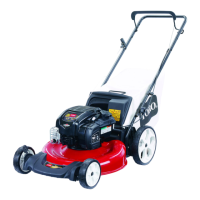
This document is an operator's manual for the Toro 21in Recycler®/Rear Bagging Lawn Mower, Model No. 21311. It provides comprehensive information for residential homeowners on the safe and proper operation, maintenance, and storage of the rotary-blade, walk-behind lawn mower.
The Toro 21in Recycler®/Rear Bagging Lawn Mower is designed primarily for cutting grass on well-maintained residential lawns. Its core function is to efficiently cut and manage grass clippings, offering two main modes of operation: recycling and bagging. In recycling mode, the machine processes grass and leaf clippings, returning them to the lawn as natural fertilizer. Alternatively, users can opt for bagging mode to collect clippings in the attached grass bag for disposal. The mower is equipped with a recoil-start engine, requiring manual pulling of a rope to initiate operation. Safety features, such as a blade-control bar, ensure that the engine and blade stop quickly when released, preventing accidents. The machine also incorporates an adjustable cutting height mechanism, allowing users to customize the lawn's appearance.
The manual emphasizes safe and effective usage, starting with initial setup procedures. Users must install the handle, ensuring cables are properly routed to avoid damage, and secure it in the operating position. The handle height is adjustable for user comfort. The recoil-starter rope must be correctly installed in its guide for safe engine starting. Before each use, it is crucial to check the engine-oil level and fill the fuel tank with clean, fresh unleaded gasoline, preferably with a fuel stabilizer/conditioner to prevent starting problems. The cutting height can be easily adjusted by setting all wheels to the desired level, but this must be done with the engine off and all moving parts stopped to avoid contact with the sharp blade.
During operation, the manual advises wearing appropriate safety gear, including eye and hearing protection, long pants, and slip-resistant footwear. Users should maintain full attention, avoid distractions, and never operate the machine while ill, tired, or under the influence. It is critical to keep hands and feet away from moving parts and the discharge opening. Bystanders and children must be kept out of the operating area. The mower should only be operated in good visibility and appropriate weather conditions, avoiding wet grass or leaves to prevent slipping. When mowing slopes, users are instructed to mow across the face of slopes, not up and down, and to exercise extreme caution when changing direction. Blind corners, shrubs, trees, and other objects should be approached with care. The discharge material should never be directed toward anyone, and the blade should be stopped when crossing gravel surfaces. If the machine strikes an object or vibrates excessively, the engine must be shut off immediately, and the machine inspected for damage before resuming operation.
For optimal grass cutting, the manual recommends cutting only about a third of the grass blade at a time and avoiding cutting below 51 mm (2 inches) unless the grass is sparse or growth is slow. For tall grass, it suggests mowing at the highest setting first, then at a lower setting for a better finish. Wet conditions should be avoided as they can cause clogging and stalling. Regular alternation of mowing direction helps disperse clippings for even fertilization. If the lawn appearance is unsatisfactory, users can try replacing or sharpening the blade, walking at a slower pace, raising the cutting height, or cutting more frequently with overlapping swaths. When cutting leaves, ensure that half of the lawn shows through the cut leaf cover, which may require multiple passes.
The manual provides a detailed maintenance schedule to ensure the machine's longevity and safe operation. Before each use or daily, users should check the engine-oil level and verify that the engine shuts off within 3 seconds of releasing the blade-control bar. After each use, it is important to clean grass clippings and dirt from under the machine. The manual outlines a procedure for cleaning under the machine by spraying water in front of the right, rear wheel with the engine running and blade engaged, then running the engine for a few minutes to dry the underside.
Every 25 hours, or yearly (whichever comes first), the air filter should be serviced, and more frequently in dusty conditions. The manual describes how to lift a tab to open the air-filter cover, replace the filter, and close the cover. Yearly maintenance also includes replacing the air filter, replacing or sharpening the blade, and cleaning the engine by removing dirt and debris from its top and sides. The blade is sharp, so gloves must be worn during servicing, and a torque wrench is required for proper installation. The manual provides instructions for removing the old blade, positioning the new blade with curved ends pointing toward the housing, and tightening the blade bolt to the specified torque.
While changing the engine oil is not strictly required, the manual provides a procedure for those who wish to do so. It recommends running the engine for a few minutes to warm the oil, then tipping the machine on its side (with the air filter up) to drain the used oil from the oil-fill tube. After draining, users should carefully pour about 3/4 of the specified oil capacity, wait 3 minutes for it to settle, and then check the level with the dipstick, adding more oil if needed.
For yearly storage or before storage, the fuel tank should be emptied. The manual advises adding fuel stabilizer/conditioner to fresh fuel on the last refueling of the year, then running the machine until the engine shuts off from lack of fuel. The spark plug wire should be disconnected, and the spark plug removed. A small amount of engine oil should be added through the spark-plug hole, and the starter rope pulled slowly several times to distribute the oil, preventing cylinder corrosion. The spark plug is then loosely installed, and all nuts, bolts, and screws are tightened. When removing the machine from storage, users should check and tighten all fasteners, remove the spark plug to spin the engine and blow out excess oil, reinstall and tighten the spark plug, perform any necessary maintenance, check the engine-oil level, fill the fuel tank with fresh fuel, and connect the spark plug wire.
Throughout the manual, emphasis is placed on using genuine Toro replacement parts and accessories to ensure optimum performance and safety, as parts from other manufacturers could be dangerous and void the product warranty.
 General
| Engine Displacement | 163 cc |
|---|---|
| Drive Type | Self-Propelled |
| Starter | Recoil |
| Deck Material | Steel |
| Cutting Height Adjustment | Single Lever |
| Mulching Capability | Yes |
| Bagging Capability | Yes |
| Side Discharge Capability | Yes |
| Starter Type | Recoil |
| Oil Type | SAE 30 |
| Engine | Briggs & Stratton® |
| Cutting Height | 1.0 - 4.0 inches |
| Weight | 80 lbs |
| Fuel Tank Capacity | 0.25 gallons |
| Wheel Size | Front 8" / Rear 11" |
| Oil Capacity | 20 oz |



 To Next Page