The TrailMaster Blazer4 150X/200X is a go-kart designed for recreational use, requiring assembly by a mechanic or experienced customer. This instruction manual outlines the step-by-step process for proper assembly, ensuring a correct setup of the vehicle. It's crucial to note that all information provided in this instruction is for reference only, and users should possess the necessary tools and knowledge before attempting assembly.
Function Description:
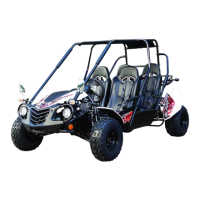
The TrailMaster Blazer4 150X/200X is a four-seat recreational go-kart, likely intended for off-road or track use, given its robust suspension and cargo rack. Its primary function is to provide an enjoyable driving experience for multiple passengers. The assembly process covers various critical components, from suspension and wheels to the fuel system, seating, and safety features like seatbelts and roll cage bars. The inclusion of a rear cargo rack suggests utility beyond just passenger transport, potentially for carrying gear or supplies.
Important Technical Specifications:
While specific engine details are not provided in the given pages, the model names "150X" and "200X" typically refer to engine displacement, suggesting options for 150cc and 200cc engines, respectively. The manual provides several torque specifications crucial for safe and correct assembly:
- Rear Shocks: 37-44 NM (Newton Meters) or 0.74 lb ft (pound-feet) for fixing shocks to the frame.
- Front Lower Suspension Arm: 55-62 NM for screwing the castle nut, with a 2.5x25 cotter pin for securing.
- Rear Wheels: 98-103 NM for the M16x1.5 castle nut, secured with a 3x40 cotter pin. Tire nuts are to be tightened with 37-44 NM torque.
- Front Wheels: 37-44 NM for fixing tire bolts.
- Fuel Tank: 22-29 NM for M8x25 bolts.
- Roll Cage Bars: M8x55 bolts with R-washers and M8 nuts for fixing to the frame and rear cargo rack.
- Rear Cargo Rack: M8x55 bolts with R-washers and M8 self-locking nuts for attaching to the rack support arms and frame.
These torque values are critical for ensuring the structural integrity and safety of the go-kart. The use of cotter pins in suspension and wheel assemblies indicates a focus on preventing nuts from loosening due to vibration during operation.
Usage Features:
The Blazer4 150X/200X is designed for multi-passenger use, featuring four seats with seatbelts, suggesting it's suitable for families or groups. The assembly instructions highlight several features that contribute to its usability:
- Suspension System: Independent front and rear suspension (rear shocks, front lower suspension arm) are assembled, indicating a design for absorbing bumps and providing a smoother ride, likely suitable for varied terrains.
- Wheels and Tires: Both front and rear wheels are installed with specific torque requirements, emphasizing stability and safety during operation. The mention of paying attention to the "right direction of wheel installation" for rear wheels suggests directional tires, which are common in off-road vehicles for optimal traction.
- Cargo Capacity: The inclusion of a rear cargo rack enhances the utility of the go-kart, allowing users to transport items.
- Lighting: The connection of tail light wiring and turn lights indicates that the vehicle is equipped for visibility, potentially for use in low-light conditions or areas where signaling is required.
- Seating and Safety: The assembly of seatbacks and seatbelts underscores the importance of passenger comfort and safety. The roll cage bars provide overhead protection in case of a rollover.
- Fuel System: The connection of fuel and vacuum tubes is a standard setup for internal combustion engines, ensuring proper fuel delivery.
- Steering: The assembly of the steering wheel adapter and steering wheel provides the driver with control over the vehicle.
- Canopy Top: The canopy top with foam padding offers protection from the elements, such as sun or light rain, enhancing rider comfort.
Maintenance Features:
The manual implicitly suggests several maintenance considerations through its assembly instructions:
- Regular Torque Checks: The emphasis on specific torque values for various fasteners implies that these should be periodically checked and re-tightened to prevent loosening, especially after initial break-in period or heavy use. This is a common maintenance practice for vehicles subjected to vibration and stress.
- Battery Maintenance: The detailed instructions for installing the battery, including adding battery liquid and connecting wires, highlight the need for proper battery care. The warning about the dangers of battery liquid and wiring suggests that battery checks and replacements should be handled with caution, ideally by experienced individuals using protective gear.
- Fuel System Inspection: The connection of fuel and vacuum tubes implies that these components should be inspected for leaks or damage during routine maintenance.
- Tire Direction: The instruction to pay attention to the "right direction of wheel installation" for rear wheels suggests that tire rotation or replacement should also consider this directional aspect for optimal performance and wear.
- Cable Management: The instruction to "bundle the cables" after connecting turn light wirings points to the importance of organized wiring, which helps prevent damage, chafing, and electrical issues, thus simplifying future troubleshooting and maintenance.
- User Manual Reference: The concluding statement, "Before driving please read the user manual of TrailMaster Go-kart Blazer4 150X/200X carefully, you will be given with important safety information and advices," strongly indicates that the full user manual contains comprehensive maintenance schedules, troubleshooting guides, and safety precautions that are essential for the long-term care and safe operation of the go-kart.
In summary, the TrailMaster Blazer4 150X/200X is a versatile, multi-passenger go-kart designed for recreational use, with a focus on robust construction and safety features. Its assembly requires careful attention to detail and adherence to specified torque values, and its ongoing maintenance will involve regular checks of critical fasteners, battery care, and adherence to the guidelines provided in the comprehensive user manual.

 Need help?
 General








 To Next Page