7
INSTALLATION
INSTALLATION
Installation of the water heater must comply with the following British Standards and Regulations:
Current I.E.E. Regulations
Local water undertaking By-laws.
Health and Safety at Work Act
The installer should be aware of his responsibilities under the Act and provide where necessary, appropriate protection for
persons carrying out the installation. In the interests of safety, a competent engineer should install the boiler and all wiring must
be carried out in accordance with current IEE regulations.
IMPORTANT
ALL ELECTRICAL WORK MUST BE CARRIED OUT BY A QUALIFIED ELECTRICAL ENGINEER TO CURRENT IEE WIRING
REGULATIONS.
NOT TO BE INSTALLED IN A SHOWER COMPARTMENT OR BATHROOM.
DO NOT INSTALL IN AREAS WHERE THERE IS A RISK OF FREEZING.
It is advised the water heater is located as close to the outlet as possible to avoid long draw offs and heat loss.
The appliance must be permanently connected to the electrical supply through an isolating switch with a contact separation of
no less than 3mm in all poles.
Isolate electrical and water supply before installation.
The appliance must be earthed.
Wall Mounting
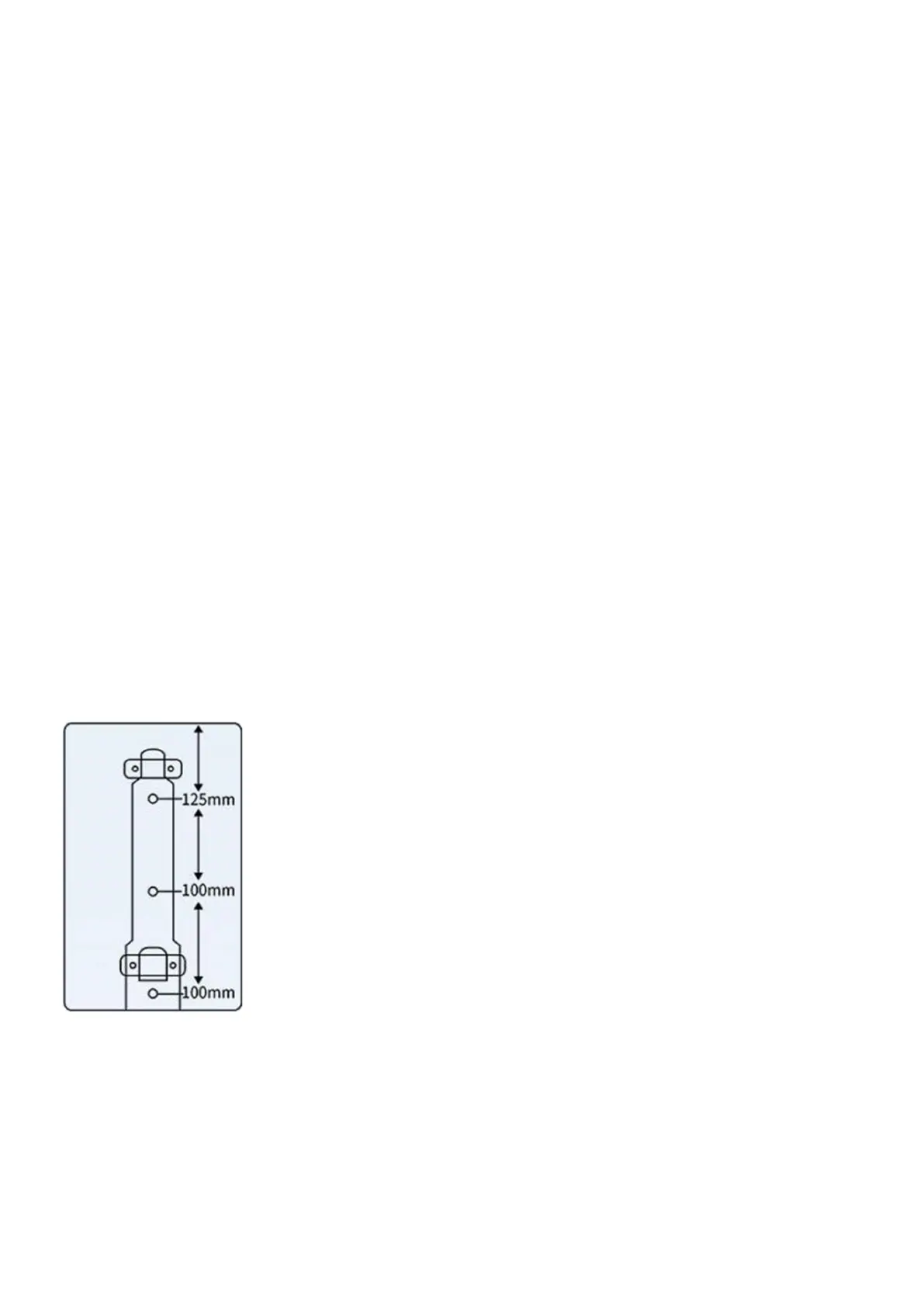
Attach the wall bracket to a suitable wall able to hold the weight of the water heater when filled
with water.
Be careful to avoid concealed electrical cables and water pipes.
Once the bracket is secure slide the water heater on to the bracket.
The water heater should be mounted horizontally with the inlet and outlet connections at the
bottom of the heater.
Pipe Work Connection
Before connecting the pipe work, it is important to flush the pipes to remove any debris and flux residue.
The inlet supply pipe work MUST incorporate an isolation valve and inline anti scale device.
It might be necessary to obtain the best performance from the heater to restrict the flow rate at the outlet or fit a flow control
valve on the inlet pipe to the heater.



 To Next Page