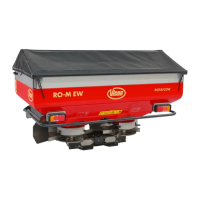
Safety Page: 7 For your safety Introduces general safety instructions and emphasizes the importance of following them.
Other guidelines Lists additional rules and regulations to be followed for safe operation and maintenance.
Warning stickers Details the importance of safety stickers and their proper maintenance and replacement.
Safety requirements Outlines all permitted and non-permitted requirements for machine usage, maintenance, and repair.
Intended use Specifies the exclusive purpose of the machine and clarifies what constitutes irregular application.
Person Defines the user's responsibilities and qualifications for operating the machine safely.
Authorisation Specifies that only authorized and trained personnel are permitted to operate the machine.
Clothes;protection Advises on appropriate clothing and personal protective equipment for safe operation.
Workplace Details safety considerations for the operating environment and number of operators.
Tractor Covers essential checks and requirements for the tractor used with the machine.
Required details Lists specific details needed to calculate minimum requirements and actual axle loads.
Calculations Provides formulas for calculating actual total weight, front axle load, and rear axle load.
Machine Covers pre-operation checks, operational limitations, and safe practices related to the machine itself.
Safety decals Emphasizes the importance of safety decals and instructions for their maintenance.
Coupling shaft Addresses safe use, mounting, and protection of the coupling shaft to prevent injuries.
Hydraulic system Highlights high pressure risks, safe practices, and maximum pressure limits for the hydraulic system.
Use Outlines conditions for machine use, including training and safe operating practices.
Transport Provides guidelines for safe transport, including checks and driving behaviour.
On the field Details safe operational practices while working in the field.
Maintenance Covers safe maintenance practices, authorized personnel, and use of original parts.
Getting familiar with the machine Page: 25 Environment Mentions compliance with environmental standards for the fertilizer spreader.
Adjust carefully Guides on setting application rate and working width independently for precise adjustments.
Application rate Details how to adjust dosing quantities using dosing knobs and plates for accurate application.
Fine dosing Explains the use of fine application kits for low application rates and improved spreading.
Transverse distribution Covers how the discharge point adjustment affects the spreading pattern and transverse distribution.
Spreading pattern Describes achieving optimum fertilizer distribution with minimum environmental impact through settings.
Technical specifications Provides detailed technical data including hopper capacity, weight, working width, and lubrication.
Sound level Lists sound levels in dB for different operating conditions, with and without a cabin.
Miscellaneous Includes tractor power requirements and number of hydraulic control valves needed.
Before first use Page: 33 Mounting instructions Guides on unpacking, assembling parts and accessories, and using proper hoisting equipment.
Vanes Explains vane combinations required for different working widths and their mounting procedure.
Hopper extension Describes how hopper extensions increase load capacity and their components.
Hopper cover Details the mounting of the hopper cover for protection against weather and spray.
tramline cylinder Guides on mounting the tramline cylinder and its bracket onto the linkage pin plates.
topdressing set Instructs on mounting the topdressing set on linkage pin plates, noting its dual function with the tramline cylinder.
Calibration container Explains the use of the calibration container for controlling dosing settings and the mounting procedure.
Tractor provisions Lists tractor requirements such as carrying capacity, power lift, and hydraulic control valves.
power lift Details requirements for the tractor's three-point power lift and the use of stabiliser rods or chains.
Connecting to the tractor Page: 45 Check the coupling shaft Lists points to check on the coupling shaft, including damage, lubrication, and overlap, before attaching the PTO shaft.
Connecting the machine Details the process of connecting the machine to the tractor's power lift, emphasizing correct sequence and adjustments.
Preparation Lists steps for preparing the tractor and machine for connection, including hook alignment and pressure release.
Front power lift Specifies conditions for connecting the machine to the front power lift, including lifting power and load capacity.
electric plugs Details safe connection of electric plugs and cables, ensuring they are not pinched or damaged.
To be done before spreading Page: 52 Determining distribution Explains how to determine fertilizer granule distribution using a distribution meter and interpret the results.
Online spreading chart service Explains how to use the online service to find fertilizer settings, including inputting characteristics and working parameters.
Setting the spreader Provides instructions on setting the spreader based on selected spreading charts, including vane combination and discharge point.
Select spreading chart Lists the details needed to select the correct spreading chart and find the corresponding settings.
Example Presents a practical example of setting the spreader based on fertilizer details, working width, and driving speed.
Working width Explains the importance of selecting the correct working width and how it's adjusted by vanes and discharge point.
Vane combination Details how vane length determines working width and which combinations to use for different widths.
Discharge point Guides on correctly setting the discharge point to achieve a good spreading pattern and working width.
Application rate Explains how to set the dosing setting using dosing knobs and plates for the desired application rate.
Fine application Explains the use of fine application for low rates to prevent blockages and ensure accurate spreading.
Dosing setting Outlines how to read and set the dosing setting from spreading charts or calculate it.
Setting the spreader Summarizes the steps for setting the discharge point and dosing settings, followed by a calibration test.
Inclination Discusses setting the spreader's angle using the top link for optimal spreading and top dressing.
PTO shaft rpm Notes that PTO shaft RPM is typically constant but may need adjustment for border spreading.
Filling Provides instructions and safety precautions for filling the machine with fertilizer.
Loading height Advises on filling the spreader to the correct levels and using load platforms if necessary.
Working method Details the procedure for filling the machine, including safety checks and using correct tools.
Calibration test Explains the purpose and procedure of calibration tests to verify dosing settings and flow rates.
Material required Lists all necessary materials for performing spreading pattern tests.
General instructions Provides general guidelines for conducting spreading pattern tests safely and accurately.
Assessment Explains how to record and compare test results from spreading pattern tests.
Adaptation Outlines adjustments to be made if spreading patterns are uneven or differ significantly.
Review and adaptation Describes how to interpret test results and make necessary adaptations to spreader settings.
Review and adaptation Explains how to review spreading pattern test results and adapt settings for border spreading.
Adaptation Provides steps for adapting settings if spreading pattern differences exceed acceptable limits.
Review and adaptation Explains how to interpret results and adapt settings for tramline cylinder border spreading.
Use in the field Page: 97 Spreading height Explains how to set the correct height of the spreader above the crop or ground for optimal spreading.
Last setting check Provides a checklist for final settings to ensure good spreading results before operation.
Set tramlines Explains the importance of setting tramlines for preventing driving mistakes and ensuring good distribution.
Tramline patterns Discusses how preferred border spreading methods determine the tramline pattern.
Spreading Details the procedure for starting spreading after all preparations are made, including PTO engagement and opening dosing units.
Over and underdosing Explains how driving speed affects fertilizer application rate, leading to over or underdosing.
Border spreading Discusses spreading fertilizer to the property border for maximum cover and minimum loss.
Driving pattern Describes two different driving patterns for using the border spreading plate and tramline cylinder.
Working method Outlines steps for working with the tramline cylinder, including PTO speed and spreader adjustments.
Stopping work Lists essential steps to perform immediately after working and before road transport.
Failure and stoppage Covers safety precautions and troubleshooting steps for common machine failures and stoppages.
Causes Identifies probable causes for machine failures like blockages due to objects or damp fertilizer.
Damage Advises on identifying and repairing damage to components like vanes or discharge bushings, likely caused by hard objects.
stoppage Details troubleshooting steps for stoppages caused by encrusted fertilizer layers, including filter access and hopper emptying.
Maintenance Page: 123 Maintenance intervals Provides a schedule for various inspection, lubrication, and replacement tasks based on time or usage.
Oil and grease content Details the correct types and quantities of oil and grease for lubrication points, and waste disposal.
Coupling shaft Covers lubrication of coupling shaft nipples and checks on protection sleeves and chains.
Cylinder dosing system Explains the lubrication of grease nipples on the hydraulic cylinders of the dosing units.
Gear boxes Discusses the sealed nature of gearboxes and when grease replacement might be necessary.
Connectors Advises on applying lubricant to connectors for border spreading and pattern tests to prevent corrosion.
Torques Provides a table of torque guidelines for various bolt and nut types and sizes.
Checking bolts and nuts Emphasizes regular checks of bolts and nuts to prevent damage from vibrations and potential injury.
Checking the hydraulic system Details safety procedures for checking the hydraulic system, including high pressure risks and safe working practices.
Replacement intervals Advises on regular inspection and timely replacement of hydraulic system components like hoses.
Inspection criteria Lists criteria for inspecting hydraulic hoses and when they must be replaced.
Replacing Guides on the procedure for replacing hydraulic hoses, including depressurizing and careful reinstallation.
Accessories Page: 142 General States that accessories adapt the machine to tractor or working conditions, warning against non-genuine parts.
tramline cylinder Describes the tramline cylinder as a solution for reasonable border spreading and as a topdressing set.
Cat. I pin set Explains the availability of a Cat. I pin set for connecting the machine to small tractors and ensuring stability.
Border spreading plate Details the function of the border spreading plate for one-side boundary and tramline spreading.
Calibration container Highlights the calibration container as an essential tool for obtaining accurate application rate settings.
Topdressing set Explains the topdressing set's function for lifting the spreader and its compatibility with tramline cylinders.
Hopper extensions Describes how hopper extensions increase loading volume and the need to consider weight and height changes.
Hopper cover Details the hopper cover's role in protecting fertilizer from humidity and dirt.
Trailer Mentions the availability of trailers for carrying large volumes and the increase in loading height.
Drain kit Notes the availability of a drain kit for quick hopper emptying.
Lights Mentions the availability of lights for compliance with public road transport regulations.
Fine dosing Explains the benefit of fine dosing for spreading small quantities like seeds and pellets to avoid blockages.
Angle indicator Describes an available angle indicator for quickly setting the spreader's forward tilt.


 To Next Page
 General