
 Need help?
Do you have a question about the Wayne-Dalton 5150 and is the answer not in the manual?
The Wayne Dalton Windload Post, models 5150, 5200, 8300, and 8500, is a critical safety component designed to reinforce garage doors against high wind conditions. Its primary function is to provide additional structural support to the garage door, preventing it from buckling or failing during severe weather events. This post acts as a vertical brace, connecting the garage door to the header and the floor, thereby distributing wind pressure more effectively across the door's structure.
The Windload Post system works by creating a rigid connection between the garage door and the building's structural elements. When high winds exert pressure on the garage door, the post transfers these forces directly to the header and the concrete floor, significantly reducing the stress on the door panels and hinges. This reinforcement is crucial for maintaining the integrity of the garage door opening, which is often a vulnerable point in a building's envelope during hurricanes or strong storms.
The installation process involves several key steps that ensure the post's effectiveness. First, a header lock bracket is securely attached to the header above the garage door. This bracket serves as the upper anchor point for the post. The bracket is positioned to align with the intermediate hinges of the garage door, ensuring that the reinforcement is applied at critical stress points. It's important to remove any sacrificial material like drywall from the header before installation to ensure a direct and strong connection with the structural wood, with lag screws penetrating at least 1-1/2 inches.
Next, the inner and outer post sections are assembled. The top plate extension, which is part of the post assembly, is then bolted to a top lock plate. This assembly is designed to slide into the header lock bracket, allowing the post to be lowered into position. The outer post slides down the inner post until it rests on the floor, and the entire assembly is plumbed to ensure vertical alignment.
The bottom of the post is anchored to the concrete floor using a bottom reinforcing plate. This plate is secured with masonry anchors after drilling a deep hole for the main anchor and smaller holes for additional fasteners. This robust floor connection is vital for resisting uplift and lateral forces exerted by wind.
Finally, the post is connected to the garage door itself using a series of locking straps and half hinges. These straps wrap around the post and attach to the door's hinges. The design allows for a degree of movement, ensuring that the door can still operate when the post is not engaged, but provides a strong connection when the post is in place. Hitch pins are used to secure the straps to the hinges, and self-drilling screws with flat washers connect the straps to the post. The screws are intentionally not tightened against the strap, allowing the strap to slide freely, which is essential for the door's normal operation.
The Windload Post is designed for ease of deployment and storage, making it a practical solution for homeowners in wind-prone areas. When high wind conditions are anticipated, the post is manually installed to brace the garage door. The process of engaging the post involves lowering it into the header lock bracket, ensuring the bottom anchor is in place, and then securing the locking straps to the door's hinges with hitch pins and screws. The design prioritizes a straightforward setup to allow for quick deployment when weather warnings are issued.
For storage, the post can be conveniently stowed on a wall near the garage door. This involves mounting a dedicated header lock bracket and a half hinge to the wall. The post is then placed into this storage bracket, and the bottom locking strap is secured to the wall-mounted half hinge with a hitch pin. The remaining hitch pins are stored in the other locking straps. This storage method keeps the post readily accessible and organized, preventing it from becoming an obstruction in the garage.
An important usage feature is the clear labeling and instructions provided. Installation decals, including a wind load psf label and post installation instructions, are to be applied to the inside of the garage door and the post itself. Additionally, an emergency high wind situations tag is to be attached to the post when it's stored on the wall. These labels serve as constant reminders to the consumer about the importance of the post and provide quick reference for its proper deployment and storage, ensuring that critical information is always at hand.
The post's design ensures that it can be integrated with the existing garage door structure without permanently impeding its functionality. The locking straps are engineered to allow the door to move relative to the post when not fully engaged, meaning the post does not interfere with the daily opening and closing of the garage door under normal conditions. This flexibility is key to its practical application, as it avoids the need for complete removal of the post for routine garage door use.
While the manual primarily focuses on installation and usage, several aspects imply maintenance considerations for the Windload Post. Regular inspection of the post and its components is crucial to ensure its continued effectiveness. Homeowners should periodically check the header lock bracket, floor anchoring plate, locking straps, hitch pins, and all screws for any signs of wear, corrosion, or damage.
The screws connecting the locking straps to the post are designed to allow free movement of the strap. It is important to ensure these screws are not overtightened, as this would restrict the strap's movement and potentially compromise the system's ability to function correctly. During inspections, these screws should be checked to confirm they are secure but not excessively tight.
The manual also emphasizes the importance of proper installation, particularly regarding the penetration of lag screws into the header and the secure anchoring to the concrete floor. Any loosening of these connections over time could reduce the post's ability to withstand high winds. Therefore, periodic checks of these critical attachment points are recommended.
Cleaning the post and its components can also contribute to its longevity. Removing dirt, dust, and debris can prevent corrosion and ensure smooth operation of moving parts, such as the sliding inner and outer post sections and the hitch pins.
When the post is stored, ensuring it is properly secured to the wall-mounted brackets helps protect it from accidental damage. The plastic plug inserted into the hole in the floor when the post is stored helps keep the hole clean and free of debris, ensuring that the post can be easily re-engaged when needed.
In summary, the Wayne Dalton Windload Post is a vital safety device for garage doors in high-wind regions. Its robust design, straightforward installation, and user-friendly deployment and storage features make it an effective solution for protecting homes from severe weather. Regular inspection and adherence to the installation guidelines are key to ensuring its long-term reliability and performance.
 General
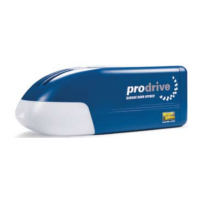
| Horsepower | 1/2 HP |
|---|---|
| Remote Control | Yes |
| Remote Controls Included | 2 |
| Battery Backup | No |
| Voltage | 120V |
| Speed | 7 inches per second |


 To Next Page