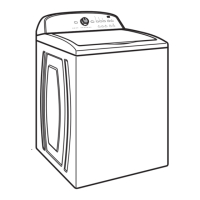
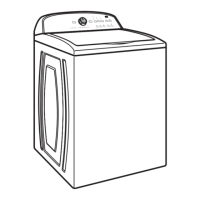
This document provides comprehensive installation instructions for a 29" wide electric dryer, specifically designed for use in the U.S.A. only. It covers everything from safety warnings and electrical requirements to venting options and an optional door swing reversal.
The primary function of this device is to dry clothes using an electric heating element and a tumbling drum. It is designed for household use and requires proper installation to ensure safe and efficient operation.
Usage Features:
The dryer is designed to be user-friendly once installed. It features a drum for tumbling clothes and requires a power supply to operate its electric heating and motor components. The installation instructions emphasize the importance of a level floor for proper tumbling and correct operation of automatic sensor cycles. This suggests the dryer may include sensor drying capabilities, which automatically detect moisture levels and adjust drying times accordingly, contributing to energy efficiency and preventing over-drying.
The dryer's design allows for flexibility in installation, offering options for both side-swing and hamper-style doors, as indicated by the diagrams for minimum spacing. This adaptability helps accommodate various laundry room layouts. The manual also highlights the importance of proper ventilation for optimal drying performance and to prevent moisture and lint buildup indoors. This implies that the dryer's performance is directly linked to its venting system, which efficiently expels moist air and lint.
For mobile home installations, specific provisions are required to introduce outside air into the dryer, indicating its suitability for a range of residential settings with appropriate modifications. The ability to reverse the door swing is a significant convenience feature, allowing users to adjust the door's opening direction to better suit their laundry room configuration and workflow. This customization enhances accessibility and ease of loading/unloading.
The dryer is equipped with leveling legs, which are crucial for ensuring stability and proper operation. The installation process details how to adjust these legs to match the height of a companion washer, promoting a cohesive and functional laundry setup. The electrical connection options (4-wire or 3-wire power supply cord, or direct wire) offer versatility, catering to different existing electrical setups while adhering to safety codes.
Maintenance Features (as related to installation and initial setup):
While the manual primarily focuses on installation, it touches upon initial maintenance and setup steps that contribute to the dryer's long-term performance. Before first use, the dryer drum interior should be thoroughly wiped with a damp cloth to remove any dust, ensuring a clean environment for clothes.
The importance of cleaning the lint screen before or after each load is highlighted as a general safety and performance measure, preventing lint accumulation that can obstruct airflow and increase fire risk. Similarly, the exhaust vent system needs to be kept free from lint, dust, and dirt, and the interior of the dryer and exhaust vent should be cleaned periodically by qualified service personnel. This proactive approach to lint management is critical for maintaining drying efficiency and preventing potential hazards.
The manual also advises against using flexible plastic or foil-type metal ducts for venting, recommending heavy metal vents instead. This choice of material is a maintenance-related feature, as rigid metal vents are less prone to collapsing, crushing, or trapping lint, thus reducing the frequency and difficulty of vent cleaning. The instructions for planning the vent system, including avoiding excessive bends and ensuring proper length, are also maintenance-oriented, as a well-designed vent system will require less frequent and easier cleaning.
The "Complete Installation Checklist" includes steps like checking that the vent is not crushed or kinked, which directly impacts the dryer's performance and longevity. The troubleshooting section, which directs users to the "Use and Care Guide" or website for frequently asked questions, implies that common issues can often be resolved through user-level maintenance and checks, reducing the need for professional service calls. The initial test run on a full heat cycle allows users to confirm proper heating and identify any immediate issues, ensuring the dryer is functioning correctly from the start.


 To Next Page

 General
 Weight and Dimensions