Need help?
Do you have a question about the Yamaha DTX900M and is the answer not in the manual?
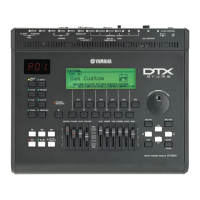
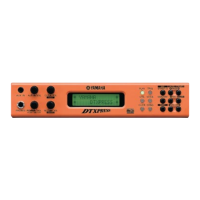
The Yamaha DTX900M/DTX900/DTXTREME III is a sophisticated electronic drum module designed for professional musicians and advanced enthusiasts. This firmware update guide outlines the process for maintaining and enhancing the device's functionality, ensuring optimal performance and access to the latest features.
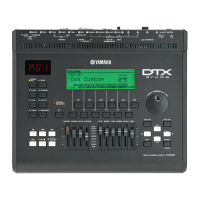
At its core, the DTX900M/DTX900/DTXTREME III serves as the brain of an electronic drum kit, processing trigger signals from drum pads and cymbals to produce a wide array of high-quality drum and percussion sounds. It offers extensive sound customization, allowing users to create unique drum kits tailored to their specific musical needs. The module supports various pad types, including snare, tom, hi-hat, and cymbal pads, with dedicated trigger setups to ensure accurate and responsive playability for each.
The device is capable of handling complex sound layering and velocity-sensitive triggering, providing a dynamic and expressive playing experience that closely mimics acoustic drums. It features a comprehensive sound engine with a vast library of internal voices, and the ability to import user voices, expanding its sonic palette. The module also incorporates a sequencer for recording and playback of drum performances, making it a valuable tool for practice, composition, and live performance.
Beyond its primary function as a sound module, the DTX900M/DTX900/DTXTREME III offers advanced connectivity options. It includes USB TO DEVICE for external storage, facilitating firmware updates and data backup. For integration with computer-based music production, it supports USB-MIDI, allowing it to function as a MIDI controller or sound generator within a digital audio workstation (DAW) environment. The device also features various audio outputs for flexible routing to mixers, amplifiers, or recording interfaces.
The firmware updates, as detailed in the guide, consistently introduce new pad types, expanding compatibility with Yamaha's evolving range of drum pads. For instance, updates have added support for DT50S/DT50K, KP100, KU100, TP70S Snare, TP70S Tom, TP70S HiHat, TP70, PCY100, PCY90, XP80 Snare, XP80 Tom, XP70 Snare, XP70 Tom, XP120/100 Snare, XP120/100 Tom, and KP125W pads. These additions ensure that users can integrate the latest pad technologies with their existing module, enhancing the overall playability and feel of their electronic drum kit.
Furthermore, firmware enhancements often include new trigger parameters such as "NoiseFilterTable" and "2P Balance," which provide finer control over how the module interprets trigger signals, leading to improved accuracy and reduced false triggering. The expansion of the input gain setting range offers greater flexibility in optimizing the signal levels from various pads, ensuring consistent and robust sound reproduction.
The module also integrates effects processing, including Variation, Reverb, and Chorus, which can be applied to individual drum sounds or the entire kit. The ability to bypass these effects, as indicated by "BYPASS" in the Drum Kit Select display, provides quick control over the sound's wet/dry mix. New parameters like "phones" in the OutputSel settings allow for detailed routing and mixing of sounds to different outputs, including the headphone output, which is crucial for monitoring during practice or recording.
For advanced users, the "TrigSetupLink" parameter offers a way to link trigger setups, simplifying the management of complex kit configurations. The "IndivOutAssign" parameter provides granular control over assigning individual drum sounds to specific audio outputs, which is invaluable in studio and live settings for multi-track recording or front-of-house mixing.
The DTX900M/DTX900/DTXTREME III also boasts features that improve its integration with external software. The addition of Cubase Remote Control functionality, for example, allows users to control certain aspects of Cubase (version 5 or later) directly from the drum module, streamlining the workflow for recording and production.
Operating the DTX900M/DTX900/DTXTREME III is designed to be intuitive, despite its advanced capabilities. The front panel features a clear display and a combination of buttons and rotary encoders for navigation and parameter adjustment. Buttons like [F1], [REC], [ENTER], and the Standby/On switch are central to both regular operation and maintenance tasks like firmware updates.
To confirm the current firmware version, users simply hold down the [F1] and [REC] buttons simultaneously while turning on the power via the Standby/On switch. This displays the "Firm Ver: ***" message, indicating the installed firmware version. This quick check is essential before initiating any update process to ensure the device is ready.
The update procedure itself is straightforward. Users first download the archived firmware file from the Yamaha website, decompress it, and copy the "***.PGM" file to the root directory of a USB storage device. It is crucial that this USB device has been formatted on the DTX900M/DTX900/DTXTREME III itself to ensure compatibility. Once the power is off, the USB device is connected to the [USB TO DEVICE] terminal on the rear panel. The update process is then initiated by holding down [F1] and [REC] while powering on, followed by pressing the [ENTER] button. The module displays a completion message once the update is successful, after which the power can be turned off.
The module's design emphasizes real-time control and responsiveness. The improvements in sound performance, such as addressing instances where sound was cut off when many User Voices were played simultaneously, enhance the overall playing experience, especially during complex musical passages. The ability to record and transmit MIDI messages generated by cymbal choking and muting further expands the expressive capabilities of the instrument, allowing for more nuanced performances to be captured and integrated into musical compositions.
The device's compatibility with USB storage devices has also been improved, supporting specification changes from various manufacturers. This ensures that users have a wider range of options for external storage, making data management more convenient.
For users connecting the DTXTREME III to a computer via USB, the guide highlights the importance of downloading the latest USB-MIDI driver after a firmware update. This ensures seamless communication and optimal performance when using the module with computer-based music software.
The primary maintenance feature highlighted in the guide is the firmware update process itself. Regular firmware updates are crucial for the DTX900M/DTX900/DTXTREME III to ensure it remains compatible with new accessories, benefits from performance improvements, and addresses any software bugs. Yamaha provides these updates to extend the lifespan and enhance the functionality of the device.
Before performing any firmware update, the guide strongly advises users to save their important data (such as Trigger Setups and pad types) onto a USB storage device. This is a critical step because the update process will overwrite existing settings with default values. This data backup feature prevents the loss of customized configurations, allowing users to restore their preferred settings after the update.
The guide also provides clear warnings regarding the update process. Users are explicitly instructed not to power off the device or disconnect any cables (including the USB storage device) during the update. Such actions could lead to data corruption or render the DTX900M/DTX900/DTXTREME III inoperable. These precautions underscore the importance of following the update instructions carefully to maintain the device's integrity.
In the event of an update failure, the guide recommends attempting the update again. If the issue persists, users are advised to contact their Yamaha dealer for support, indicating that professional assistance is available for more complex troubleshooting.
The continuous review of Trigger Setup parameters and improvements in soft-hit sensitivity, as mentioned in the version history, are examples of ongoing maintenance and refinement by Yamaha. These adjustments ensure that the module accurately captures the full dynamic range of a drummer's performance, from the lightest ghost notes to the hardest accents, thereby maintaining a high level of playability and expressiveness over time.
The availability of a dedicated website for downloading firmware and USB-MIDI drivers (http://download.yamaha.com) simplifies the maintenance process, providing a centralized and accessible resource for users to keep their device up-to-date. This commitment to ongoing support through firmware updates and accessible resources is a key aspect of maintaining the DTX900M/DTX900/DTXTREME III.
 General
| Sound Engine | AWM2 |
|---|---|
| Wave Memory | 64 MB |
| Preset Drum Kits | 50 |
| User Drum Kits | 50 |
| Sequencer | Yes |
| Sequencer Tracks | 16 |
| Power Supply | AC Adapter |
| Trigger Inputs | 12 |
| Sound Library | Over 1, 000 sounds |
| Polyphony | 128 |
| Wave Formats | WAV |
| Sequencer Resolution | 480 PPQ |
| Effects | Reverb, EQ |
| Connectivity | MIDI, USB, Audio Output |
| Display | LCD |
| Weight | 2.5 kg |

 To Next Page