15
Maintenance
Regular Maintenance Checks
Weekly:
• Test the free chlorine.
• Test the pH of the water. Adjust if necessary.
• Check the pressure gauge on the pool filter to see if backwashing is necessary.
Monthly:
• Check the salt concentration of the pool and adjust if necessary.
• Test for total alkalinity. Adjust if necessary.
• Test for chlorine stabilizer reading. Adjust if necessary.
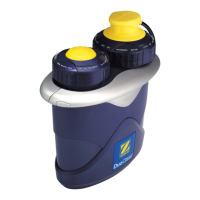
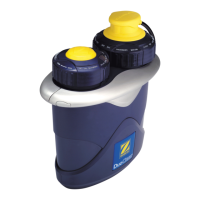
• Visually inspect the DuoClear unit and remove any debris that may have passed through the filter and
lodged in the vessel. Check the electrode for calcium build-up and manually clean as needed.Take
care not to scratch or bend the electrode.
Tips On Water Chemistry
How to Adjust pH
A pH range of 7.2 – 7.8 is ideal for maximum comfort and chlorine efficacy. Always adjust total
alkalinity before adjusting pH.
Low pH (acidic water) leads to stinging eyes and corrosion of open metal fittings. Raise the pH by adding
sodium bicarbonate or soda ash. Consult your pool professional regarding which chemical is best for your
situation and the proper amount to use. Check the pH after 4 hours of circulation, adjusting as necessary
to achieve the proper range.
High pH (alkaline w
ater) leads to clouding of the w
ater and reduces the amount of activ
e chlor
ine.This
means algae and germs can grow. Lower the pH by adding muriatic acid to the pool water.The acid
demand indicated b
y y
our 4-in-1 test kit will sho
w the amount of acid to use.
If the pH remains inconsistent, check your total alkalinity.
Total alkalinity affects pH
Total alkalinity is a measure of the alkaline chemicals in your pool water (e.g. bicarbonates, carbonates,
and hydroxides). It can be thought of as the buffering system necessary to control pH. Low alkalinity can
allo
w pH to fluctuate or dr
ift r
apidly in one direction.
The pH will be difficult to maintain and staining of
pool surfaces may occur when total alkalinity is too low.
Total alkalinity should be in the range of 80 – 150 ppm.
T
o raise total alkalinity, add pH buffer (sodium bicarbonate) at the rate shown in the manufacturer’s
instr
uctions to achie
ve a reading in the 80 – 150 ppm range. Generally, 1.5 lbs. of sodium bicarbonate
raises 10,000 gallons of pool water by 10 ppm.
T
o lower the total alkalinity, use muriatic acid. The acid demand chart in your 4-in-1 test kit will indicate
the necessar
y amount to add.
Adjust as needed until the reading (taken at least 24 hours later) is in the
80 – 150 ppm r
ange
.




 To Next Page