3
General Information
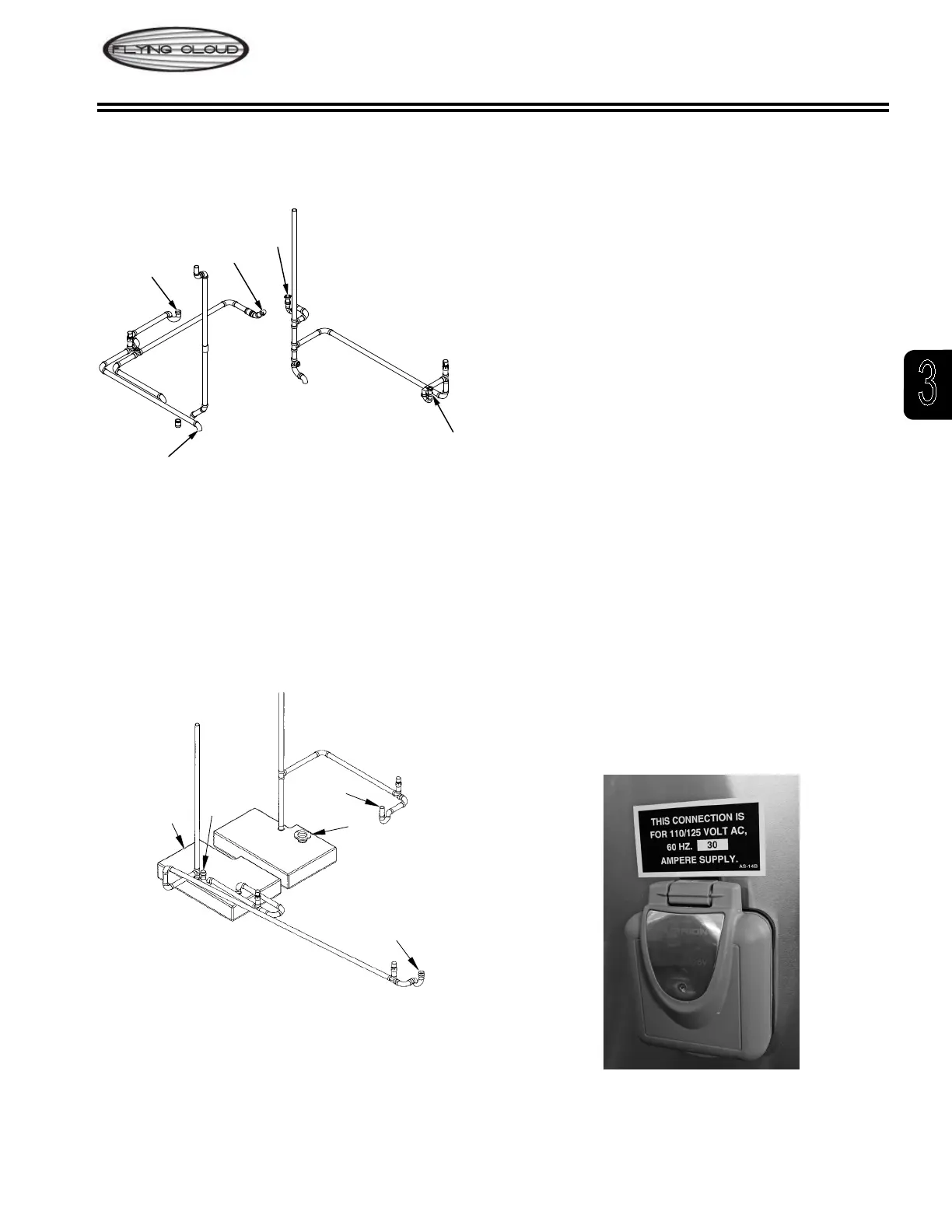
Flying Cloud 3-11
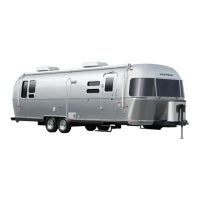
30FB-ft. Model
1
5
3
4
2
1. Lavatory Drain
2. Black WaterTank (Toilet)
3. Galley Drain
4. Gray Water Tank
5. Shower Drain
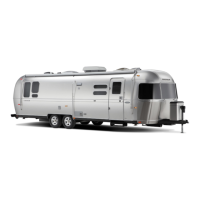
30-ft. Model
1
3
4
5
2
1. Lavatory Drain
2. Black WaterTank (Toilet)
3. Galley Drain
4. Gray Water Tank
5. Shower Drain
Shower DrainShower DrainShower DrainShower
DrainShower DrainShower DrainShower Drain Shower
Drain Shower Drain The main parts of the waste water
system are the toilet, dual holding tanks, and tank
dump valves (See Section 8 - Maintenance for dump
valve information). The system is designed to provide
complete self-contained toilet facilities, while on the
road or parked, without being connected to a sewage
line. It may also be used in the stationary position while
connected to a sewage hose.
Keep the dump valves closed with either method and
empty the tanks when they are nearly full. The idea is
to send a large volume of water through the tanks and
hose at the same time to oat solids away.
After the sewage tank has been emptied, close the
gate valves and put approximately ve gallons of water
in the sewage holding tank. This will help prevent
solids from building up in the sewage holding tank. The
addition of a deodorizing agent like Aqua-Kem will help
prevent odors.
Should you ever have a buildup of solids, close the
valves, ll the tanks about 3/4 full with fresh water,
drive a distance to agitate the solids, and drain the
tanks.
Things Not To Put Into Toilet Or Drains:
• Facial tissues (they do not dissolve like toilet paper).
• Automotive antifreeze, ammonia, alcohols, or
acetone.
• Table scraps or other solids that may clog the drains.
Shoreline Power Supply





 To Next Page