EasyManua.ls Logo

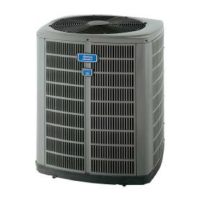
American Standard 4A7A7048B - User Manual

American Standard 4A7A7048B
24 pages
Print Icon
To Next Page IconTo Next Page
Loading...
11-AC43D1-1A-EN
ALL phases of this installation must comply with NATIONAL, STATE AND LOCAL CODES
IMPORTANT — This Document is customer property and is to remain with this unit. Please return to service informa-
tion pack upon completion of work.
Condensing Units
These instructions do not cover all variations in systems or provide for every possible contingency to be met in connection with
the installation. Should further information be desired or should particular problems arise which are not covered sufficiently for the
purchaser’s purposes, the matter should be referred to your installing dealer or local distributor.
Note: The manufacturer recommends installing only approved matched indoor and outdoor systems. All of the manufacture’s split
systems are AHRI rated only with TXV/EEV indoor systems. Some of the benefits of installing approved matched indoor and out-
door split systems are maximum efficiency, optimum performance and the best overall system reliability.
4A7A7048B
Installer’s Guide
Table of Contents
Section 1. Safety ..................................................................................... 2
Section 2. Unit Location Considerations.............................................. 3
Section 3. Unit Preparation .................................................................... 5
Section 4. Setting the Unit ..................................................................... 5
Section 5. Refrigerant Line Considerations ......................................... 6
Section 6. Refrigerant Line Routing ..................................................... 8
Section 7. Refrigerant Line Brazing ...................................................... 8
Section 8. Refrigerant Line Leak Check ............................................. 10
Section 9. Evacuation ........................................................................... 12
Section 10. Service Valves ................................................................... 12
Section 11. Electrical - Low Voltage .................................................... 13
Section 12. Electrical - High Voltage ................................................... 15
Section 13. Start Up .............................................................................. 16
Section 14. System Charge Adjustment ............................................. 17
Section 15. Checkout Procedures and Troubleshooting ................... 23
Question and Answer IconNeed help?

Do you have a question about the American Standard 4A7A7048B and is the answer not in the manual?

Summary

Safety

Unit Location Considerations

Unit Dimensions and Weight

Details the physical dimensions and estimated weight of the 4A7A7048B model.

Refrigerant Piping Limits

Specifies maximum total and vertical lengths for refrigerant lines, and line sizes.

Suggested Locations for Best Reliability

Provides guidance on optimal placement to ensure proper airflow, avoid noise, and prevent water/icicle damage.

Cold Climate Considerations

Offers precautions for units in areas with snow and prolonged freezing temperatures, including elevation and snow barriers.

Unit Preparation

Prepare The Unit For Installation

Outlines steps for checking the unit for damage and removing it from the pallet.

Setting the Unit

Pad Installation

Details requirements for support pads, including size, levelness, separation from structure, and drainage.

Refrigerant Line Considerations

Refrigerant Line and Service Valve Connection Sizes

Provides a table detailing line sizes and service valve connection sizes for different models.

Factory Charge

Explains the factory charge is for specific line lengths and smallest coil; adjustments may be needed.

Required Refrigerant Line Length

Instructions to determine and record the total line length and vertical change for later calculations.

Refrigerant Line Insulation

Emphasizes the importance of insulating the vapor line and preventing metal-to-metal contact.

Refrigerant Line Routing

Refrigerant Line Routing Precautions

Details precautions for routing lines to prevent vibration transmission and comply with codes, including isolation and minimizing turns.

Refrigerant Line Brazing

Braze The Refrigerant Lines

Provides step-by-step instructions for preparing and brazing refrigerant lines, including deburring and cleaning.

Refrigerant Line Leak Check

Check For Leaks

Details the procedure for pressurizing the system with dry nitrogen and checking for leaks using soapy solution.

Evacuation

Evacuate the Refrigerant Lines and Indoor Coil

Describes the process of evacuating the system to a specific micron level using a vacuum pump and micron gauge.

Service Valves

Open the Gas Service Valve

Provides steps for opening the gas service valve, including removing the cap and turning the stem.

Open the Liquid Service Valve

Explains how to safely open the liquid line service valve, emphasizing caution due to pressure.

Electrical - Low Voltage

Low Voltage Maximum Wire Length

Details the maximum allowable lengths for low voltage wiring based on wire gauge (AWG).

Low Voltage Hook-up Diagrams

Illustrates wiring connections for different thermostat and air handler configurations (TEM 6, TAM 7, Variable Speed).

Electrical - High Voltage

High Voltage Power Supply

Addresses high voltage power supply requirements, agreeing with the nameplate and complying with codes.

High Voltage Disconnect Switch

Recommends installing a separate disconnect switch at the outdoor unit for safety and convenience.

High Voltage Ground

Specifies grounding the outdoor unit according to national, state, and local code requirements.

Start Up

System Start Up

Details the step-by-step procedure for starting the system, including thermostat settings and power application.

System Charge Adjustment

Temperature Measurements

Explains how to measure outdoor and indoor temperatures, noting subcooling is for above 55°F outdoor temps.

Subcooling Charging in Cooling (Above 55°F Outdoor Temp.)

Details the subcooling method for charging systems in cooling mode when outdoor temperatures are above 55°F.

Subcooling Charging Below 55°F Outdoor Temp.

Recommends weighing-in charge for outdoor temps below 55°F, detailing the weigh-in method and charge multiplier.

Checkout Procedures and Troubleshooting

Operational And Checkout Procedures

Lists final operational and checkout procedures to ensure proper performance and safe operation of the system.

Troubleshooting System Faults

Provides a system faults chart cross-referencing common issues with potential causes and checks for refrigerant and electrical circuits.

Summary

Safety

Unit Location Considerations

Unit Dimensions and Weight

Details the physical dimensions and estimated weight of the 4A7A7048B model.

Refrigerant Piping Limits

Specifies maximum total and vertical lengths for refrigerant lines, and line sizes.

Suggested Locations for Best Reliability

Provides guidance on optimal placement to ensure proper airflow, avoid noise, and prevent water/icicle damage.

Cold Climate Considerations

Offers precautions for units in areas with snow and prolonged freezing temperatures, including elevation and snow barriers.

Unit Preparation

Prepare The Unit For Installation

Outlines steps for checking the unit for damage and removing it from the pallet.

Setting the Unit

Pad Installation

Details requirements for support pads, including size, levelness, separation from structure, and drainage.

Refrigerant Line Considerations

Refrigerant Line and Service Valve Connection Sizes

Provides a table detailing line sizes and service valve connection sizes for different models.

Factory Charge

Explains the factory charge is for specific line lengths and smallest coil; adjustments may be needed.

Required Refrigerant Line Length

Instructions to determine and record the total line length and vertical change for later calculations.

Refrigerant Line Insulation

Emphasizes the importance of insulating the vapor line and preventing metal-to-metal contact.

Refrigerant Line Routing

Refrigerant Line Routing Precautions

Details precautions for routing lines to prevent vibration transmission and comply with codes, including isolation and minimizing turns.

Refrigerant Line Brazing

Braze The Refrigerant Lines

Provides step-by-step instructions for preparing and brazing refrigerant lines, including deburring and cleaning.

Refrigerant Line Leak Check

Check For Leaks

Details the procedure for pressurizing the system with dry nitrogen and checking for leaks using soapy solution.

Evacuation

Evacuate the Refrigerant Lines and Indoor Coil

Describes the process of evacuating the system to a specific micron level using a vacuum pump and micron gauge.

Service Valves

Open the Gas Service Valve

Provides steps for opening the gas service valve, including removing the cap and turning the stem.

Open the Liquid Service Valve

Explains how to safely open the liquid line service valve, emphasizing caution due to pressure.

Electrical - Low Voltage

Low Voltage Maximum Wire Length

Details the maximum allowable lengths for low voltage wiring based on wire gauge (AWG).

Low Voltage Hook-up Diagrams

Illustrates wiring connections for different thermostat and air handler configurations (TEM 6, TAM 7, Variable Speed).

Electrical - High Voltage

High Voltage Power Supply

Addresses high voltage power supply requirements, agreeing with the nameplate and complying with codes.

High Voltage Disconnect Switch

Recommends installing a separate disconnect switch at the outdoor unit for safety and convenience.

High Voltage Ground

Specifies grounding the outdoor unit according to national, state, and local code requirements.

Start Up

System Start Up

Details the step-by-step procedure for starting the system, including thermostat settings and power application.

System Charge Adjustment

Temperature Measurements

Explains how to measure outdoor and indoor temperatures, noting subcooling is for above 55°F outdoor temps.

Subcooling Charging in Cooling (Above 55°F Outdoor Temp.)

Details the subcooling method for charging systems in cooling mode when outdoor temperatures are above 55°F.

Subcooling Charging Below 55°F Outdoor Temp.

Recommends weighing-in charge for outdoor temps below 55°F, detailing the weigh-in method and charge multiplier.

Checkout Procedures and Troubleshooting

Operational And Checkout Procedures

Lists final operational and checkout procedures to ensure proper performance and safe operation of the system.

Troubleshooting System Faults

Provides a system faults chart cross-referencing common issues with potential causes and checks for refrigerant and electrical circuits.

Overview

This document outlines the installation, operation, and maintenance procedures for American Standard Condensing Units, specifically the 4A7A7048B model. These units are designed for residential and light commercial heating and air conditioning systems, utilizing R-410A refrigerant. The guide emphasizes compliance with national, state, and local codes throughout all installation phases.

Function Description

The American Standard Condensing Unit is a critical component of a split-system heating and air conditioning system. Its primary function is to facilitate the heat exchange process by compressing and condensing refrigerant, releasing heat to the outdoor air during cooling cycles, and absorbing heat from the outdoor air during heating cycles (if it's a heat pump model, though this document focuses on condensing units for cooling). The unit works in conjunction with an indoor evaporator coil and an air handler or furnace to provide conditioned air to a building. The system is factory charged with R-410A refrigerant, which operates at higher pressures than older R-22 systems, necessitating specific service equipment and handling procedures. The manufacturer strongly recommends installing only approved matched indoor and outdoor systems to ensure maximum efficiency, optimum performance, and overall system reliability.

Usage Features

The condensing unit is designed for outdoor installation, with considerations for optimal placement to ensure efficient operation and minimize noise. Key usage features include:

  • Refrigerant System: Uses R-410A refrigerant, requiring specialized service tools and practices due to its higher operating pressures. The system is designed to remain sealed to prevent moisture absorption by the POE oil used with R-410A.
  • Matched Systems: Optimized for use with approved matched indoor and outdoor systems to achieve AHRI ratings for efficiency and performance.
  • Installation Flexibility: Can be mounted on a ground pad or rooftop, with specific guidelines for elevation and clearance to ensure proper airflow, drainage, and service access.
  • Refrigerant Line Sizing: Provides detailed tables for standard and alternate refrigerant line sizes, as well as maximum total line lengths and vertical lift, allowing for flexible installation configurations within specified limits.
  • Charge Adjustment: Includes a comprehensive subcooling charging method for precise refrigerant charge adjustment in cooling mode, especially when outdoor temperatures are above 55°F. For temperatures below 55°F, a weigh-in method is recommended.
  • Electrical Connections: Features clear instructions for both low voltage (thermostat and indoor unit connections) and high voltage (power supply) wiring, emphasizing safety and compliance with electrical codes.
  • System Start-Up: Outlines a step-by-step start-up procedure, including thermostat settings, power application, and a recommended waiting period if a crankcase heater accessory is used and ambient temperatures are low.

Maintenance Features

Proper maintenance is crucial for the longevity and efficient operation of the condensing unit. The guide highlights several maintenance-related aspects:

  • Refrigerant Handling: Emphasizes the importance of using only R-410A approved service equipment and POE compressor oil. It warns against venting refrigerant gases into the atmosphere and provides strict guidelines for handling the system when it has been open to the atmosphere for extended periods, including compressor oil replacement and drier changes.
  • Leak Checks: A critical step in installation and maintenance involves pressurizing the refrigerant lines and evaporator coil with dry nitrogen and performing a soapy solution leak check at all brazed locations.
  • Evacuation: Detailed instructions for evacuating the refrigerant lines and indoor coil to a specific micron level (no higher than 350 microns) and verifying the vacuum integrity (no rise above 500 microns in one minute) are provided to ensure a dry and contaminant-free system.
  • Service Valve Operation: Clear steps for opening the gas and liquid service valves are included, with a strong warning regarding the liquid line service valve to prevent abrupt release of system charge.
  • Insulation: Stresses the importance of insulating the vapor line and preventing direct metal-to-metal contact between the liquid and vapor lines to maintain efficiency.
  • Line Routing: Provides precautions for routing refrigerant lines to prevent noise and vibration transmission within the building structure, recommending isolation hangers and minimizing 90° turns.
  • Brazing Procedures: Detailed instructions for brazing refrigerant lines, including deburring, cleaning, purging with dry nitrogen, and wrapping valve bodies with wet rags to prevent heat damage.
  • Regular Inspections: The "Checkout Procedure" section serves as a final checklist for installers, covering essential items like refrigerant line integrity, insulation, drain line functionality, airflow settings, and overall system operation in all modes. This implicitly suggests that these items should be periodically checked during routine maintenance.
  • Troubleshooting Guide: Includes a comprehensive "System Faults" table that lists common refrigerant circuit and electrical issues, along with primary and secondary causes, aiding technicians in diagnosing and resolving problems efficiently.
  • Component Protection: Advises against touching the scroll compressor dome due to high temperatures, indicating a need for caution during any service involving the compressor.
  • Coastal Considerations: For units installed within one mile of salt water, the addition of a Seacoast Salt Shield (BAYSEAC001) is recommended, highlighting a specific maintenance or installation feature for corrosive environments.

American Standard 4A7A7048B Specifications

General IconGeneral
Model Number4A7A7048B
BrandAmerican Standard
CategoryAir Conditioner
TypeSplit System
SEER Rating16
Refrigerant TypeR-410A
Voltage208/230V
Phase1
Sound Level (Outdoor Unit)74 dB
StagesSingle Stage
Cooling Capacity4 Ton
HSPFNot Applicable
Cooling Capacity (BTU)48000 BTU
Compressor TypeSingle Stage Scroll

Related product manuals