ATS Systems Ultimate Chuck Installation and Operations Manual
Keep base and top jaws screwed together for
subsequent use without the need to rebore. Always
tighten the jaw mounting bolts with the specified
torque.
4.6 Estimating chuck grip force loss and
approximate safe speed.
Proper determination of safe operating speed
requires a dynamic grip force gage that allows the
actual jaws in question to be run at operating
speed. Start the test at a slow speed and increase
speed until the minimum grip force to safely hold
and machine the workpiece is reached. Only this
empirical testing will guarantee accurate
conclusions. To approximately determine the
theoretical allowable speed for a particular set of
jaws, one can weigh the jaws, measure their center
of gravity by balancing them on a knife edge, and
then make some calculations. These calculations
assume the weights and measurements have been
made accurately, that the chuck is well
maintained, lubricated and working properly, that
the starting static grip force is accurately known
(cylinder size, pressure and resulting drawbar pull
x chuck grip/pull ratio specification), and that the
chuck is a high quality power chuck of modern
design and construction. Since there are so many
variables it would be dangerous to only make
these theoretical calculations and then run the
jaws at speed. But to give an estimate so that
empirical testing can be planned, the following
formulas can be used.
F
stati
c
=
lbs. of total starting grip force (all three or
two jaws) with the chuck not rotating,
using the draw bar pull (cylinder pressure)
planned for the job.
F@ speed = lbs. of total grip force (all three or two
jaws) you require remaining at operating
RPM. You will need to determine this
minimum grip force you require to safely
hold the workpiece.
w
ju
= lbs., weight of one jaw unit = one master
jaw plus one top jaw plus bolts (plus T-
nuts plus master jaw for conventional
chucks), or one monoblok jaw for wedge
bar type quick jaw change chucks, such as
the Ultimate Chuck. For conventional
wedge hook or lever chucks, don't use the
weight of just the top jaw or your theoretical
allowable speed will be way too high. (You
must
disassemble and weigh a master jaw to add to
the top jaw weight. When you do this you'll also
want to determine the center of gravity and
record these figures for future use.)
r
c
= in., radius dimension from centerline of chuck
to the center of gravity of the jaw unit. For quick
jaw change chucks where the entire jaw unit can
be removed this can easily be done by balancing
the jaw unit on a knife edge, marking the balance
point and then inserting the jaw into the chuck to
measure the distance from the chuck centerline
to the balance point. For chucks with normal
master jaws this radius is more difficult to
determine.
n = RPM, speed of rotation
n
max
= RPM, theoretical approximate maximum
allowable speed for the residual grip force you
determined is required. a = number of jaws (three or
two)
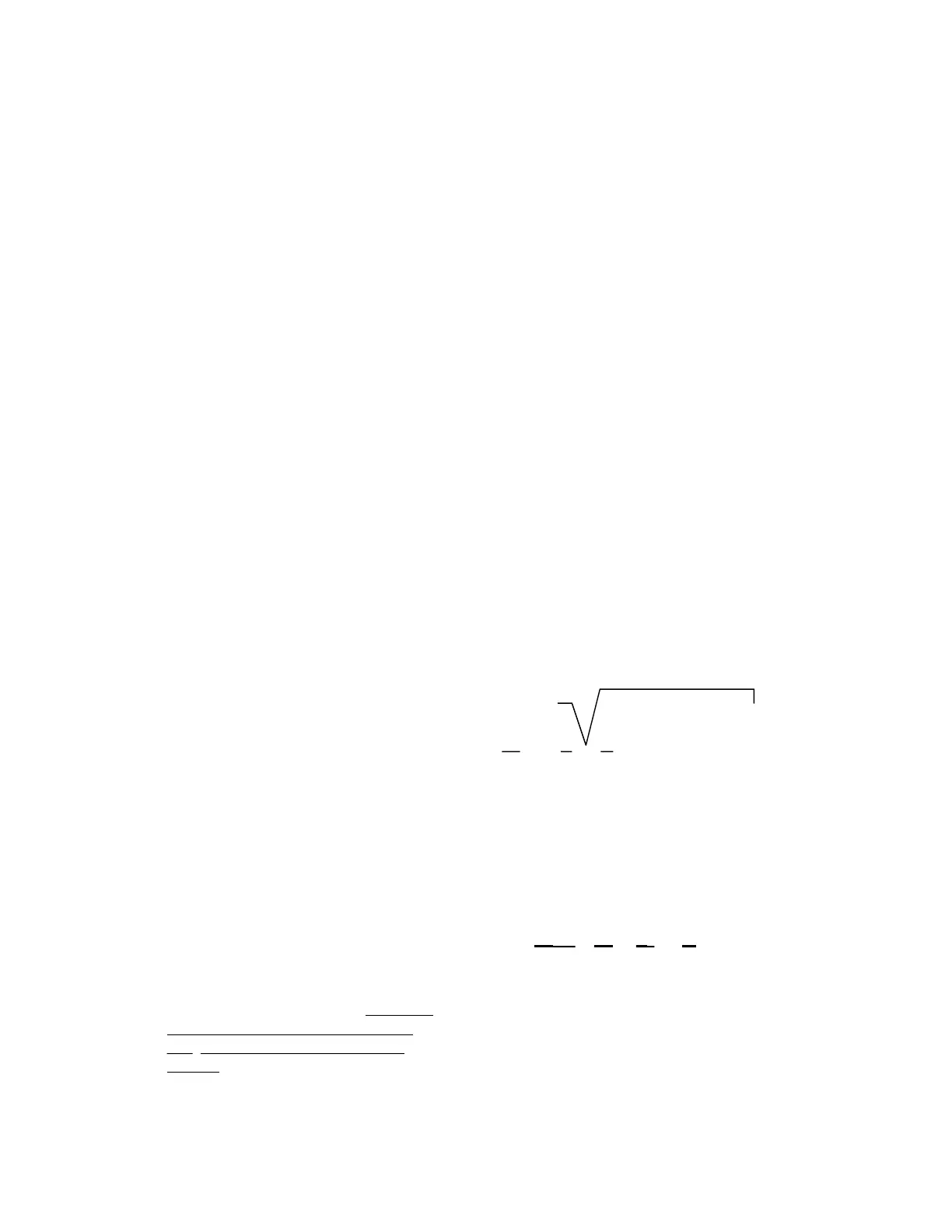
Calculated maximum speed:
nmax = Fstatic - F@ speed x 188
w
ju
x r
c
x a
Grip force loss (all three jaws, lbs.):
= w
ju
x a x r
c
x n
2
35,196
Example 1:
Ultimate Chuck size 210 (8") with full size monoblok
soft jaw gripping a 2" diameter part. How fast can the


 To Next Page
 Loading...