SECTION 2 - PLANNING
2.1 - READER LOCATION
2.1 - INTRODUCTION
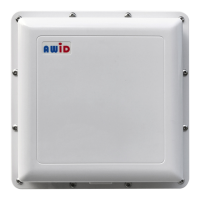
The LR- 3000 reader is designed for Automated Vehicle Identification (AVI). The main variables that must be considered in planning the
readers and credentials for the system are —
• Reader location • Environmental Factors • Vehicle types
• AC System Location • Lane characteristics • Credential type
Reader location: The reader must have a minimum 2 ft clearance from metal and organic materials.
Access Control System Location: Access control systems are best installed in locations that place the system close to the reader,
power source, and lane entry.
Environmental Factors: Radio-Frequency is heavily affected by metal and water. Large metal gates or garages, as well as plants or
people greatly reduce the strength of the RF signal due to absorbing/reflecting the signal.
Lane characteristics: Be mindful of the lane entry location in conjunction with the readers mounting location.
Vehicle types: Determine the average type of vehicle in use, as well as, the average mounting height for credentials. Credential type:
The reader may need different mounting locations or angles depending on the credential type. (Refer to section 3.4)
2.2 - PLANNING FACTORS
2.2.1 - INTRODUCTION
Preparation for the LR-3000 installation can save time during installation. The following topics cover the common questions. These
topics apply generally to all forms of AWID UHF long-range readers. The environmental, electrical, interference and temperature
range characteristics likewise apply to all forms of AWID UHF long-range reader.
2.2.2 - ENVIRONMENT
• Physical obstructions: The space around where the reader is mounted and aimed must be clear of obstructions. For best results; plan
for line of sight from the reader to the credential with no obstructions in-between. (Including plants and metalized materials) Do not
mount the reader within 2 feet of shrubbery or metal columns/posts.
• Weather: The LR-3000 has an IP65 rating. The LR-3000 reader can be installed outdoors; if ambient temperatures are very high, use
a vehicle presence sensor to arm the reader.
• Radio Frequency Interference (RFI): Avoid sources of radio frequency emissions that might interfere with the reader.
2.2.3 - LANE LAYOUT
• Lane geometry: The lane should be straight for about one vehicle length in the desired read zone. Avoid sharp turns from through
streets into short driveways.
• Multiple lanes: Locate and aim the readers so that they do not interfere with each other. For readers in parallel lanes, pointed in the
same direction, keep 20+ feet apart or stagger your mounting locations. For best results in a multi-lane project, utilize vehicle presence
sensors for the best performance.
• Reader location: If readers are above the lanes, aim neighboring readers parallel to each other. If readers are on posts beside the lanes,
aim the readers so that one reader is not aimed directly at the back of the neighboring reader. This eliminates cross reader interference.


 To Next Page