EasyManua.ls Logo

Bauer 1775C-B - User Manual

Bauer 1775C-B
11 pages
Print Icon
To Next Page IconTo Next Page
Loading...
Visit our website at: http://www.harborfreight.com
Email our technical support at: productsupport@harborfreight.com
For Best Results,
Use 3.0 Amp Hour Battery
or Greater.
(Sold Separately)
Owners Manual & Safety Instructions
Save This Manual Keep this manual for the safety warnings and precautions, assembly,
operating, inspection, maintenance and cleaning procedures. Write the product’s serial number in the back
of the manual (or month and year of purchase if product has no number). Keep this manual and the receipt
in a safe and dry place for future reference. 22l
When unpacking, make sure that the product is intact
and undamaged. If any parts are missing or broken,
please call 1-888-866-5797 as soon as possible.
Copyright
©
2022 by Harbor Freight Tools
®
. All rights reserved.
No portion of this manual or any artwork contained herein may be reproduced in
any shape or form without the express written consent of Harbor Freight Tools.
Diagrams within this manual may not be drawn proportionally. Due to continuing
improvements, actual product may differ slightly from the product described herein.
Tools required for assembly and service may not be included.
Read this material before using this product.
Failure to do so can result in serious injury.
SAVE THIS MANUAL.
Question and Answer IconNeed help?

Do you have a question about the Bauer 1775C-B and is the answer not in the manual?

Summary

Warning Symbols and Definitions

Hazard Symbol Definitions

Explains DANGER, WARNING, CAUTION, and NOTICE symbols for hazard communication.

Important Safety Information

General Power Tool Safety

Covers crucial safety practices for power tool operation, including work area, electrical, and personal safety.

Personal Safety Precautions

Details essential personal safety measures, including protective gear, alertness, and proper handling.

Power Tool Use and Care

Outlines best practices for using and maintaining power tools to ensure safety and longevity.

Tool Servicing and Maintenance

Guidelines for servicing the tool by qualified personnel and maintaining labels.

Reciprocating Saw Specific Safety

Specific safety instructions for operating reciprocating saws, including workpiece securing and blade management.

Battery Tool Use and Care

Instructions for safe handling, charging, and storage of battery packs and related tools.

Lithium Battery Safety Warnings

Critical warnings regarding the safe handling, storage, and disposal of lithium batteries.

Vibration Safety and Reduction

Information on the risks of vibration exposure and methods to reduce vibration-related injuries.

Electrical Safety: Grounding and Extension Cords

Covers electrical safety, including grounding requirements and the non-use of extension cords with the charger.

Symbology

Manual and Safety Iconography

Explains common symbols and icons used in the manual and on the product for safety and operation.

Specifications

Product Specifications

Lists key technical details of the reciprocating saw, including battery type, speed, and capacity.

Setup - Before Use

Battery Pack Charging and Installation

Instructions for charging the battery pack and installing it into the tool.

Tool Functions and Shoe Adjustment

Identifies key tool functions and guides on adjusting the shoe position for operation.

Operating Instructions

Blade Installation and Removal

Step-by-step guide for safely installing and removing cutting blades from the saw.

Workpiece and Work Area Preparation

Guidance on setting up the work area and securing workpieces for safe operation.

General Cutting Procedures

Details on how to operate the saw for general cutting tasks, including speed control.

Plunge Cutting Technique

Instructions and warnings for performing plunge cuts safely and effectively.

Metal Cutting Guidance

Specific steps and recommendations for cutting metal with the reciprocating saw.

Maintenance and Servicing Instructions

Pre-Use Inspection

Checklist for inspecting the tool's condition before each use to ensure safe operation.

Post-Use Cleaning

Procedure for cleaning the external surfaces of the tool after use.

Battery Disposal and Storage

Guidelines for proper disposal of Li-Ion batteries and safe storage of tool components.

Troubleshooting

Tool Start-Up Issues

Addresses common problems preventing the tool from starting and their solutions.

Performance and Operational Problems

Solutions for issues like slow operation, decreased performance, noise, and overheating.

Summary

Warning Symbols and Definitions

Hazard Symbol Definitions

Explains DANGER, WARNING, CAUTION, and NOTICE symbols for hazard communication.

Important Safety Information

General Power Tool Safety

Covers crucial safety practices for power tool operation, including work area, electrical, and personal safety.

Personal Safety Precautions

Details essential personal safety measures, including protective gear, alertness, and proper handling.

Power Tool Use and Care

Outlines best practices for using and maintaining power tools to ensure safety and longevity.

Tool Servicing and Maintenance

Guidelines for servicing the tool by qualified personnel and maintaining labels.

Reciprocating Saw Specific Safety

Specific safety instructions for operating reciprocating saws, including workpiece securing and blade management.

Battery Tool Use and Care

Instructions for safe handling, charging, and storage of battery packs and related tools.

Lithium Battery Safety Warnings

Critical warnings regarding the safe handling, storage, and disposal of lithium batteries.

Vibration Safety and Reduction

Information on the risks of vibration exposure and methods to reduce vibration-related injuries.

Electrical Safety: Grounding and Extension Cords

Covers electrical safety, including grounding requirements and the non-use of extension cords with the charger.

Symbology

Manual and Safety Iconography

Explains common symbols and icons used in the manual and on the product for safety and operation.

Specifications

Product Specifications

Lists key technical details of the reciprocating saw, including battery type, speed, and capacity.

Setup - Before Use

Battery Pack Charging and Installation

Instructions for charging the battery pack and installing it into the tool.

Tool Functions and Shoe Adjustment

Identifies key tool functions and guides on adjusting the shoe position for operation.

Operating Instructions

Blade Installation and Removal

Step-by-step guide for safely installing and removing cutting blades from the saw.

Workpiece and Work Area Preparation

Guidance on setting up the work area and securing workpieces for safe operation.

General Cutting Procedures

Details on how to operate the saw for general cutting tasks, including speed control.

Plunge Cutting Technique

Instructions and warnings for performing plunge cuts safely and effectively.

Metal Cutting Guidance

Specific steps and recommendations for cutting metal with the reciprocating saw.

Maintenance and Servicing Instructions

Pre-Use Inspection

Checklist for inspecting the tool's condition before each use to ensure safe operation.

Post-Use Cleaning

Procedure for cleaning the external surfaces of the tool after use.

Battery Disposal and Storage

Guidelines for proper disposal of Li-Ion batteries and safe storage of tool components.

Troubleshooting

Tool Start-Up Issues

Addresses common problems preventing the tool from starting and their solutions.

Performance and Operational Problems

Solutions for issues like slow operation, decreased performance, noise, and overheating.

Overview

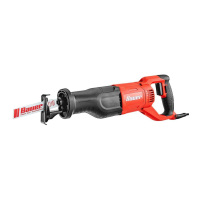
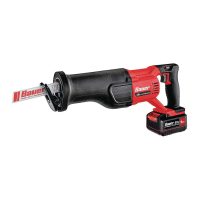
The Bauer 20V HYPERMAX™ LITHIUM Cordless Variable Speed Reciprocating Saw (Model 1775C-B, Item 56396) is a versatile power tool designed for various cutting applications. This cordless reciprocating saw is part of the Bauer 20V Li-Ion battery system, offering portability and freedom from power cords.

Function Description:

The Bauer 20V Reciprocating Saw is engineered for cutting through a wide range of materials, including wood, metal, and PVC pipe. Its variable speed trigger allows users to adjust the strokes per minute (SPM) based on the material being cut, providing greater control and efficiency. Squeezing the trigger harder increases the speed, while applying less pressure decreases it. The saw features a shoe that can be adjusted to different positions, enabling users to optimize cutting depth and blade life. It is particularly useful for demolition work, plunge cuts, and general cutting tasks where a powerful and adaptable saw is required.

Important Technical Specifications:

  • Battery Type: Bauer 20V Li-Ion 57007 (sold separately)
  • Charger Type: Bauer 20V Li-Ion 57006 (sold separately)
  • No Load Speed (n₀): 0-3000/min (strokes per minute)
  • Stroke Length: 1-1/8" (28mm)
  • Cutting Capacity: 5-7/8" (150mm)

The saw is designed to be used with a 20V Li-Ion battery pack, which provides the necessary power for its operation. The 1-1/8" stroke length allows for efficient material removal, contributing to faster cuts. A cutting capacity of 5-7/8" indicates its capability to handle substantial workpieces.
Usage Features:

  • Cordless Operation: Powered by a 20V Li-Ion battery, the saw offers maximum portability and eliminates the need for an electrical outlet, making it ideal for job sites without readily available power.
  • Variable Speed Trigger: The trigger allows for precise control over the cutting speed, enabling users to match the speed to the material and application. Softer materials benefit from faster speeds, while harder materials require slower speeds.
  • Adjustable Shoe: The shoe can be extended or shortened by pressing the Shoe Lock. This feature allows users to adjust the cutting depth and optimize blade contact with the workpiece, which can prolong blade life and improve cutting stability.
  • Quick Blade Change System: The saw incorporates a Blade Clamp Release Lever for easy and tool-free blade installation and removal. Users simply lift the lever, insert the blade with teeth pointing downward, and release the lever to secure it. A gloved hand should be used to check for secure blade locking.
  • Two-Handed Operation: For optimal control and safety, the saw is designed for two-handed operation. Users should hold the housing and trigger with one hand and the front end of the tool with the other, ensuring all fingers are behind the handle recess and not covering vent holes.
  • Trigger Lock: A trigger lock mechanism is included to prevent unintentional starting. The lock should be engaged (right position) when the tool is not in use or during blade changes and adjustments.
  • Plunge Cutting Capability: The saw can perform plunge cuts into plywood and thin board panels. It is crucial to mark the line of cut, place the blade tip over the starting point with the saw parallel to the line of cut, and ensure the blade is NOT touching the workpiece when starting the tool. The tool should be slowly rotated on the shoe as the blade contacts the workpiece once full speed is reached.
  • Metal Cutting: When cutting metal, it is recommended to use a metal-specific blade and apply cutting oil to the surface to prevent the blade from overheating.
  • Workpiece Stability: It is essential to secure workpieces with a vise or clamps to prevent movement during cutting, enhancing safety and accuracy.
  • Battery Pack Installation/Removal: The battery pack is inserted into the Battery Receptacle until it clicks into place. To remove, push the latch on the battery pack and slide it out.
  • Safety Markings: The tool and manual include various safety symbols, such as warnings for eye injury (wear ANSI-approved safety goggles), electric shock, fire, and explosion risks, emphasizing the importance of safe operation and maintenance.

Maintenance Features:

  • Pre-Use Inspection: Before each use, a thorough inspection of the tool is recommended. This includes checking for a leaking, swollen, or cracked battery pack, loose hardware, misalignment or binding of moving parts, cracked or broken parts, and any other condition that might affect safe operation.
  • Post-Use Cleaning: After each use, external surfaces of the tool should be wiped with a clean cloth to remove dust and debris.
  • Battery Pack Care: Lithium-ion battery packs must be recycled or disposed of properly. They should not be opened, crushed, heated above 140°F, or incinerated. Damaged battery packs should not be used or charged.
  • Storage: The battery pack, charger, and tool should be stored in a dry, indoor area, out of reach of children and away from metal objects (e.g., paperclips, coins) to prevent shorting.
  • Blade Maintenance: Keep cutting blades sharp and clean. Dull or damaged blades should be replaced as needed to ensure efficient and safe cutting.
  • Ventilation: Ensure motor housing vents are not blocked. If they are, wear ANSI-approved safety goggles and a NIOSH-approved dust mask/respirator while blowing dust out of the motor using compressed air.
  • Professional Servicing: Procedures not specifically explained in the manual, such as internal damage or wear (e.g., carbon brushes or bearings), should only be performed by a qualified technician. Never attempt to service damaged battery packs yourself; this should only be done by the manufacturer or authorized service providers.
  • Charger Safety: The battery charger can get hot during use. It should be placed on a stable, solid, non-flammable surface (like a metal workbench or concrete floor) at least 1 foot away from flammable objects. Vents on the charger should not be obstructed, especially by carpets or rugs. Frequent monitoring of the charger and battery pack during charging is advised.
  • Vibration Reduction: To minimize vibration-related injury, users are advised to wear suitable gloves, include vibration-free periods in their work, grip the tool lightly, and maintain the tool as explained in the manual. If abnormal vibration occurs, stop use immediately.

Bauer 1775C-B Specifications

General IconGeneral
BrandBauer
Model1775C-B
CategorySaw
LanguageEnglish

Related product manuals