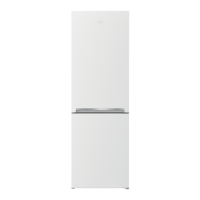
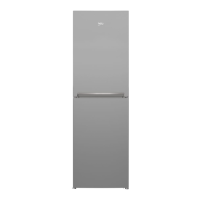
This document serves as a comprehensive user manual for a Beko refrigerator, designed to provide effective service and ensure safe and efficient operation. It emphasizes the importance of reading the entire manual before installation and use, highlighting safety instructions and maintenance procedures. The manual is applicable to several models, with differences noted where relevant.
Function Description
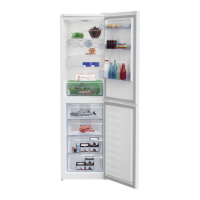
The Beko refrigerator is designed for the storing and freezing of edible foodstuffs. It features a fridge compartment and a freezer compartment, each with specific functions and temperature controls. The fridge compartment is equipped with cabinet shelves, a defrost water collection channel with a drain tube, a salad crisper, door shelves, an egg tray, a bottle shelf, and a fan to aid in cooling. The freezer compartment includes frozen food storage drawers. The appliance utilizes non-CFC/HFC natural substances (R600a) in its cooling system and cyclopentane in its insulation, making it environmentally friendly.
Usage Features
The refrigerator's operation is controlled by a temperature setting knob, allowing users to adjust the interior temperature of the fridge compartment. The knob typically ranges from 1 (lowest cooling/warmest setting) to 5 (highest cooling/coldest setting). The average temperature inside the fridge should be around +5°C, but this can be adjusted based on desired temperature, ambient conditions, frequency of door opening, and the amount of food stored. The coldest region in the fridge is typically above the vegetable compartment.
For optimal performance, it is recommended to close the door as soon as possible after use to prevent the interior temperature from rising. The thermostat setting button allows for fine-tuning the temperature based on seasonal changes, frequency of door opening, and whether hot food has been placed inside. If the ambient temperature is above 25°C, the thermostat should be set to maximum, and if below 25°C, to minimum.
The fridge compartment features automatic defrosting, where defrost water runs to a collection container at the back of the appliance via a drain tube. Water droplets may form on the back wall during defrosting, and users are advised not to allow food items to touch this wall to prevent them from getting wet. Sharp objects should not be used to remove frozen droplets. If the drain tube becomes blocked, a special plastic plunger can be used to clear it. The freezer compartment is frost-free and does not require manual defrosting.
Energy-saving tips are provided to optimize the appliance's efficiency. These include installing the refrigerator in a well-ventilated area, minimizing the time between purchasing and storing chilled/frozen food (using cool bags for perishable items), and ensuring doors are not left open longer than necessary. Defrosting frozen food in the fridge compartment can also help with cooling. For maximum loading capacity in the freezer, it is advised to load it without using the top shelf lid and only the bottom drawer.
The appliance is designed to function in ambient temperatures up to 43°C (90°F). Even if the ambient temperature drops to -15°C, frozen food in the freezer will remain frozen due to "Freezer Guard technology." However, very low ambient temperatures may cause food in the fridge compartment to freeze, so users should consume these items as needed. If the ambient temperature falls below 0°C, it is recommended not to use the fridge compartment, but the freezer can still be used as usual. In some models, the instrument panel automatically turns off after 5 minutes of the door being closed and reactivates when the door is opened or a key is pressed. Condensation on door/body shelves and glass containers is normal due to temperature changes from opening and closing the door.
Maintenance Features
Regular maintenance is crucial for the longevity and efficient operation of the refrigerator. Before cleaning, the appliance should be unplugged. Users are advised against using gasoline, benzene, sharp abrasive instruments, soap, household cleaner, detergent, or wax polish, as these can damage surfaces. Lukewarm water and a soft cloth are recommended for cleaning the cabinet. For the interior, a damp cloth wrung out in a solution of one teaspoon of bicarbonate of soda to one pint of water can be used. Care must be taken to prevent water from entering the lamp housing and other electrical items.
If the refrigerator will not be used for an extended period, it should be unplugged, emptied of all food, cleaned, and the door left ajar. Door seals should be regularly checked and cleaned to ensure they are free from food particles and maintain a proper seal. To remove door racks, all contents should be removed, and the rack pushed upwards from its base. Chlorine-containing cleaning agents should not be used on outer surfaces or chromium-coated parts, as chlorine can cause corrosion. Pointed or abrasive tools, kerosene, fuel oil, or varnish should also be avoided to prevent damage to plastic parts and prints.
Protection of plastic surfaces is emphasized; liquid oils or oil-cooked meals should not be placed in unsealed containers, as they can damage plastic. Any spills or smears of oil on plastic surfaces should be cleaned immediately with warm water.
The manual also provides troubleshooting guidance for common issues, such as the refrigerator not operating, condensation on the side wall, the compressor not running, increased operation noise, frequent or prolonged running, high temperatures in the fridge or freezer, frozen food in fridge drawers, vibrations or noise, liquid flowing/spraying noises, and stuck crispers. For instance, if the refrigerator is not operating, users should check if the plug is securely inserted and if the fuse has blown. If condensation occurs, it may be due to frequent door opening or high humidity. If the compressor is not running, it could be due to a power failure or the defrost cycle. Adjusting the thermostat setting, ensuring doors are closed, and proper placement of food are common solutions for temperature-related issues. For noise, checking the appliance's stability and removing items from the top can help. If crispers are stuck, rearranging food inside the drawer is suggested.



 To Next Page
 General