EasyManua.ls Logo

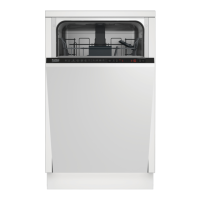
Beko DIS28122 - User Manual

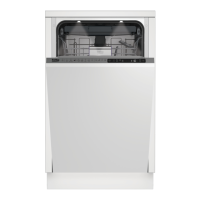
Beko DIS28122
43 pages
Print Icon
To Next Page IconTo Next Page
Loading...
www.beko.com.tr
EN
Document Number :
18 7283 0100_AA_BEKO_E545_EN/ 05-09-18.(8:20)
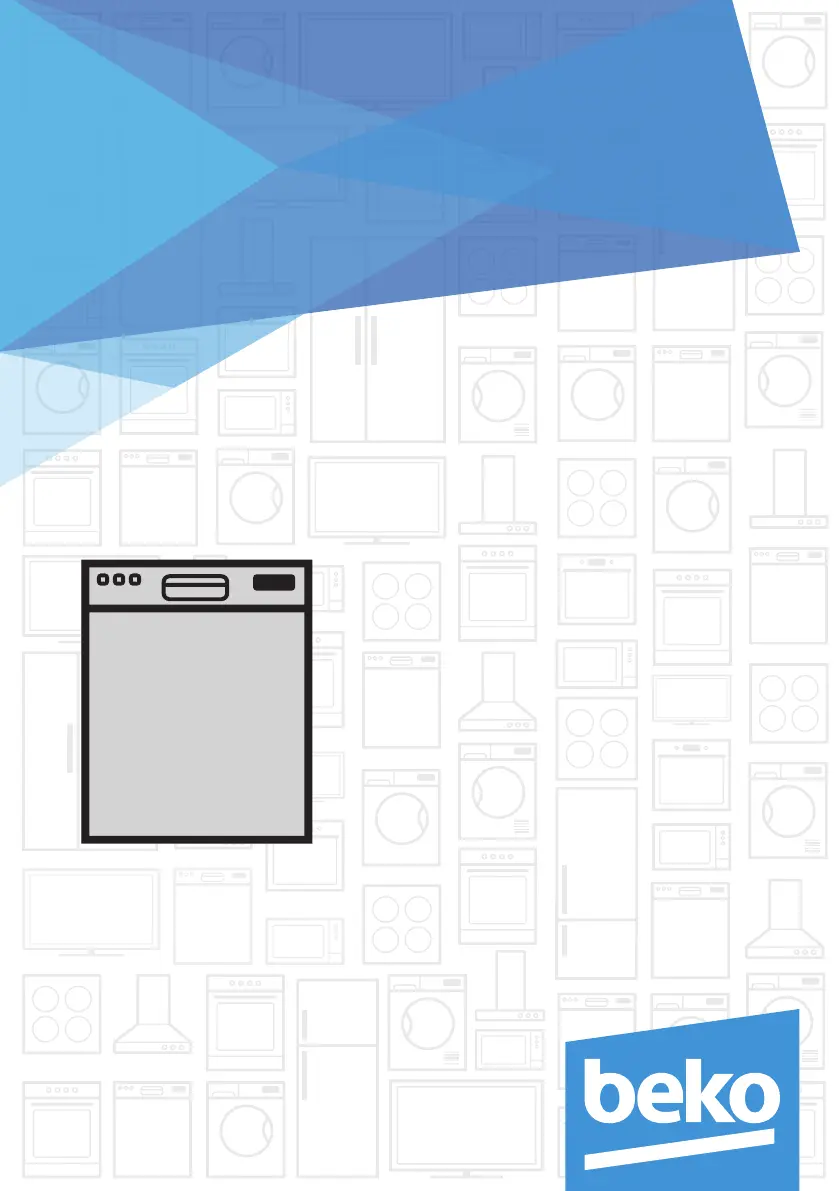
Dishwasher
User’s Manual

Table of Contents

Questions and Answers

  • L
    Lynn BarnesAug 12, 2025
    Why my Beko DIS28122 does not start?
    • R
      Roy HarrisAug 12, 2025
      If your Beko Dishwasher doesn't start, there are several potential causes. First, check that the power cable is properly plugged in. Next, inspect the fuses in your house to ensure none have blown. Also, verify that the water inlet tap is fully open. Ensure the dishwasher door is completely closed and that you've pressed the On/Off button to turn the machine on.
  • K
    Krista DavisAug 20, 2025
    What to do if detergent remains in the dispenser of my Beko DIS28122?
    • M
      Michael KellyAug 20, 2025
      If detergent is left in the dispenser of your Beko Dishwasher, ensure the dispenser is dry before adding detergent and add the detergent shortly before starting the wash cycle. Make sure dishes aren't blocking the dispenser lid from opening or preventing water from entering the machine from the impellers. If you're using powder detergent, store it in a cool, dry place, ideally in a closed container, or consider switching to tablet detergents. Check the impeller holes and clean them regularly if they are clogged with food remnants.
  • J
    joshuagutierrezAug 25, 2025
    What to do if water remains in Beko Dishwasher after cycle?
    • B
      btaylorAug 25, 2025
      If water remains in your Beko Dishwasher after the cycle, check if the filter system is clean and clear of any blockages. Also, inspect the discharge hose for any clogs or obstructions. If necessary, remove the discharge hose, clear any blockages, and reinsert it.
  • B
    bobby69Aug 27, 2025
    Why rust appears on dishes in my Beko DIS28122?
    • A
      audrey74Aug 27, 2025
      Rust, discoloration, or surface deterioration on dishes washed in your Beko Dishwasher can occur for several reasons. Salt leakage can cause deterioration, so avoid spilling salt when filling and ensure the reservoir lid is tightly closed. Run a prewash cycle to remove any spilled salt. Remove salty food remnants from dishes before loading, or prewash them if they'll sit for a while. Ensure your electrical installation is properly grounded to prevent static electricity from damaging metal surfaces. Avoid using intensive cleansers like bleach. Use metal utensils only for their intended purposes. Be aware that low-quality stainless steel cutlery is prone to corrosion and should not be washed in the dishwasher. Similarly, do not wash already corroded items in the dishwasher.
  • S
    Shannon GarciaAug 31, 2025
    Why foam forms in my Beko DIS28122 Dishwasher?
    • S
      Sara MaldonadoAug 31, 2025
      If foam is forming in your Beko Dishwasher, it might be due to dishes not being properly rinsed after hand-washing with detergent. Removing coarse soil under tap water, with a tissue paper or fork will be sufficient. Also, rinse aid may have spilled into the machine when adding it. Clean any spilled rinse aid with a tissue paper or towel. Ensure that the lid of the rinse aid reservoir is closed after adding rinse aid.
  • A
    Ashley BernardSep 4, 2025
    Why kitchen utensils are broken in my Beko Dishwasher?
    • K
      kevingrimesSep 4, 2025
      If kitchen utensils are getting broken in your Beko Dishwasher, make sure you are loading the dishes as described in the user manual and avoid overloading the baskets beyond their capacity.
  • J
    Jack NormanSep 7, 2025
    Why there is a smear on glasses from my Beko DIS28122 Dishwasher?
    • Y
      ysmithSep 7, 2025
      If a milky smear remains on glasses washed in your Beko Dishwasher, it could be due to excessive rinse aid. Try lowering the rinse aid setting and clean any spilled rinse aid when refilling. It might also be caused by corrosion due to soft water. Check your water hardness setting and measure the hardness of your supply water. If it's soft (less than 5 dH), avoid using salt. Opt for programs with higher wash temperatures (60-65°C), and consider using commercially available glass protective detergents.
  • T
    Tammy CastroNov 15, 2025
    Why Beko DIS28122 Dishwasher not cleaning dishes properly?
    • S
      Scott JacksonNov 15, 2025
      If your dishes aren't coming out clean from your Beko Dishwasher, several factors could be at play. Ensure you're loading the dishes according to the user manual's instructions. Select a program with a higher temperature and longer cycle time for heavily soiled items. Before starting the dishwasher, manually rotate the lower and upper impellers to confirm they move freely. Regularly inspect and clean the impeller holes and filter system, ensuring they're free of clogs from food remnants. Also, make sure the filter system is correctly installed. Avoid overloading the baskets, and store powder detergent in a cool, dry place, preferably in a closed container, or switch to tablet detergents. Adjust the amount of detergent based on how dirty your dishes are, or use tablet detergents for better ...

Beko DIS28122 Specifications

General IconGeneral
Appliance placementFully built-in
Drying systemStatic
Noise emission classC
Noise Level46 dB
Number of washing programs8
Delayed start timerYes
Delay start (max)24 h
AquaStop functionYes
Adjustable feetYes
Upper basket adjustable heightYes
Salt indicatorYes
Rinse aid indicatorYes
Energy Efficiency ClassE
Power consumption (off)0.5 W
Connected load2100 W
AC input voltage220-240 V
AC input frequency50 Hz
Annual Energy Consumption237 kWh
Drying ClassA
Half Load OptionYes
Child LockNo
Number of Place Settings11 place settings
Washing programsEco, Intensive, Glass
Depth55 cm
Height818 mm

Related product manuals