6
UNLOCKED
LOCKED
FIGURE 4FIGURE 4
STEP 2
ASSEMBLE ROLLER HINGES
TO TABLE BED
NEVER disassemble the Roller Hinge Pivot Pin.
ALWAYS insert the 3-Hole Roller Hinge (with the Pivot Pin on top
and facing out) in the same direction as the arrow label located
inside of the Cam Lock for proper assembly.
WARNING
!
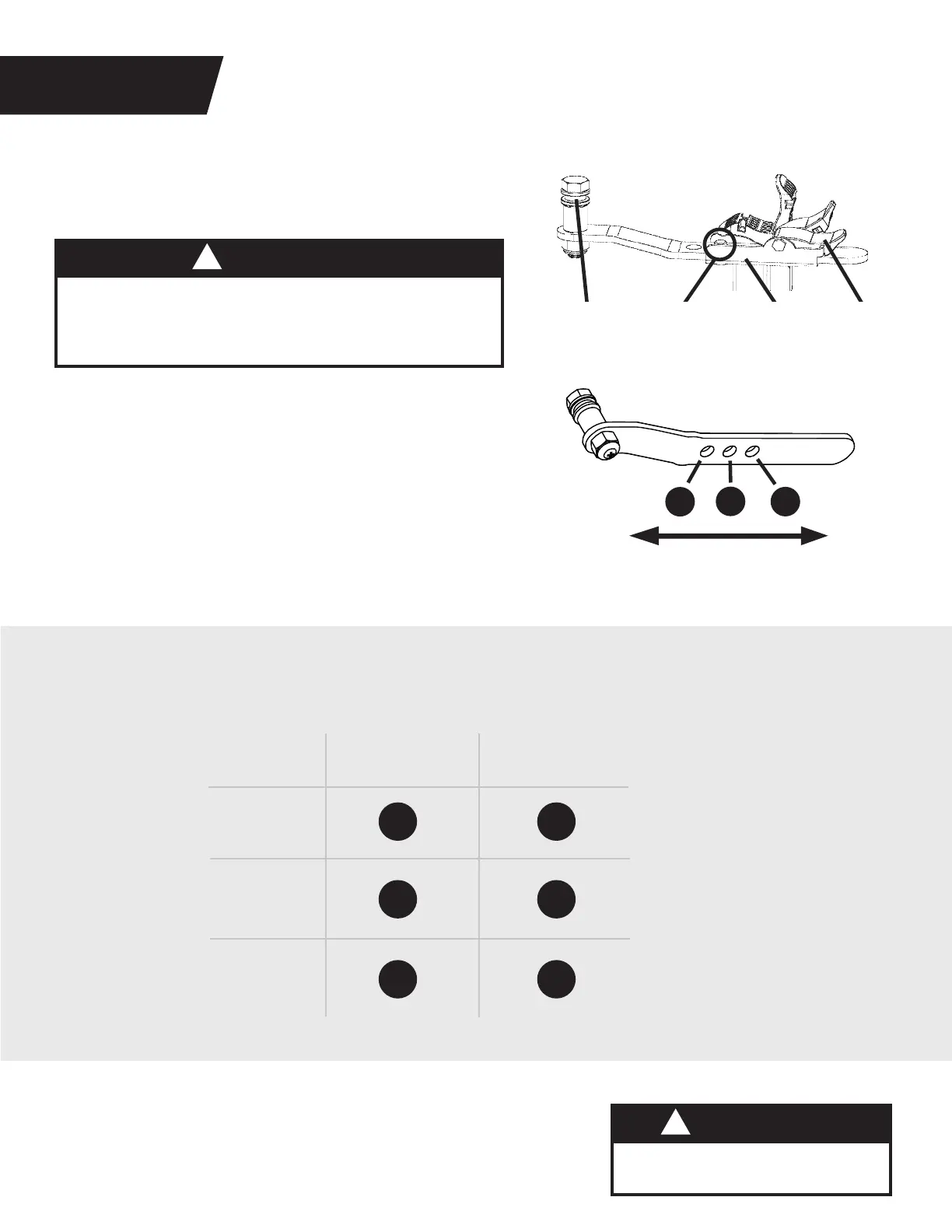
Figure 4: Familiarize yourself with the 3-Hole Roller
Hinge and Cam Lock terms.
Your Roller Hinge setting and balance may vary depending on your
bodyweight distribution. Refer to User Guide for troubleshooting.
Do not use Setting A for
users over 220 lb (100 kg).
WARNING
!
A
B
C
Preferred Maximum
Inversion Angle
Your
Body Weight
80-120 lb
(36-54 kg)
120-220 lb
(54-100 kg)
220-300 lb
(100-136 kg)
Partial Inversion
(0-60°)
Full Inversion
(0-90°)
A
A
B
B
C
C
Recommended
Hole Selection
More
Responsive
Less
Responsive
Figure 5: The Roller Hinges control the
responsiveness or rate of rotation of the inversion
table. There are three holes; the hole selection
depends both on your body weight and your
preferred angle of inversion. The “A” setting is the
top hole closest to the pivot pin, “B” is the middle
hole, and “C” is the bottom hole. Determine your
recommended hole selection using the chart below.
Bracket Pin
Cam Lock
Pivot Pin
Bracket
Full (0-90°): A more responsive
setting that will allow users to
rotate to any angle and lock out in
full inversion.
Recommended for beginners
Partial (0-60°): A less responsive
setting for users who prefer partial
inversion without the option of
full inversion.
Figure 4
Figure 5


 To Next Page