CLEANING SOLUTIONS
How to use them:
Each manufacturer includes directions for using their chemistry on associated
Cleaning solutions have to be degassed to work effectively with ultrasonics. This is a
process whereby disolved gases are expelled from the solutions. The ultrasonics will
perform this task during the first several minutes of operation after the tank has been
filled. You may note a different sound as the cleaner drives out the gas and begins to
function efficiently. This process can be accelerated by filling the tank with warm water
on startup. The cleaner and generally the solution will perform better
at this slightly elevated temperature.
Cleaning solutions should be changed regularly as they can lose their effectiveness over
time. Dirty solutions will re-deposit soils on the parts and can coat the tank bottom
limiting ultrasonic activity.
How to choose them
The Ultrasonic Cleaner is designed to provide the most effective cleaning when used
with Branson Cleaning Concentrates, which have been designed specifically for the type
of cleaning you need.
What to look for
There are two basic types of cleaning solutions: aqueous, such as soap and water, and
solvents such as mineral spirits. Your Ultrasonic Cleaner is designed to operate only with
aqueous solutions. Solvents or flammable solutions should never be used in the
Ultrasonic Cleaner.
BRANSONIC CLEANING LIQUIDS
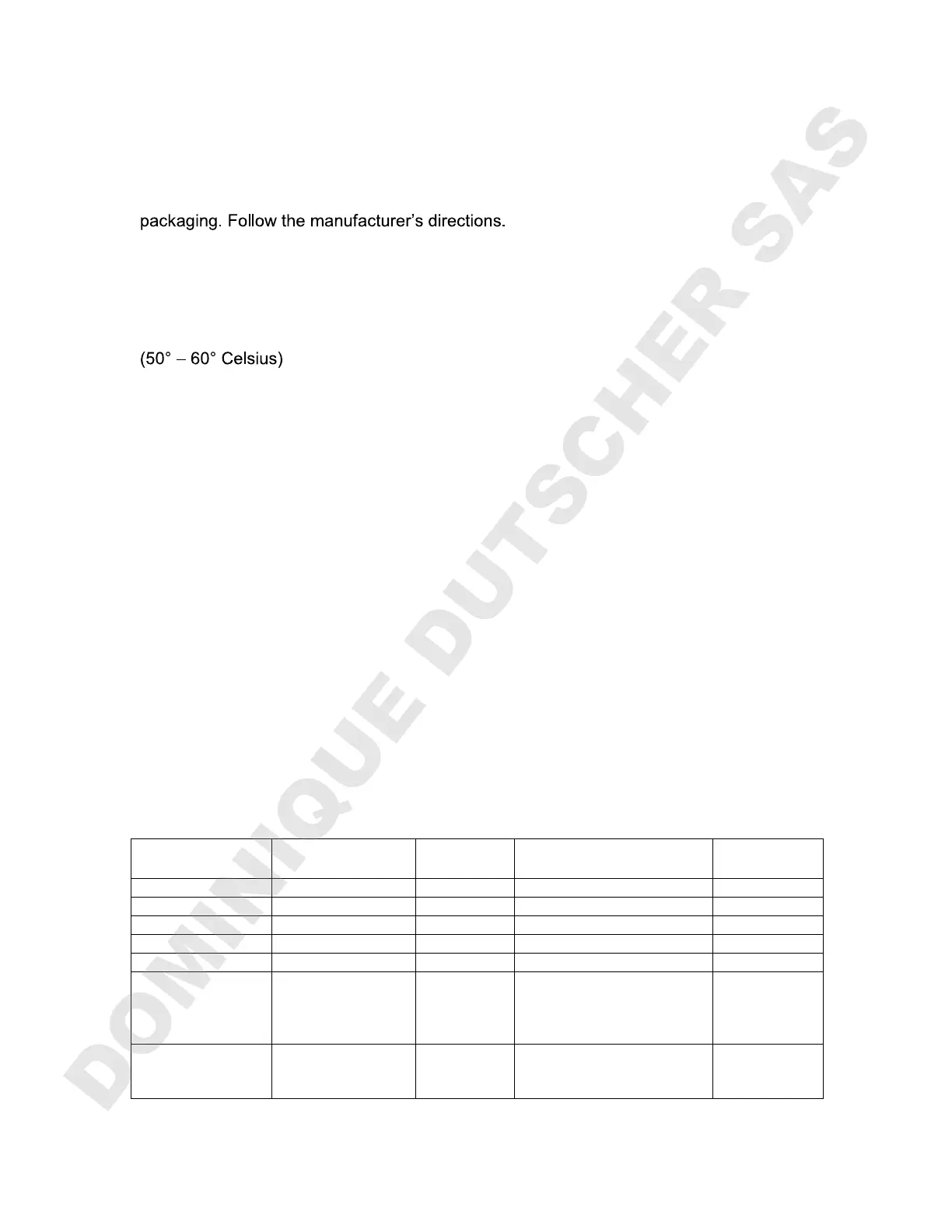
The BRANSONIC 200 Ultrasonic Cleaner achieves optimum cleaning results on a large
variety of parts and soils if used in conjunction with BRANSONIC Cleaning Liquids.
Cleaning liquid
IS OR GP JC
Parts small tools eyeglasses, hearing aids,
combs, eyebrushes,
dentures, drawing pens,
jewelry,
rings,
watchbands,
Soil Carbon, cutting
oils, grease, metal
Rust, metal
oxides
Dust, fingerprints, general
soils, light oils, blood,
DOMINIQUE DUTSCHER SAS



 To Previous Page