EasyManua.ls Logo

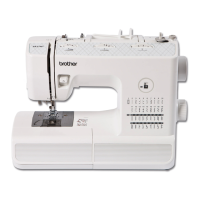
Brother XR37NT - User Manual

Brother XR37NT
53 pages
Print Icon
To Next Page IconTo Next Page
Loading...
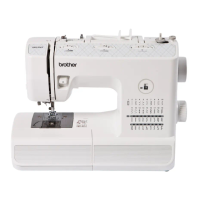
Brother XR37NT Sewing Machine
View & Buy Here:
https://www.thesewingstudio.co.uk/brother-xr37nt-sewing-machine.ir

Table of Contents

Questions and Answers

Summary

Important Safety Instructions

General Safety Precautions

Essential safety guidelines to prevent injury and machine damage during operation and handling.

User Safety Guidelines (Non-CENELEC)

Safety instructions for users in countries outside CENELEC, emphasizing supervision for children.

User Safety Guidelines (CENELEC)

Safety instructions for users in CENELEC countries, detailing age and capability requirements for operation.

1. Knowing Your Sewing Machine

Accessories

Overview of included and optional accessories for sewing tasks.

The Main Parts

Identification and function of the primary components of the sewing machine.

Using Your Sewing Machine

Instructions for connecting and operating basic functions like power and foot control.

The Controls

Explanation of the various dials and levers used to control stitch selection and settings.

Threading the Machine

Step-by-step guide for winding the bobbin and threading the upper and lower threads.

Fabric, Thread, and Needle Combinations

Guidance on selecting appropriate fabric, thread, and needle types for optimal sewing.

2. Sewing Basics

Please Read Before Sewing

Essential precautions and checks before commencing sewing operations.

Starting Sewing

Instructions for initiating the sewing process, including machine setup and fabric placement.

Trial Sewing

Procedure for testing thread tension and stitch settings on a scrap piece of fabric.

Changing the Sewing Direction

Method for altering the sewing direction mid-stitch, using the needle as a pivot.

Sewing Thick Fabrics

Techniques for sewing through thicker materials, including adjusting the presser foot height.

Sewing Thin Fabrics

Tips for sewing thin or slippery fabrics, using paper or stabilizer for better feed.

Sewing Stretch Fabrics

Method for sewing stretch materials, recommending basting before stitching.

Stitching Cylindrical Pieces

Instructions for sewing narrow or hard-to-reach areas, often by removing the flat bed attachment.

Sewing with a Twin Needle (Option)

Guide for using a twin needle to create parallel stitches and decorative effects.

3. Built-In Stitches

Straight Stitching

Using the straight stitch for plain seams, top stitching, and reinforcing stitch ends.

Satin Stitch

Creating satin stitches for buttonholes and decorative purposes using zigzag stitch settings.

Blind Hem Stitching

Finishing fabric edges like hems without visible stitching on non-stretch and stretch fabrics.

Zigzag Stitching

Instructions for using the zigzag stitch for various sewing applications.

Shell Tuck Stitching

Using the shell tuck stitch for creating a picot or lace-like edge on lightweight fabric.

Elastic Stitching

Applications of the elastic stitch for mending, sewing elastic, and joining fabric.

Joining Fabric with Elastic Stitch

Using the elastic stitch to join fabric pieces, especially effective with knitted materials.

Double Action Stitching

Techniques for using double action and bridging stitches for decorative seams.

Fagoting Stitching

Decorative stitches for joining fabric with a visible space, often used with thicker thread.

Overedge Stitching

Using overedge stitches to join seams and finish edges simultaneously, suitable for stretch materials.

Feather Stitching

Decorative feather stitching for top stitching, embroidery, and hemming.

Triple Zigzag Stretch Stitching

Using triple zigzag stitch for heavyweight stretch fabrics and decorative top stitching.

Decorative Stitching Applications

Using various decorative stitches for top stitching and smocking.

4. Sewing Buttonholes and Buttons

Making a Buttonhole (1-Step Automatic)

Guide to creating automatic 1-step buttonholes using the specialized foot and lever.

Buttonhole Guide Plate Adjustment

How to adjust the button guide plate for precise buttonhole length based on button size.

Making a Buttonhole (Steps 4-9)

Detailed steps for sewing buttonholes, including positioning, bar tacks, and stopping.

Adjusting Buttonholes

How to adjust stitch length and fine-tune buttonhole appearance for consistent results.

Buttonholes on Stretch Fabrics

Technique for sewing buttonholes on stretch fabrics using a gimp thread for stability.

Sewing Buttons

Instructions for sewing buttons using the button sewing foot and zigzag stitch.

5. Using Attachments and Applications

Zipper Insertion

Guide to sewing zippers using the zipper foot, allowing positioning to the left or right of the needle.

Gathering Fabric

Technique for gathering fabric using loose upper thread tension and straight stitches.

Darning Fabric

Instructions for darning fabric by alternating sewing direction and using feed dog position switch.

Appliqués

Creating appliqués by basting cut designs and sewing around the edges with a zigzag stitch.

Using the Blind Stitch Foot

Instructions for using the blind stitch foot for blind hem stitching and edge stitching.

6. Appendix

Maintenance

Guidelines for machine maintenance, including cleaning, oiling restrictions, and storage precautions.

Troubleshooting

Solutions for common sewing machine problems, covering operation, thread issues, stitches, and noises.

Summary

Important Safety Instructions

General Safety Precautions

Essential safety guidelines to prevent injury and machine damage during operation and handling.

User Safety Guidelines (Non-CENELEC)

Safety instructions for users in countries outside CENELEC, emphasizing supervision for children.

User Safety Guidelines (CENELEC)

Safety instructions for users in CENELEC countries, detailing age and capability requirements for operation.

1. Knowing Your Sewing Machine

Accessories

Overview of included and optional accessories for sewing tasks.

The Main Parts

Identification and function of the primary components of the sewing machine.

Using Your Sewing Machine

Instructions for connecting and operating basic functions like power and foot control.

The Controls

Explanation of the various dials and levers used to control stitch selection and settings.

Threading the Machine

Step-by-step guide for winding the bobbin and threading the upper and lower threads.

Fabric, Thread, and Needle Combinations

Guidance on selecting appropriate fabric, thread, and needle types for optimal sewing.

2. Sewing Basics

Please Read Before Sewing

Essential precautions and checks before commencing sewing operations.

Starting Sewing

Instructions for initiating the sewing process, including machine setup and fabric placement.

Trial Sewing

Procedure for testing thread tension and stitch settings on a scrap piece of fabric.

Changing the Sewing Direction

Method for altering the sewing direction mid-stitch, using the needle as a pivot.

Sewing Thick Fabrics

Techniques for sewing through thicker materials, including adjusting the presser foot height.

Sewing Thin Fabrics

Tips for sewing thin or slippery fabrics, using paper or stabilizer for better feed.

Sewing Stretch Fabrics

Method for sewing stretch materials, recommending basting before stitching.

Stitching Cylindrical Pieces

Instructions for sewing narrow or hard-to-reach areas, often by removing the flat bed attachment.

Sewing with a Twin Needle (Option)

Guide for using a twin needle to create parallel stitches and decorative effects.

3. Built-In Stitches

Straight Stitching

Using the straight stitch for plain seams, top stitching, and reinforcing stitch ends.

Satin Stitch

Creating satin stitches for buttonholes and decorative purposes using zigzag stitch settings.

Blind Hem Stitching

Finishing fabric edges like hems without visible stitching on non-stretch and stretch fabrics.

Zigzag Stitching

Instructions for using the zigzag stitch for various sewing applications.

Shell Tuck Stitching

Using the shell tuck stitch for creating a picot or lace-like edge on lightweight fabric.

Elastic Stitching

Applications of the elastic stitch for mending, sewing elastic, and joining fabric.

Joining Fabric with Elastic Stitch

Using the elastic stitch to join fabric pieces, especially effective with knitted materials.

Double Action Stitching

Techniques for using double action and bridging stitches for decorative seams.

Fagoting Stitching

Decorative stitches for joining fabric with a visible space, often used with thicker thread.

Overedge Stitching

Using overedge stitches to join seams and finish edges simultaneously, suitable for stretch materials.

Feather Stitching

Decorative feather stitching for top stitching, embroidery, and hemming.

Triple Zigzag Stretch Stitching

Using triple zigzag stitch for heavyweight stretch fabrics and decorative top stitching.

Decorative Stitching Applications

Using various decorative stitches for top stitching and smocking.

4. Sewing Buttonholes and Buttons

Making a Buttonhole (1-Step Automatic)

Guide to creating automatic 1-step buttonholes using the specialized foot and lever.

Buttonhole Guide Plate Adjustment

How to adjust the button guide plate for precise buttonhole length based on button size.

Making a Buttonhole (Steps 4-9)

Detailed steps for sewing buttonholes, including positioning, bar tacks, and stopping.

Adjusting Buttonholes

How to adjust stitch length and fine-tune buttonhole appearance for consistent results.

Buttonholes on Stretch Fabrics

Technique for sewing buttonholes on stretch fabrics using a gimp thread for stability.

Sewing Buttons

Instructions for sewing buttons using the button sewing foot and zigzag stitch.

5. Using Attachments and Applications

Zipper Insertion

Guide to sewing zippers using the zipper foot, allowing positioning to the left or right of the needle.

Gathering Fabric

Technique for gathering fabric using loose upper thread tension and straight stitches.

Darning Fabric

Instructions for darning fabric by alternating sewing direction and using feed dog position switch.

Appliqués

Creating appliqués by basting cut designs and sewing around the edges with a zigzag stitch.

Using the Blind Stitch Foot

Instructions for using the blind stitch foot for blind hem stitching and edge stitching.

6. Appendix

Maintenance

Guidelines for machine maintenance, including cleaning, oiling restrictions, and storage precautions.

Troubleshooting

Solutions for common sewing machine problems, covering operation, thread issues, stitches, and noises.

Brother XR37NT Specifications

General IconGeneral
TypeMechanical
Stitch Options37
Buttonhole Styles1
Max Stitch Width5mm
Max Stitch Length4mm
DisplayNo
Foot PedalYes
Bobbin TypeDrop-in
Needle ThreaderYes
Free ArmYes

Related product manuals